
Cannabis Edibles UK – Product Information, Types and Safety Guide
Introduction to Cannabis Edibles in the UK
Cannabis edibles are food products associated with cannabis-derived ingredients. Unlike smoked or inhaled cannabis products, edibles are consumed orally. They may be discussed in different forms, including gummies, chocolates, baked goods, sweets, and infused food products.
The term “edibles” is commonly used in cannabis-related discussions to describe products containing cannabinoids such as THC or CBD. However, these compounds have different properties, effects, and legal classifications.
In the United Kingdom, cannabis edibles require particular legal and safety consideration. THC-containing products are generally controlled under UK drug legislation, subject to limited legal exceptions. This guide provides educational information about edible terminology, product categories, ingredients, potential effects, and UK regulations.
Understanding Cannabis Edibles
Cannabis edibles are products designed to be consumed orally and may contain cannabis-derived compounds. Their composition depends on the ingredients and manufacturing processes used.
Unlike inhaled cannabis, orally consumed THC is processed through the digestive system and liver. This means its effects can take longer to become noticeable and may last longer.
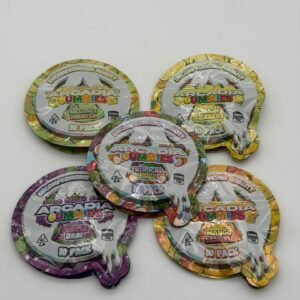
Different edible products can have different cannabinoid concentrations and ingredient profiles. Therefore, product names and packaging should not be treated as reliable evidence of their contents.
Common Types of Edibles
Cannabis-related edible terminology covers several product categories.
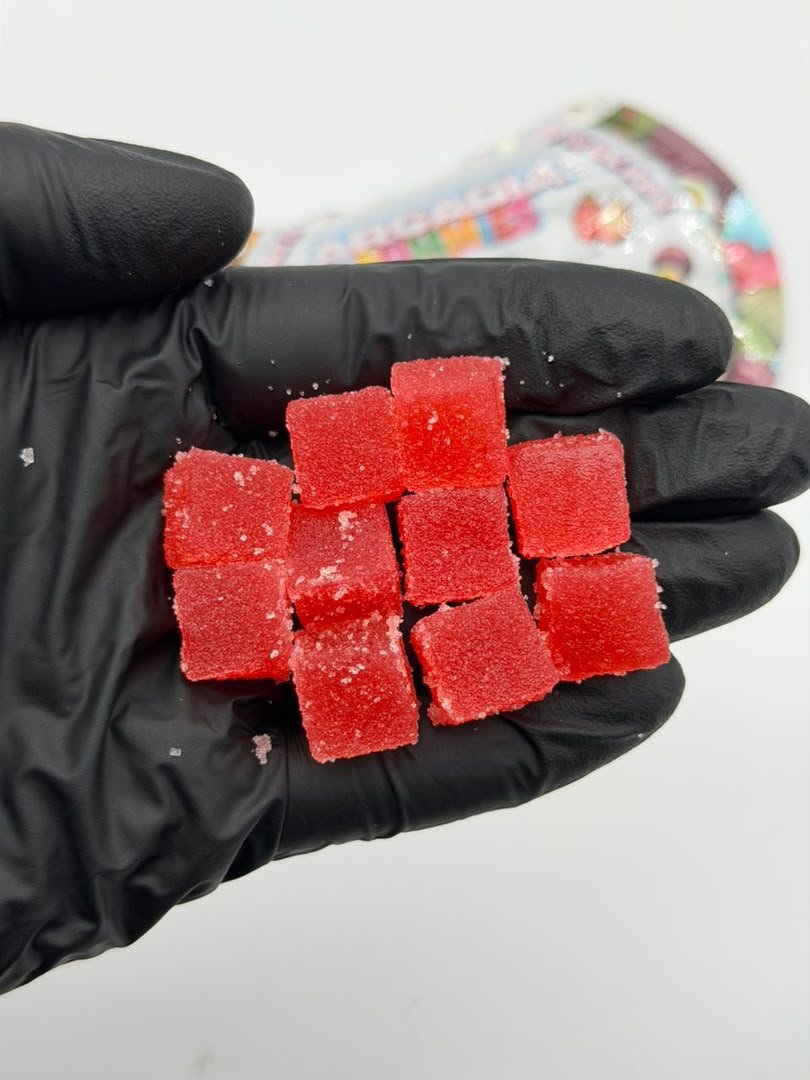
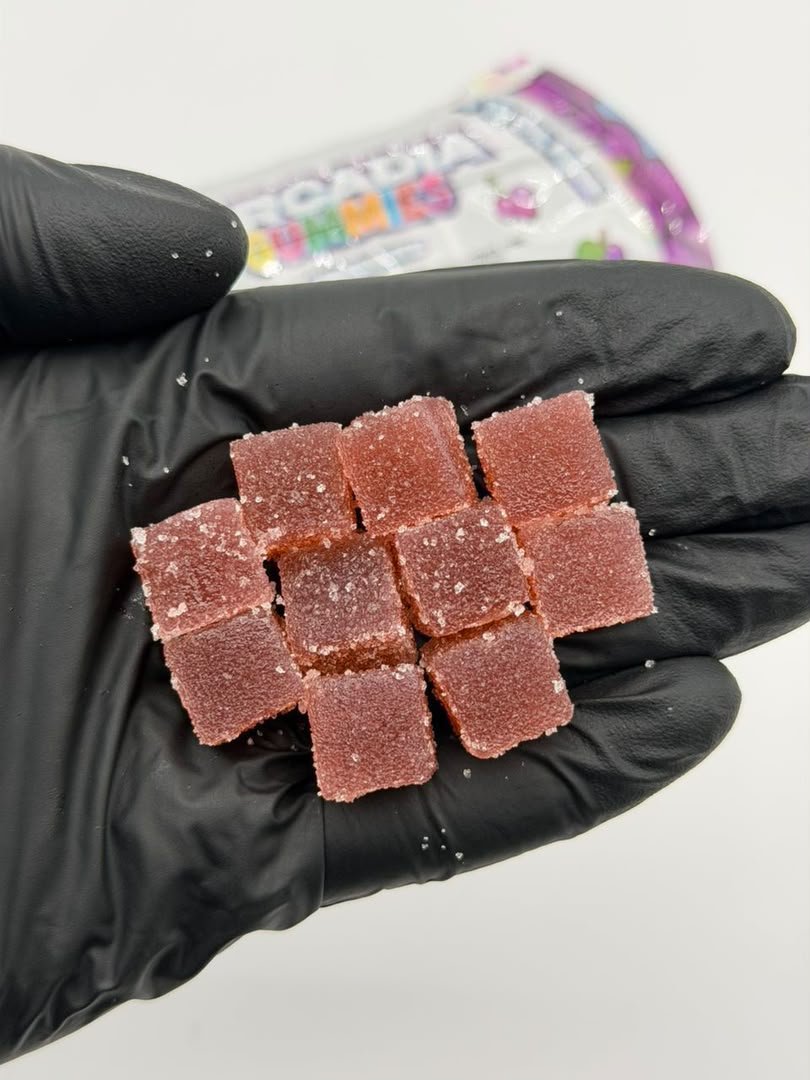
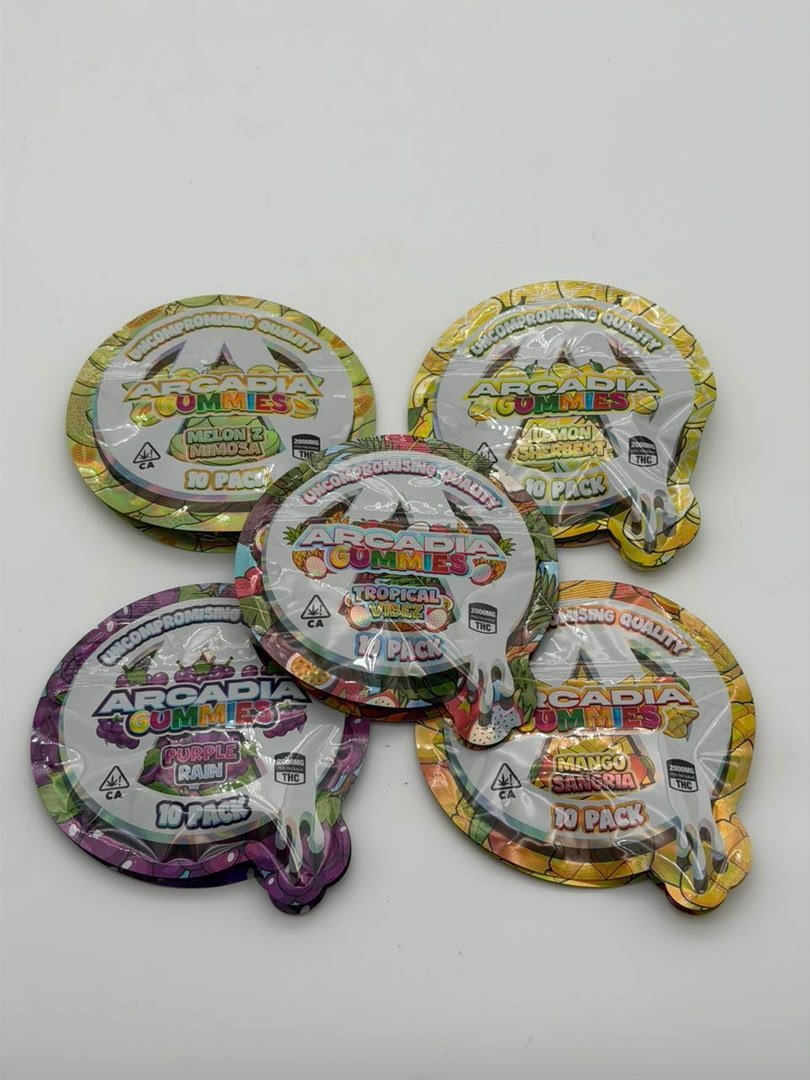
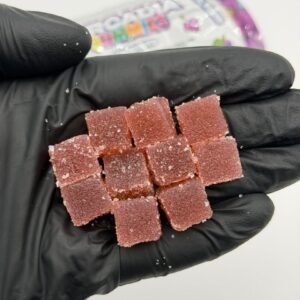
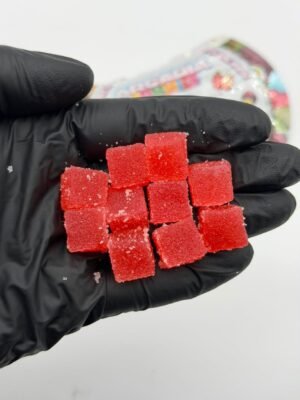
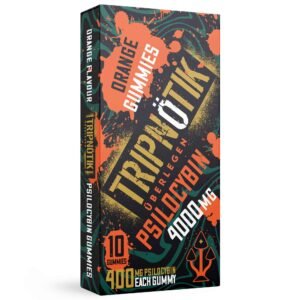
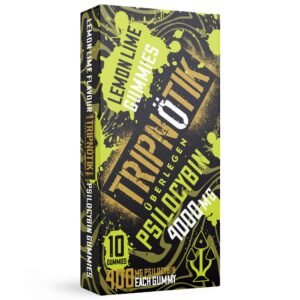
Gummies: These are soft confectionery products commonly discussed in cannabis edible markets. They may be described using fruit-inspired flavours and different shapes.
Chocolate products: Cannabis-related chocolate products combine confectionery terminology with cannabis-derived ingredients. Their actual composition requires reliable ingredient information.
Baked goods: Brownies, cookies, and other baked products are frequently mentioned in discussions about cannabis edibles.
Hard sweets and candies: These are confectionery-style products that may be discussed in relation to infused edible formulations.
Beverages: Cannabis-related drinks may contain different cannabinoid formulations, depending on the product and applicable regulations.
These categories describe general product terminology. They do not establish that a particular item contains THC or is legally available in the UK.
THC and CBD in Edible Products
THC and CBD are two different cannabinoids found in cannabis.
THC, or tetrahydrocannabinol, is psychoactive and can affect perception, mood, memory, and coordination. CBD, or cannabidiol, is not generally considered intoxicating in the same way as THC.
Their legal treatment also differs. THC is generally controlled under UK drug legislation, subject to limited exceptions. CBD products may be subject to food, novel-food, product-safety, and other regulatory requirements depending on their formulation and intended use.
A product labelled as a cannabis edible should not automatically be assumed to contain either cannabinoid. Its actual composition must be established through reliable documentation.
Ingredients and Product Labelling
Understanding ingredients is an important part of researching edible products. Food formulations can contain sweeteners, flavourings, colourings, oils, and other ingredients, depending on the product category.
Where cannabis-derived ingredients are involved, additional information may be necessary to understand the cannabinoid composition and applicable regulatory status.
Useful product information includes:
- A complete ingredient declaration.
- Manufacturer and responsible business details.
- Batch or lot identification.
- Accurate cannabinoid information where applicable.
- Appropriate allergen information.
- Relevant food-safety and regulatory details.
Unclear labels, missing ingredient information, and unsupported claims about cannabinoid content should be treated cautiously.
How Edibles Differ from Inhaled Cannabis
One important difference between edibles and inhaled cannabis is how the body processes them.
When cannabis is inhaled, cannabinoids enter the bloodstream through the lungs. When THC is consumed orally, it passes through the digestive system and is metabolised by the liver.
As a result, oral THC can have a delayed onset and a longer-lasting effect. This difference is important when understanding cannabis-related health information.
The effects can vary considerably between individuals and products. Unverified cannabinoid concentrations make it especially difficult to predict the contents of an edible.
Health and Safety Considerations
Cannabis edibles can present particular risks because their effects may not be immediately noticeable. THC can affect coordination, attention, perception, memory, and reaction time.
Accidental consumption is another important concern, particularly when edible products resemble ordinary sweets or chocolates. Products should always be kept securely away from children and pets.
Other considerations include:
- Avoiding unidentified or untested products.
- Checking ingredient and allergen information.
- Keeping cannabis-related products clearly separated from ordinary food.
- Avoiding driving after exposure to intoxicating substances.
- Seeking medical assistance if accidental consumption or a serious unexpected reaction occurs.
Reliable labelling and responsible storage are important elements of product safety.
Cannabis Edibles and UK Legal Considerations
In the United Kingdom, THC is generally controlled under the Misuse of Drugs Act 1971, subject to limited legal exceptions. Cannabis edibles containing controlled THC are not automatically lawful because they are sold or advertised online.
CBD products are treated differently, but they may still need to comply with relevant food-safety and regulatory requirements. CBD food products can fall under the UK’s novel-food framework, depending on their composition and circumstances.
The legal position depends on the actual ingredients, product classification, and applicable regulations. Readers should consult current official guidance from UK authorities rather than relying on online product descriptions.
Frequently Asked Questions
What are cannabis edibles?
Cannabis edibles are food products associated with cannabis-derived compounds. They may include confectionery, chocolates, baked goods, and beverages.
What is the difference between THC and CBD edibles?
THC is psychoactive and can cause intoxication, while CBD is not generally intoxicating in the same way. Their legal requirements also differ.
Do edibles take effect immediately?
No. Orally consumed cannabis compounds can take longer to produce noticeable effects than inhaled cannabis. Effects may also last longer.
Are cannabis edibles legal in the UK?
THC-containing cannabis edibles are generally controlled under UK law, subject to limited legal exceptions. CBD products have separate regulatory requirements.
What should consumers check on edible product labels?
Important information includes ingredients, allergens, manufacturer details, batch identification, and reliable cannabinoid documentation where applicable.
Why should edibles be kept away from children?
Some edible products resemble ordinary sweets and chocolates. Accidental consumption can cause serious effects, especially in children.
Conclusion
Cannabis edibles are an important category in cannabis-related product discussions, covering gummies, chocolates, baked goods, sweets, and beverages. Understanding their ingredients, cannabinoid terminology, oral processing, and potential health effects helps readers interpret product information more accurately.
For UK-focused educational content, it is particularly important to distinguish THC-containing products from CBD products and ordinary confectionery. Accurate labelling, responsible storage, verified information, and awareness of UK legislation should remain central to any discussion of cannabis edibles.
| Amount | 4 packs, 8 packs, 16 packs |
|---|
Be the first to review “Buy Edibles online in United Kingdom”
Related products

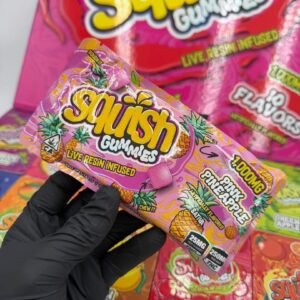
mushrooms Gummies
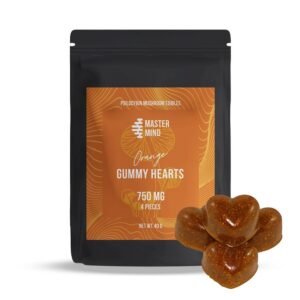
mushrooms Gummies
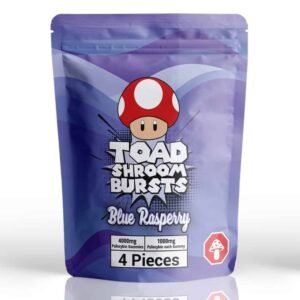
mushrooms Gummies
mushrooms Gummies
mushrooms Gummies
mushrooms Gummies
mushrooms Gummies
mushrooms Gummies
Reviews
There are no reviews yet.