
Uncategorized
THC Edibles: Myths, Facts, and Safety Tips – Everything You Should Know
Nov
Introduction
THC edibles have attracted considerable attention as cannabis products become more widely discussed and available in certain markets. From gummies and chocolates to brownies and infused beverages, these products offer an alternative to smoking or vaping cannabis.
Despite their popularity, many misconceptions surround THC edibles. Some people believe they are completely harmless because they do not produce smoke, while others assume that all edible products have the same effects.
Understanding the difference between myths and facts is important for anyone researching cannabis.
In this guide, we’ll explore common THC edible myths, explain the facts behind them, and discuss important safety tips that adults should understand.
1. Myth: THC Edibles Work Immediately
Fact: THC edibles generally take longer to produce noticeable effects than smoked cannabis.
When someone consumes a THC edible, the product passes through the digestive system before THC is absorbed into the bloodstream.
Effects commonly begin within 30 minutes to 2 hours, although some products may take longer.
This delayed onset is one of the most important characteristics of edible cannabis.
Understanding this difference helps explain why consuming additional amounts too soon can result in accidental overconsumption.
2. Myth: THC Edibles Are Completely Safe Because They Are Not Smoked
Fact: Avoiding smoke does not eliminate the health risks associated with THC.
THC edibles do not expose the lungs to cannabis smoke, but they still introduce a psychoactive compound into the body.
Potential unwanted effects include:
- Anxiety.
- Panic.
- Dizziness.
- Confusion.
- Increased heart rate.
- Impaired coordination.
- Short-term memory difficulties.
Excessive THC consumption can also produce significant distress and may require medical attention.
3. Myth: All THC Gummies Have the Same Strength
Fact: THC gummies can contain very different amounts of THC.
Some products contain a few milligrams per serving, while others contain considerably more.
Differences in potency make it important to understand product labels.
Always distinguish between the THC content of an individual serving and the total THC content of the entire package.
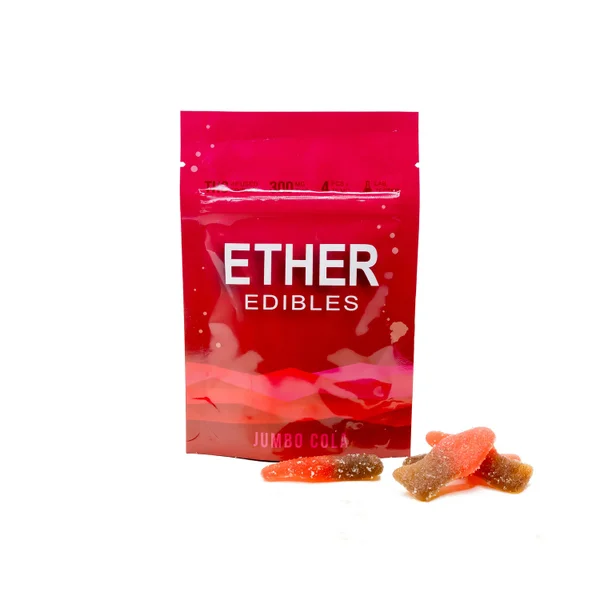
A colorful package or familiar candy appearance does not indicate how strong a product is.
4. Myth: THC Edibles Affect Everyone the Same Way
Fact: Individual responses to THC vary considerably.
Two people consuming the same edible may experience different effects.
Several factors can influence the experience:
- Individual metabolism.
- Cannabis tolerance.
- THC sensitivity.
- Food intake.
- Product formulation.
- General health.
- Medication interactions.
This is why another person’s experience should not be treated as a reliable prediction of your own.
5. Myth: Eating More THC Edibles Always Produces a Better Experience
Fact: Higher THC exposure can increase the likelihood of unwanted effects.
Consuming excessive amounts may cause anxiety, paranoia, dizziness, nausea, confusion, and excessive sedation.
THC potency should never be confused with product quality or a better experience.
Understanding the concentration of THC is more important than choosing the strongest product available.
6. Myth: THC Edibles Cannot Cause Dependence
Fact: Cannabis use can lead to cannabis use disorder in some individuals.
Repeated THC exposure can contribute to dependence, particularly with frequent or problematic use.
Possible warning signs include:
- Difficulty controlling cannabis consumption.
- Strong cravings.
- Continuing use despite negative consequences.
- Neglecting work, education, or responsibilities.
- Needing more cannabis to achieve similar effects.
Anyone concerned about their cannabis use should consider speaking with a qualified healthcare professional.
7. Myth: THC Edibles Are Just Ordinary Candy
Fact: THC-infused gummies and chocolates are psychoactive cannabis products.
Although they may resemble ordinary sweets, their effects and risks are very different.
This misunderstanding can be particularly dangerous for children and pets.
THC products should always remain in their original packaging and be stored in secure, locked locations.
8. Myth: THC Edibles Only Affect the Body
Fact: THC can affect both physical and psychological functioning.
Possible physical effects include increased heart rate, dizziness, drowsiness, and impaired coordination.
Psychological effects may include changes in mood, perception, concentration, memory, and anxiety levels.
The intensity of these effects varies between individuals.
9. Myth: THC Edibles Cannot Cause an Overdose
Fact: Excessive THC consumption can cause acute cannabis intoxication.
Although fatal poisoning from cannabis alone is uncommon, consuming too much THC can cause serious symptoms and sometimes requires emergency medical attention.
Signs of excessive consumption may include:
- Severe anxiety or panic.
- Confusion.
- Extreme drowsiness.
- Vomiting.
- Increased heart rate.
- Paranoia.
- Loss of coordination.
If someone experiences chest pain, difficulty breathing, seizures, or loss of consciousness, seek emergency medical assistance.
Children who accidentally consume THC products require prompt professional medical assessment.
10. Myth: THC Edibles Are Legal Everywhere
Fact: Cannabis laws differ considerably between countries and regions.
Some jurisdictions permit certain cannabis products under specific regulations, while others prohibit possession, distribution, or consumption.
Legal status may also depend on THC concentration, product type, age restrictions, and licensing requirements.
Always check applicable local laws before purchasing or possessing THC products.
Important Safety Tips for THC Edibles
Understanding the myths is only the beginning. Responsible cannabis education also involves recognizing important safety practices.
1. Read Product Labels
Check THC content per serving and total THC per package. Understand the ingredients and any available laboratory testing information.
2. Understand Delayed Effects
THC edibles do not work immediately. Avoid consuming additional amounts simply because effects have not appeared.
3. Avoid Mixing Substances
Combining THC with alcohol or other intoxicating substances can increase impairment and unwanted effects.
4. Never Drive While Impaired
THC can affect attention, judgment, coordination, and reaction time. Never operate a vehicle or machinery while impaired.
5. Store Products Securely
Keep THC gummies, chocolates, and other edibles in their original child-resistant packaging and in a locked location.
6. Understand Individual Health Risks
THC may be particularly risky for adolescents, pregnant or breastfeeding individuals, and people with certain mental health or cardiovascular conditions.
7. Seek Medical Help When Necessary
Severe symptoms should never be ignored. Contact emergency medical services when someone experiences serious or potentially life-threatening reactions.
How Can Consumers Identify Reliable THC Edible Products?
Where cannabis products are legally available, consumers should pay attention to product transparency and quality information.
Important considerations include:
- Clear THC concentration information.
- Accurate serving and package labeling.
- Ingredient transparency.
- Manufacturing information.
- Independent laboratory testing where available.
- Appropriate safety warnings.
- Secure packaging.
Products with unclear ingredients, misleading potency claims, or missing safety information should be approached with caution.
Conclusion
THC edibles are surrounded by numerous myths and misconceptions. While they offer an alternative to smoking cannabis, they are not completely harmless.
Understanding delayed onset, THC potency, individual sensitivity, possible dependence, and accidental poisoning risks is essential.
The biggest takeaway is that cannabis education should be based on accurate information rather than assumptions or personal experiences.
By understanding the facts and recognizing potential risks, readers can make more informed decisions about THC edibles and their effects.
Frequently Asked Questions (FAQs)
1. Are THC edibles safer than smoking cannabis?
They avoid exposure to smoke, but they still carry THC-related risks, including impairment and accidental overconsumption.
2. Can THC edibles affect mental health?
Yes. THC may cause anxiety, paranoia, confusion, and other psychological effects. It may also worsen certain underlying mental health conditions.
3. Do THC edibles take longer to work than smoking cannabis?
Yes. Edibles are absorbed through digestion and generally have a slower onset than inhaled cannabis.
4. Can THC gummies cause addiction?
Repeated cannabis use can lead to cannabis use disorder in some individuals.
5. Are THC edibles dangerous for children?
Yes. Accidental ingestion can cause serious poisoning. THC products must always be stored securely away from children.
6. Can THC edibles cause anxiety?
Yes. Anxiety and panic are possible unwanted effects, particularly following excessive THC consumption.
7. How long do THC edible effects last?
Effects commonly last around 4–12 hours, although duration varies and lingering effects may continue beyond that period.
8. Are THC edibles legal in every country?
No. Laws vary between jurisdictions, so local regulations should always be checked.
