
Uncategorized
THC Edibles vs. CBD Edibles: Understanding the DifferenceIntroduction
Nov
Cannabis products come in different forms, strengths, and formulations. Among the most commonly discussed options are THC edibles and CBD edibles.
Although both products are derived from cannabis or hemp plants, they contain different primary cannabinoids and can produce very different effects.
THC, short for tetrahydrocannabinol, is the main psychoactive compound in cannabis. CBD, or cannabidiol, is another naturally occurring cannabinoid that does not typically produce the intoxicating effects associated with THC.
From gummies and chocolates to infused beverages, both types of edibles have attracted interest among adult consumers.
But what exactly separates THC edibles from CBD edibles? How do they affect the body, and what should consumers know before considering either product?
In this guide, we’ll explain their differences, potential effects, health considerations, and important safety information.
- What Are THC Edibles?
THC edibles are food and beverage products infused with tetrahydrocannabinol.
THC interacts with the body’s endocannabinoid system and can produce psychoactive effects.
Common examples include:
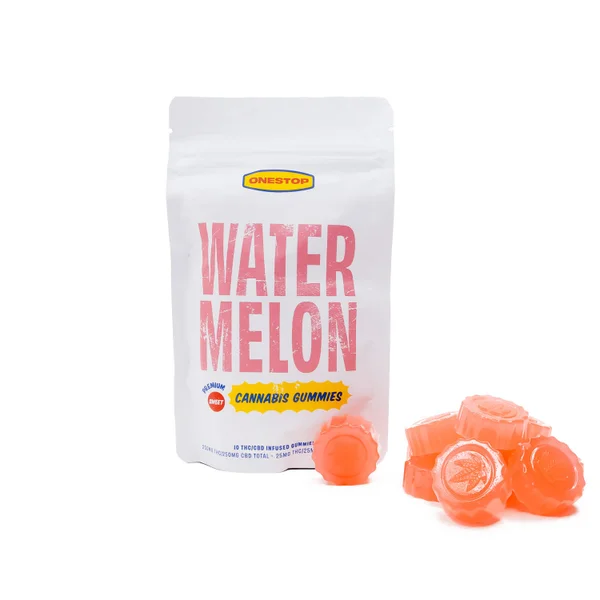
THC gummies.
Cannabis-infused chocolates.
THC brownies and cookies.
Cannabis-infused beverages.
THC hard candies.
Because THC is psychoactive, consuming these products can change mood, perception, memory, coordination, and concentration.
Edible THC is processed through the digestive system, meaning its effects generally take longer to appear than those associated with smoking cannabis.
- What Are CBD Edibles?
CBD edibles are food and beverage products containing cannabidiol.
CBD is a cannabinoid found in cannabis and hemp plants. Unlike THC, CBD does not typically produce an intoxicating high.
Common CBD edible products include:
CBD gummies.
CBD chocolates.
CBD-infused beverages.
CBD candies.
CBD food products.
CBD interacts with several biological pathways, including components of the endocannabinoid system.
It has attracted scientific interest for its potential therapeutic applications, although evidence varies depending on the condition being studied.
Importantly, non-intoxicating does not mean completely risk-free.
- THC Edibles vs. CBD Edibles: Key Differences
Although both contain cannabinoids, THC and CBD have different properties.
Feature THC Edibles CBD Edibles
Main compound THC CBD
Psychoactive effects Yes Not typically intoxicating
Produces a cannabis high Yes No typical THC-like high
Possible effects Altered perception, relaxation, impaired coordination Variable effects; generally non-intoxicating
Onset Usually delayed Usually delayed
Duration Can last several hours Varies by product and individual
Common products Gummies, chocolates, brownies Gummies, chocolates, beverages
Drug testing Can produce positive THC results Pure CBD is less likely to do so, but contamination or trace THC may produce a positive result
The actual effects depend on product formulation, cannabinoid concentration, and individual factors.
- How Do THC Edibles Affect the Body?
THC interacts with cannabinoid receptors, particularly CB1 receptors in the brain and central nervous system.
This interaction can influence:
Mood.
Memory.
Appetite.
Coordination.
Perception.
Concentration.
Sleepiness.
Possible short-term effects include relaxation, euphoria, increased appetite, dizziness, anxiety, and impaired coordination.
Excessive consumption may cause unpleasant or distressing reactions.
- How Do CBD Edibles Affect the Body?
CBD interacts with the body’s biological systems differently from THC.
It does not typically activate CB1 receptors in the same way as THC.
Researchers are studying CBD for several potential therapeutic applications.
However, scientific evidence differs considerably across conditions.
The strongest established medical use of prescription CBD is for certain seizure disorders, including specific forms of epilepsy.
Over-the-counter CBD gummies and other edible products should not be assumed to have the same effectiveness, quality, or medical approval as prescription cannabidiol.
CBD can also interact with medications and cause side effects.
- Do THC and CBD Edibles Produce Different Experiences?
Yes. Their effects can be quite different.
THC Edibles
THC edibles may produce:
Euphoria.
Relaxation.
Altered sensory perception.
Increased appetite.
Drowsiness.
Impaired memory.
Anxiety or paranoia.
The experience can be intense and may last several hours.
CBD Edibles
CBD edibles generally do not produce the intoxicating effects associated with THC.
Some users report changes in relaxation or general well-being, but these experiences do not establish that CBD treats a particular medical condition.
Possible side effects include:
Drowsiness.
Diarrhea.
Changes in appetite.
Fatigue.
Medication interactions.
7. Which Takes Longer to Work: THC or CBD Edibles?
Both THC and CBD edibles must generally pass through the digestive system before their ingredients are absorbed.
This means both may have delayed effects compared with products that are inhaled or absorbed through other routes.
For THC edibles, noticeable effects commonly begin within 30 minutes to 2 hours, although some products may take longer.
CBD edible onset also varies according to formulation, food intake, and individual metabolism.
There is no guaranteed onset time for either type of product.
- Can THC and CBD Be Found in the Same Edible?
Yes. Some cannabis products contain both THC and CBD.
These are sometimes marketed as combination or full-spectrum cannabinoid products.
The proportions of THC and CBD vary depending on the product.
Consumers should understand that the presence of CBD does not eliminate the intoxicating effects or risks of THC.
CBD should not be assumed to prevent THC-related impairment, anxiety, or other unwanted effects.
Always examine cannabinoid labels carefully.
- Are THC Edibles and CBD Edibles Legal?
Their legal status varies between countries and regions.
Some jurisdictions distinguish between hemp-derived CBD products and cannabis products containing THC.
Others regulate both substances under cannabis or controlled-drug legislation.
Legal considerations may include:
THC concentration.
Product origin.
Manufacturing standards.
Licensing requirements.
Import and export regulations.
Age restrictions.
CBD products are not automatically legal everywhere simply because they do not produce an intoxicating high.
Always check local laws before purchasing, possessing, or importing cannabinoid products.
- Important Safety Considerations
Both THC and CBD products require careful consideration.
THC Safety
THC may cause:
Anxiety and panic.
Impaired coordination.
Short-term memory problems.
Increased heart rate.
Confusion.
Dependence with repeated use.
CBD Safety
CBD may cause:
Drowsiness.
Diarrhea.
Changes in appetite.
Fatigue.
Drug interactions.
Liver-related adverse effects in some circumstances.
People taking prescription medication should consult a healthcare professional before using CBD because it can affect how certain medications are processed.
Pregnant or breastfeeding individuals should avoid cannabis and CBD products unless specifically advised otherwise by a qualified healthcare professional.
Children and pets should never have access to cannabinoid edibles.
- How to Read THC and CBD Product Labels
Understanding cannabinoid labels helps consumers identify what a product actually contains.
Important information includes:
Total THC: The combined quantity of THC in the entire package.
THC per serving: The amount of THC in one individual serving.
Total CBD: The combined quantity of CBD in the package.
CBD per serving: The amount of CBD in one serving.
**Other
