
Uncategorized
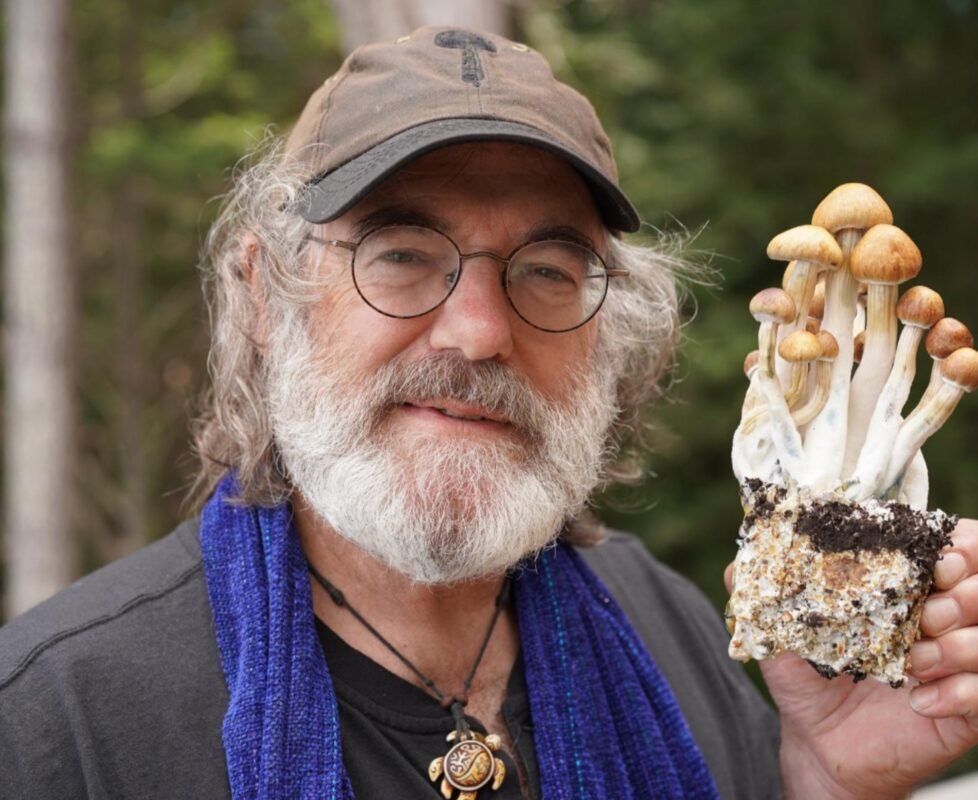
Paul Stamets on Joe Rogan: Exploring Mushrooms, Mycology and the Future of Fungi
Oct
Paul Stamets on Joe Rogan: Exploring Mushrooms, Mycology and the Future of Fungi
The world of fungi has attracted growing interest in recent years, from medicinal mushrooms and mycology to psilocybin research and the role fungi can play in the environment. Few people have done more to bring these subjects into mainstream conversations than mycologist and author Paul Stamets.
Stamets has appeared several times on The Joe Rogan Experience, where he has discussed mushrooms, mycelium, medicinal fungi, psilocybin and the broader relationship between fungi, human health and the natural world.
His most recent appearance was The Joe Rogan Experience #2347, released on July 9, 2025. The conversation lasted almost three hours and continued the long-running discussions between Rogan and Stamets about the fascinating world of fungi.
Who Is Paul Stamets?
Paul Stamets is an American mycologist, author and researcher known for his work with fungi. His career has focused on mushroom cultivation, fungal biology, medicinal mushrooms, mycoremediation and the potential applications of fungi.
He has also written several influential books about mushrooms and mycology, helping introduce the subject to people outside traditional scientific and academic communities.
His work has contributed to a wider public interest in fungi—not only as food, but also as organisms with potentially important ecological, scientific and medical applications.
Paul Stamets and The Joe Rogan Experience
Stamets has been a recurring guest on The Joe Rogan Experience. His appearances have allowed him to discuss complex topics surrounding fungi in a long-form conversation rather than through short interviews.
His first appearance was Episode #1035 in 2017. He subsequently returned for episodes #1385, #2134 and #2347.
Across these conversations, topics have included medicinal mushrooms, psilocybin mushrooms, mycelium, fungal ecosystems, consciousness and the possible applications of fungi.
Why Are People So Interested in Mushrooms?
One reason fungi have become such an interesting area of discussion is their enormous diversity.
Mushrooms represent only the visible reproductive structures of many fungi. Much of the organism can exist underground or within another material as a network of microscopic filaments known as mycelium.
This hidden fungal network plays an important role in natural ecosystems. Fungi help break down organic material and participate in relationships with plants and other organisms.
For Stamets, this makes fungi much more than something people find growing in forests. They are part of a complex biological network that influences ecosystems around the planet.
Medicinal Mushrooms and Human Health
Another major subject associated with Stamets is the potential use of medicinal mushrooms.
Mushrooms such as lion’s mane, turkey tail and other species have attracted scientific interest because they contain a variety of bioactive compounds.
However, it is important to distinguish between scientific research and established medical treatment. Research into mushroom compounds continues, and claims about health benefits should not automatically be interpreted as proven medical effects.
This distinction is particularly important when discussing supplements or products marketed around medicinal mushrooms.
Psilocybin and Psychedelic Research
Psilocybin mushrooms are another major part of public discussions surrounding Stamets.
Psilocybin is a naturally occurring psychedelic compound found in certain species of fungi. Scientific researchers have been investigating its effects on the brain and its possible therapeutic applications.
The subject has generated considerable interest, but research is still developing. Questions surrounding dosage, safety, therapeutic settings, long-term effects and appropriate medical supervision remain important.
Stamets’ conversations with Joe Rogan have helped introduce many listeners to the history and science surrounding psychedelic mushrooms.
Fungi Beyond Psychedelics
One of the most interesting aspects of Stamets’ work is that fungi are not limited to discussions about psychedelics.
Fungi have potential applications in areas such as environmental restoration, agriculture, biotechnology and waste management.
The concept of mycoremediation, for example, explores how fungi can potentially be used to help break down or transform certain pollutants and contaminated materials.
This broader perspective is important because it shows that the fungal kingdom has applications extending far beyond the psychedelic conversation.
What Makes the Joe Rogan Conversations Interesting?
The long format of The Joe Rogan Experience gives guests considerable time to explain complicated ideas.
Instead of focusing on a single topic, conversations with Stamets can move between mycology, biology, medicine, environmental science and human experiences.
That combination has helped make his appearances particularly interesting to people who are discovering mycology for the first time.
At the same time, listeners should separate personal experiences and theories discussed on podcasts from conclusions established through peer-reviewed scientific research.
Where to Listen
Paul Stamets’ appearances on The Joe Rogan Experience are available through Spotify.
The official Spotify listing for The Joe Rogan Experience #2347 – Paul Stamets can be found here:
Listen to Paul Stamets on Spotify – JRE #2347
For readers interested in the earlier conversation, Spotify also lists JRE #1035 – Paul Stamets, originally released in November 2017.
Listen to JRE #1035 – Paul Stamets on Spotify
Final Thoughts
Paul Stamets’ appearances on The Joe Rogan Experience have helped bring mycology into conversations far beyond traditional scientific circles.
From medicinal mushrooms and fungal ecosystems to psilocybin research and environmental applications, the discussions demonstrate just how broad the field of mycology can be.
For anyone interested in mushrooms, fungi or the emerging science surrounding them, the podcast provides a starting point for exploring the subject further. However, readers should always distinguish between established scientific evidence, ongoing research and personal claims or experiences discussed in long-form media.
REFERENCE .https://open.spotify.com/episode/4DLfLVgqD4NFZXwE9RuLso?si=XV1vF7GDQSq0xPuP_gWFtw
