
Blue Dream Cannabis Strain: Origins, Aroma, Reported Effects and Safety Guide
Introduction
Blue Dream is a widely recognised cannabis strain associated with California and known for its sweet berry aroma and reported uplifting effects. It is commonly described as a hybrid created from Blueberry and Haze genetics. Cannabis information sources often associate its profile with creativity, euphoria and relaxation, although individual experiences can vary considerably. Source: Leafly
This educational guide explores the Blue Dream cannabis strain, its commonly described characteristics, cannabinoid content, terpene profile and potential health risks. It also explains why strain names alone cannot confirm a product’s chemical composition or medical suitability.
What Is the Blue Dream Cannabis Strain?
Blue Dream is generally classified as a hybrid cannabis strain, with some sources describing it as sativa-dominant. Its commonly reported genetic background combines Blueberry with Haze.
The strain became well known through California’s cannabis scene and is frequently discussed in strain guides because of its fruity aroma and reported balance of stimulating and relaxing sensations.
However, cannabis varieties sold under the same name may differ in genetics, cultivation methods, cannabinoid concentrations and terpene composition. The Blue Dream name should therefore be treated as a general strain label rather than proof of a standardised product.
Blue Dream Appearance
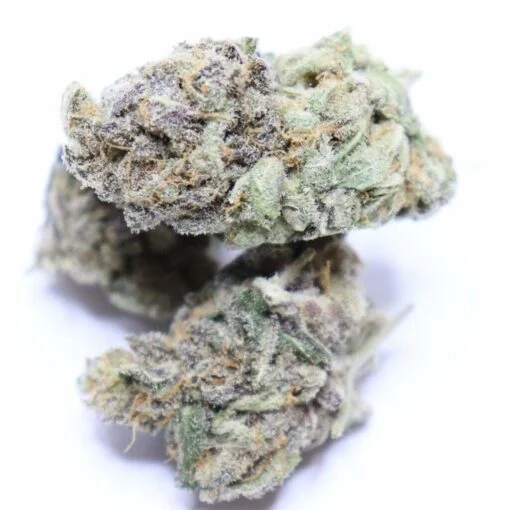
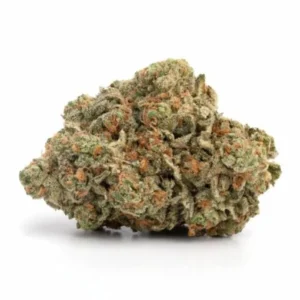
Descriptions of Blue Dream commonly mention dense or moderately compact buds with green colouring, orange-brown pistils and visible trichomes. Some examples may show lighter green shades or purple tones, depending on genetics and growing conditions.
Appearance alone cannot reliably establish a cannabis product’s identity, potency, purity or safety. Laboratory testing is needed to assess its chemical profile and identify certain contaminants.
Blue Dream Aroma and Flavour Profile
Blue Dream is often described as having a sweet, fruity aroma reminiscent of blueberries, with herbal and sometimes pine-like notes.
Commonly reported sensory characteristics include:
- Berry and blueberry: A fruit-like aroma associated with its Blueberry lineage.
- Sweet notes: A soft, sugary scent reported in some examples.
- Herbal and earthy notes: Vegetal aromas that can vary between batches.
- Pine-like notes: A sharper scent sometimes associated with its reported terpene profile.
These characteristics are descriptive rather than guaranteed. Storage, curing, freshness and individual perception can all influence the aroma of a particular sample.
Reported Effects of Blue Dream
Consumer strain profiles commonly associate Blue Dream with creativity, euphoria, happiness and a combination of mental stimulation and physical relaxation. These descriptions are based largely on consumer reports and should not be interpreted as predictable effects or clinical evidence.
The actual effects of cannabis depend on several factors, including THC concentration, the presence of other cannabinoids, individual tolerance, health history and the circumstances of use.
THC can impair attention, short-term memory, reaction time and coordination. Some people experience unwanted effects such as anxiety, panic, dizziness, confusion or paranoia. A strain described as uplifting or relaxing is not necessarily less impairing or safer than another variety.
Blue Dream THC and CBD Content
Blue Dream does not have one universal THC or CBD concentration. Leafly lists a reference THC value of approximately 21% for the strain, but this figure should not be assumed to apply to every product sold under that name. Individual batches may have substantially different laboratory results. Source: Leafly
THC is the principal intoxicating cannabinoid in cannabis. CBD is another cannabinoid that does not usually produce the same intoxicating effects as THC, but its presence does not automatically make a cannabis product safe or suitable for medical use.
For reliable information about a specific product, a current laboratory certificate of analysis is more informative than a strain name or an online potency estimate.
Blue Dream Terpenes
Terpenes are aromatic compounds found in many plants, including cannabis. Blue Dream strain profiles commonly identify the following terpenes:
- Myrcene: Associated with earthy, herbal and musky aromas.
- Pinene: Associated with pine-like scents.
- Beta-caryophyllene: Associated with peppery and spicy notes.
The relative quantities of these compounds can vary between samples. Although terpenes contribute to aroma, their presence alone does not establish that a strain will produce a particular psychological effect or provide a health benefit.
Potential Health Risks and Side Effects
Blue Dream can cause the same broad categories of adverse effects associated with other THC-containing cannabis products. Risk depends partly on potency, frequency of use, personal susceptibility and the method of consumption.
Potential short-term effects include:
- Impaired concentration, judgement, memory and coordination.
- Anxiety, panic, paranoia or confusion.
- Dizziness and an increased heart rate.
- Dry mouth and dry eyes.
- Reduced ability to react quickly or perform tasks safely.
Frequent cannabis use can lead to cannabis use disorder. Cannabis use is also associated with mental-health risks, including a higher risk of psychotic symptoms in susceptible people, particularly with frequent use or high-THC products. Smoking cannabis can expose the lungs to irritating and harmful substances.
Adolescents, pregnant or breastfeeding people, and individuals with a personal or family history of psychosis or certain other mental-health conditions should be especially cautious and seek advice from an appropriate healthcare professional.
Is Blue Dream a Medical Treatment?
Blue Dream is sometimes discussed in consumer cannabis literature in connection with stress, mood and other symptoms. These reports do not establish that the strain is an effective treatment for any medical condition.
Evidence about regulated cannabis-based medicinal products cannot automatically be applied to a particular named strain. Medical decisions should be based on reliable clinical evidence, an individual assessment and advice from a qualified healthcare professional.
In the UK, cannabis-based medicinal products may be prescribed in specific circumstances under applicable regulations. This does not mean that recreational cannabis or products marketed as Blue Dream are approved treatments.
Blue Dream Cannabis and UK Law
In the UK, cannabis is generally controlled as a Class B drug under the Misuse of Drugs Act 1971. Possession, production and supply are generally unlawful unless a specific legal exception applies.
Certain cannabis-based medicinal products may be prescribed by authorised specialist clinicians under the applicable rules. This is a limited exception and does not make recreational cannabis generally legal.
Anyone researching cannabis in the UK should consult current official government guidance rather than relying on a seller’s claims about legality.
Cannabis Safety Considerations
Public-health guidance recommends understanding the potential effects of THC and avoiding situations in which impairment could put the user or other people at risk.
Important precautions include:
- Do not drive or operate machinery while impaired.
- Avoid combining cannabis with alcohol or other intoxicating substances.
- Do not assume a familiar strain name guarantees a predictable reaction.
- Seek professional advice before combining cannabis products with medicines.
- Keep cannabis products away from children and pets.
- Seek urgent medical assistance if severe confusion, chest pain, difficulty breathing or other serious symptoms occur.
These precautions apply to Blue Dream as well as other cannabis varieties.
Frequently Asked Questions About Blue Dream
Is Blue Dream an indica or a sativa?
Blue Dream is commonly described as a hybrid, while some strain guides classify it as sativa-dominant. These labels are not reliable predictors of an individual product’s chemical composition or effects.
What does Blue Dream smell like?
It is commonly associated with sweet berry or blueberry aromas, sometimes accompanied by herbal, earthy or pine-like notes. The aroma varies between samples.
How strong is Blue Dream?
Some strain profiles list THC levels around 21%, but this is not a guaranteed concentration. The potency of a particular product can only be assessed reliably through suitable laboratory testing.
What terpenes are associated with Blue Dream?
Myrcene, pinene and beta-caryophyllene are frequently listed in Blue Dream strain profiles. Their concentrations may differ between products.
Does Blue Dream have proven medical benefits?
Anecdotal reports about a named strain are not sufficient to demonstrate medical effectiveness. Any potential use for a health condition should be discussed with a qualified healthcare professional.
Is Blue Dream legal in the UK?
Recreational cannabis is generally illegal in the UK. Specific cannabis-based medicinal products can be prescribed under limited legal conditions, but the strain name itself does not establish legal status.
Conclusion
Blue Dream is a well-known cannabis strain commonly described as a Blueberry and Haze hybrid, with a sweet berry aroma and consumer-reported uplifting and relaxing effects. However, strain descriptions are not guarantees of potency, experience or medical benefit. Understanding cannabinoid variation, possible adverse effects and the applicable law is essential when evaluating information about Blue Dream.
Disclaimer
This article is for educational and informational purposes only. It is not medical advice and does not recommend cannabis use, purchase or treatment. Strain characteristics are based on general descriptions and may not reflect a specific product. Consult official legal guidance and a qualified healthcare professional for advice relevant to your circumstances.
| Amount | 14G, 28G, 56G |
|---|
Be the first to review “Buy Candy Land weed UK”
Related products
PREMIUM FLOWERS
PREMIUM FLOWERS
PREMIUM FLOWERS
PREMIUM FLOWERS
PREMIUM FLOWERS
PREMIUM FLOWERS
PREMIUM FLOWERS
PREMIUM FLOWERS
Reviews
There are no reviews yet.