
Eutylone Crystals: Effects, Health Risks and UK Legal Status
Introduction
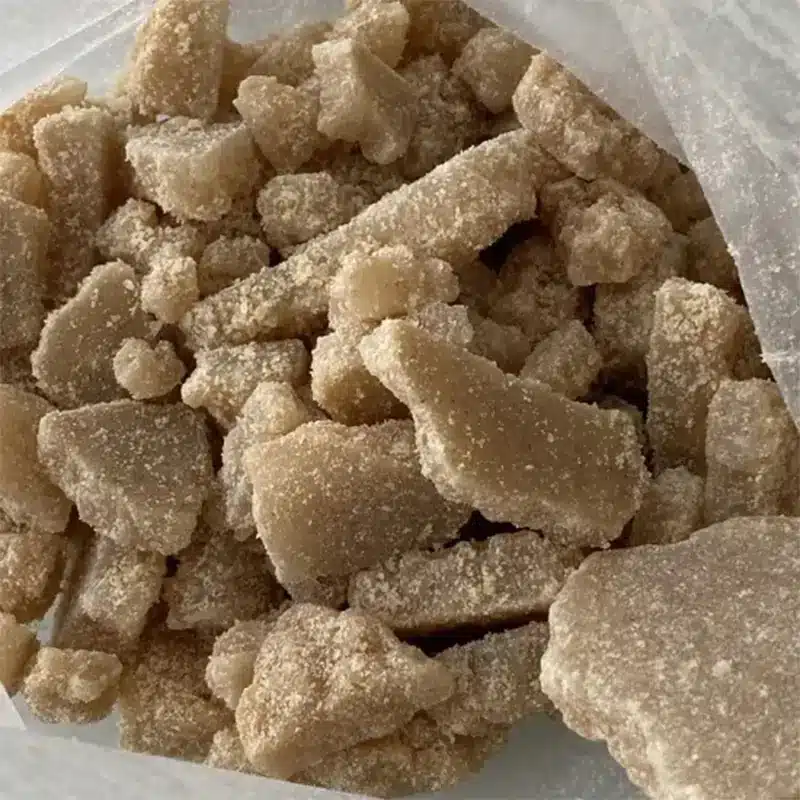
Eutylone crystals is a search term associated with eutylone, a synthetic cathinone with stimulant and psychoactive properties. The word “crystals” describes a possible physical appearance but does not confirm the chemical identity, purity, or strength of a substance.
Eutylone has been associated with products sold as recreational stimulants. Understanding its potential effects, uncertain composition in unverified products, and associated health risks is important for public-health education.
What Is Eutylone?
Eutylone is a synthetic cathinone, a group of substances chemically related to compounds found naturally in the khat plant. Synthetic cathinones can affect neurotransmitter systems involved in mood, alertness, and the body’s response to stimulation.
Eutylone has stimulant-like properties, but the effects of an unverified product may be difficult to predict. A substance described online as eutylone may contain other chemicals, mixtures, or contaminants.
What Are Eutylone Crystals?
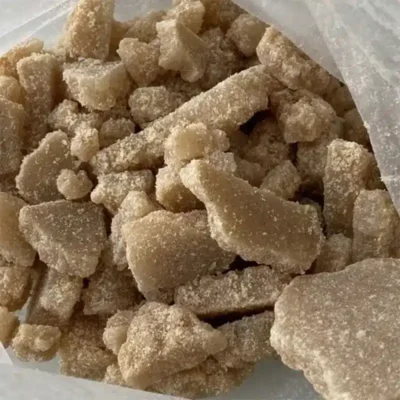
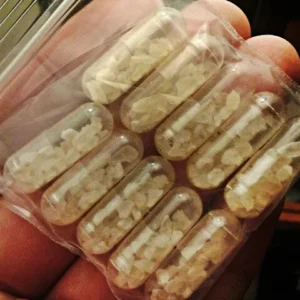
The term “eutylone crystals” refers to material described as having a crystalline appearance and claimed to contain eutylone. Appearance alone cannot establish whether the substance is eutylone or whether it contains other ingredients.
Important distinctions include:
- Identity: The chemical or chemicals actually present.
- Purity: The proportion of a sample consisting of a particular compound.
- Strength: The quantity of a substance in a given amount.
- Safety: The likelihood of harm, which cannot be determined from appearance or a purity claim alone.
A product description or photograph should not be treated as evidence of chemical composition.
Potential Effects of Eutylone
As a synthetic cathinone, eutylone may produce stimulant-related effects. Reported or potential effects associated with this class of substances include:
- Increased alertness or wakefulness.
- Increased heart rate and blood pressure.
- Restlessness or agitation.
- Sweating and increased body temperature.
- Anxiety, confusion, or difficulty sleeping.
The evidence on eutylone’s effects in humans is limited compared with that for many established medicines. The response to an unverified substance can vary, and severe adverse effects are possible.
Health Risks Associated With Eutylone
Cardiovascular strain
Stimulant substances can increase heart rate and blood pressure. In serious cases, stimulant toxicity may be associated with dangerous heart rhythms and other cardiovascular complications.
Overheating
An increase in body temperature can become dangerous, particularly in hot environments or during strenuous physical activity. Severe overheating requires urgent medical assessment.
Psychological effects
Stimulant-related adverse effects can include anxiety, panic, agitation, confusion, and paranoia. Sleep disruption may also occur.
Neurological complications
Severe stimulant toxicity can involve seizures, altered consciousness, or other serious neurological symptoms. The risk may be harder to assess when the substance’s identity or composition is unknown.
Unknown composition
Products sold under a particular chemical name may contain other substances. This uncertainty can complicate the recognition and treatment of poisoning.
Can Eutylone Be Identified by Its Crystal Appearance?
No. Colour, crystal shape, texture, packaging, and online photographs cannot reliably establish chemical identity or purity. Different compounds may look similar, and material with a similar appearance may have a different composition.
Reliable laboratory analysis is required to identify the chemicals present in a sample. Even confirmed identification does not mean that exposure is safe.
Eutylone and UK Legal Considerations
The legal status of a substance depends on the applicable legislation and the exact chemical involved. The UK controls many synthetic cathinones under drug legislation, but legal classification should be checked against current official sources rather than inferred from a product name.
Readers should consult the UK government’s controlled-drugs guidance and the Misuse of Drugs Act 1971, including applicable amendments, for authoritative information. Buying, possessing, supplying, or importing a substance may have legal consequences depending on its classification and the circumstances.
Recognising a Possible Stimulant Emergency
Seek urgent medical help if someone may have been exposed to eutylone or another stimulant and develops symptoms such as:
- Chest pain or difficulty breathing.
- Severe overheating or a very high body temperature.
- Seizures or collapse.
- Severe agitation, confusion, or loss of consciousness.
- A very rapid or irregular heartbeat accompanied by feeling seriously unwell.
In the UK, call 999 for a suspected medical emergency. Tell emergency responders what may have been taken, if known, and do not delay treatment while trying to identify the substance.
Responsible Research and Public-Health Awareness
Eutylone is an example of a synthetic stimulant for which uncertainty about a product’s composition can complicate risk assessment. Educational information should distinguish scientific evidence from unverified online claims and should not treat appearance, branding, or seller descriptions as proof of identity.
For further information, consult recognised health services, toxicology resources, and official UK drug-control guidance.
Conclusion
Eutylone crystals is a descriptive term, not proof that a sample contains eutylone or is chemically pure. Synthetic cathinones can pose significant physical and psychological health risks, including cardiovascular complications, overheating, and severe agitation. Reliable identification, awareness of emergency symptoms, and consultation of current legal guidance are important parts of responsible drug education.
| AMOUNT | 25TABS, 50TABS, 100 TABS |
|---|
Be the first to review “Buy Eutylone Crystals”
Related products
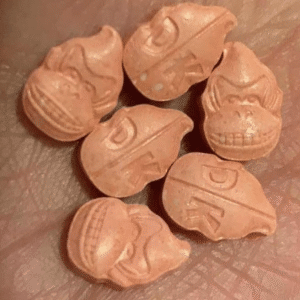
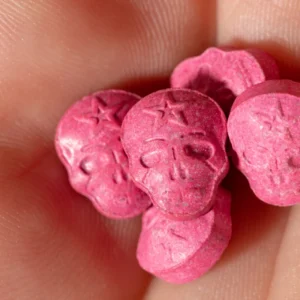
MDMA
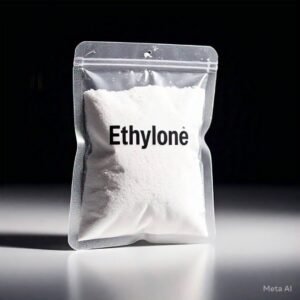

MDMA
Reviews
There are no reviews yet.