
ENVY Microdose Psilocybin Capsules: Effects, Health Risks and UK Legal Status
Introduction
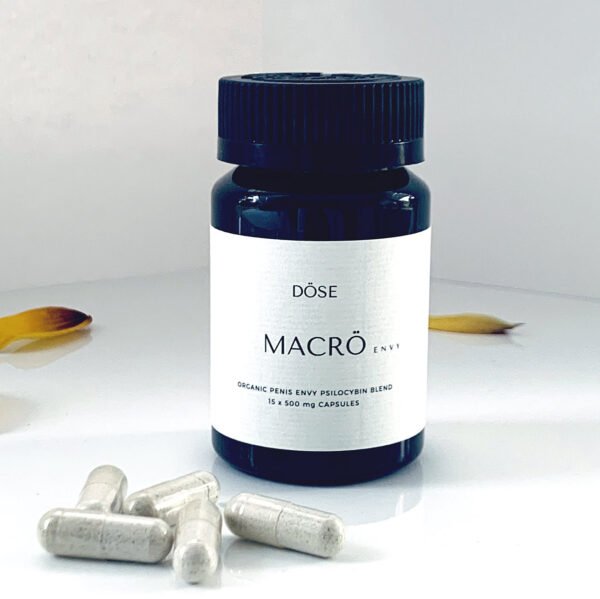
ENVY Microdose Psilocybin Capsules is a search phrase associated with products described as containing small quantities of psilocybin, a naturally occurring psychedelic compound found in certain mushroom species. However, the product name alone does not establish the ingredients, strength, purity, or safety of a particular capsule.
The term “microdosing” generally refers to taking a quantity of a psychedelic intended to produce subtler effects than a conventional psychedelic experience. Scientific research into the potential benefits and risks of psychedelic microdosing is ongoing, and evidence remains limited in several important areas.
What Is Psilocybin?
Psilocybin is a psychoactive compound found in certain mushrooms. After ingestion, the body converts it into psilocin, which interacts with serotonin receptors in the brain and can alter perception, mood, and cognition.
The effects can vary considerably between individuals. Factors such as the actual substance present, individual sensitivity, mental health, other medications, and the surrounding environment can influence the experience.
A capsule marketed as containing psilocybin should not automatically be assumed to contain a verified quantity of the compound.
What Does Microdosing Mean?
Microdosing is commonly described as using a small amount of a psychedelic with the intention of avoiding pronounced perceptual changes. People who discuss the practice sometimes report perceived changes in mood, concentration, or creativity.
However, these reports do not establish that microdosing reliably produces those benefits. Research has faced challenges involving small study groups, differences in study design, self-reported outcomes, and the difficulty of separating pharmacological effects from expectations.
Microdosing should not be presented as an established treatment for depression, anxiety, or other medical conditions.
What Are ENVY Microdose Psilocybin Capsules?
The name “ENVY Microdose Psilocybin Capsules” is a product description, not an independently verified chemical specification. Without reliable laboratory results for a particular product, its contents and consistency cannot be confirmed.
Important considerations include:
- Ingredient identity: The name alone cannot establish which substances are present.
- Content consistency: Capsules sold under the same name may not necessarily contain identical ingredients or quantities.
- Purity: A product description is not proof of laboratory-confirmed purity.
- Safety: A claim that a product is a microdose does not establish that it is safe for every individual.
These limitations are particularly important when products are sold through unverified online sources.
Potential Effects of Psilocybin
Psilocybin can affect perception, emotional responses, thought patterns, and the sense of time. Possible effects include changes in mood, altered sensory experiences, anxiety, nausea, and confusion.
The intensity and duration of effects can vary. Even products described as containing small quantities may produce unexpected effects if their contents are unknown or inconsistent.
Some people may experience panic, distressing perceptual changes, or worsening psychological symptoms.
Health Risks and Safety Considerations
Psychological effects
Psychedelics can cause anxiety, panic, confusion, and distress. People with certain psychiatric vulnerabilities may face additional risks, and the long-term effects of repeated microdosing are not fully understood.
Medication interactions
Psilocybin may interact with other substances or medications in ways that are not fully characterised. Anyone taking prescription medication should consult a qualified healthcare professional rather than assuming that a product marketed for microdosing is compatible.
Uncertain ingredients
Unverified capsules may contain different substances from those advertised. Labels, packaging, and product photographs cannot reliably establish chemical identity or quantity.
Limits of current research
There is ongoing scientific interest in psychedelic research, including studies involving psilocybin under controlled conditions. Results from supervised clinical research cannot automatically be applied to unregulated products or unsupervised use.
Can Psilocybin Capsules Be Verified by Their Packaging?
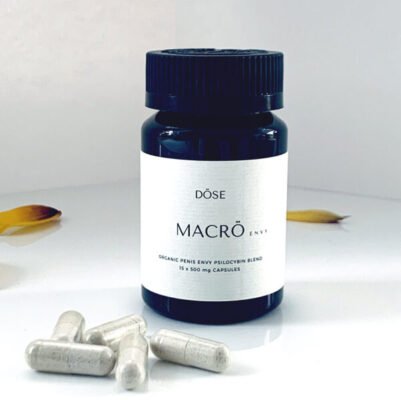
No. Packaging, branding, capsule colour, and online descriptions cannot establish the presence or amount of psilocybin. Reliable chemical analysis is needed to determine a product’s composition, and identifying an ingredient does not guarantee safety.
Consumers and researchers should distinguish between verified scientific findings, manufacturer claims, and anecdotal reports.
Psilocybin and UK Legal Status
In the United Kingdom, psilocybin and psilocin are controlled as Class A drugs under the Misuse of Drugs Act 1971. Unauthorised possession, supply, production, and importation can carry serious legal consequences.
The legal status does not depend on whether a product is described as a microdose, a capsule, or a mushroom preparation. Anyone researching these substances should consult current official legislation and government guidance.
Responsible Research and Public-Health Awareness
Psilocybin microdosing is an active area of scientific investigation, but claims about improved concentration, creativity, or mental health should be evaluated carefully. Personal testimonials and product descriptions are not substitutes for controlled research or professional medical advice.
For reliable information, readers can consult official UK drug legislation, recognised health resources, and peer-reviewed research on psychedelics.
Conclusion
ENVY Microdose Psilocybin Capsules is a product-related search phrase, but the name alone cannot verify its contents, strength, or safety. Psilocybin can affect perception and mental state, while the evidence for the benefits of microdosing remains limited and developing. Responsible education should distinguish scientific evidence from unverified product claims and consider health risks and UK legal restrictions.
Be the first to review “ENVY Microdose Psilocybin Capsules”
Related products
mushrooms Gummies
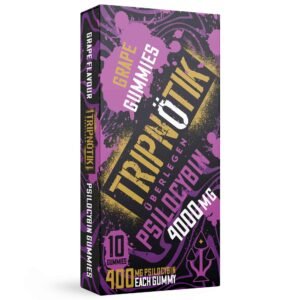
mushrooms Gummies
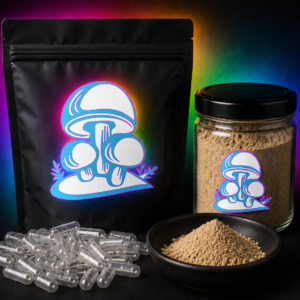
capsules
capsules
Reviews
There are no reviews yet.