
Uncategorized
Safe Storage of THC Edibles: Protecting Children and Pets
Nov
Introduction
THC edibles have become increasingly recognizable cannabis products, available in different forms such as gummies, chocolates, brownies, cookies, and infused beverages.
Although these products may look similar to ordinary snacks, they contain tetrahydrocannabinol (THC), a psychoactive compound that can cause intoxication and other unwanted effects.
One important concern surrounding THC edibles is accidental consumption by children and pets.
Because many cannabis-infused products resemble regular candy or food, young children and animals may consume them without understanding the potential dangers.
Proper storage is therefore essential for anyone who keeps THC edibles at home.
In this guide, we’ll explain why safe storage matters, how to protect children and pets, common storage mistakes to avoid, and what to do if accidental consumption occurs.
1. Why Is Safe THC Edible Storage Important?
THC edibles can pose serious safety risks when they are left where children or pets can reach them.
Unlike traditional cannabis flower, edible products may resemble familiar foods.
For example:
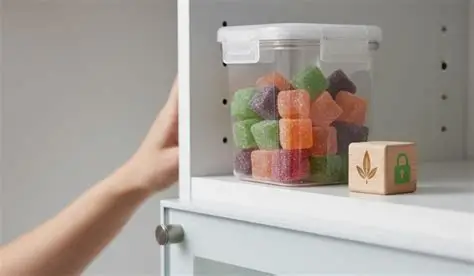
- THC gummies can look like regular fruit candy.
- THC chocolates can resemble ordinary chocolate bars.
- Cannabis brownies may look like homemade desserts.
- THC cookies may appear similar to everyday snacks.
Children may accidentally consume these products because they do not recognize the difference between cannabis-infused food and ordinary treats.
Pets may also be attracted to their smell and taste.
Accidental consumption can result in THC poisoning, making secure storage an important household safety responsibility.
2. Why Are THC Edibles Dangerous for Children?
Children are particularly vulnerable to accidental THC exposure.
Their smaller body size and developing nervous systems can make cannabis intoxication especially concerning.
Possible symptoms of THC poisoning in children include:
- Unusual sleepiness.
- Confusion.
- Poor coordination.
- Vomiting.
- Dizziness.
- Changes in behavior.
- Difficulty walking.
- Reduced responsiveness.
- Breathing difficulties in severe cases.
Symptoms may not appear immediately because THC edibles have a delayed onset.
This means a child may initially appear normal even after consuming a cannabis product.
Important: If you suspect a child has consumed a THC edible, seek immediate medical or poison-control advice. Do not wait for symptoms to appear.
3. Why Are THC Edibles Dangerous for Pets?
Dogs and cats can also experience cannabis poisoning after accidentally consuming THC products.
Dogs are particularly vulnerable because they may eat food products simply because they smell appealing.
THC can affect the nervous system and cause several concerning symptoms.
Common Signs of THC Poisoning in Dogs
- Excessive sleepiness.
- Loss of coordination.
- Unusual sensitivity to sound or movement.
- Vomiting.
- Dribbling urine.
- Trembling.
- Abnormal behavior.
- Changes in heart rate.
Common Signs of THC Poisoning in Cats
Cats may experience:
- Lethargy.
- Poor coordination.
- Vomiting.
- Tremors.
- Changes in behavior.
- Unusual sensitivity.
- Abnormal body movements.
The severity depends on factors such as the amount consumed, the animal’s size, and the product’s THC concentration.
Important: If a pet consumes THC edibles, contact a veterinarian or animal poison-control service immediately. Do not attempt home treatment without professional guidance.
4. The Best Ways to Store THC Edibles Safely
Proper storage can significantly reduce accidental exposure.
Here are important precautions for households that legally possess THC products.
A. Use a Locked Storage Container
Keeping THC edibles in a locked container helps prevent children and unauthorized individuals from accessing them.
A lockable storage box or cabinet can provide an additional layer of protection.
B. Keep Products in Original Packaging
Original packaging often contains important information, including:
- THC concentration.
- Product ingredients.
- Safety warnings.
- Manufacturing information.
- Serving information.
Keeping products in their original packaging also helps prevent confusion with ordinary food.
C. Store Products Away From Ordinary Snacks
Avoid placing THC gummies or chocolates alongside regular candy and snacks.
Even adults can accidentally confuse similar-looking products.
Keep cannabis products separate from everyday household food.
D. Use Child-Resistant Packaging
Child-resistant packaging can help reduce the likelihood of accidental access.
However, it should never replace locked storage.
Child-resistant does not mean childproof.
E. Keep Products Out of Sight
