
Uncategorized
THC Edibles for Beginners: A Complete Guide
Nov
Introduction
THC edibles have become a popular option for adults interested in cannabis products. Unlike traditional cannabis smoking or vaping, THC edibles are consumed orally and come in various forms, including gummies, chocolates, cookies, baked goods, and infused beverages.
For beginners, understanding how THC edibles work is important before considering their use. Their effects can differ significantly from inhaled cannabis, particularly in how quickly they begin, how long they last, and how strongly they may affect the body.
In this guide, we’ll explore what THC edibles are, how they work, their potential effects, safety considerations, and what beginners should know.
1. What Are THC Edibles?
THC edibles are food and drink products infused with tetrahydrocannabinol (THC), the primary psychoactive compound in cannabis.
Unlike smoking cannabis, which delivers THC through the lungs, edibles introduce THC through the digestive system.
Common types of THC edibles include:
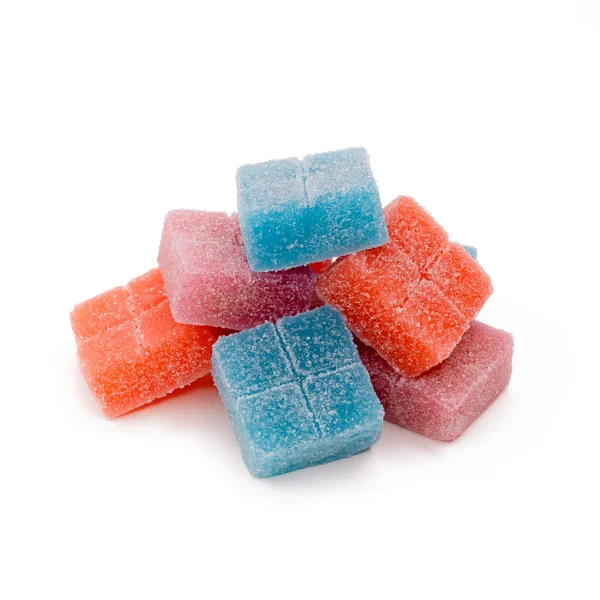
- Gummies: Chewy candies available in different flavors and THC concentrations.
- Chocolates: Cannabis-infused chocolate bars and treats.
- Baked goods: Cookies, brownies, and other pastries.
- Beverages: Cannabis-infused drinks and liquid products.
- Hard candies: THC-infused sweets designed to dissolve in the mouth.
Each product may contain a different amount of THC, so checking the packaging and understanding the concentration is essential.
2. How Do THC Edibles Work?
When someone consumes a THC edible, it travels through the digestive system before THC is absorbed into the bloodstream.
The liver also processes THC, converting some of it into a compound called 11-hydroxy-THC. This contributes to the distinct effects associated with edible cannabis.
Unlike inhaled cannabis, which can produce effects within minutes, THC edibles typically take longer to produce noticeable effects.
Factors that influence how edibles affect someone include:
- Individual metabolism.
- Body chemistry and tolerance.
- Whether food has been consumed.
- The THC concentration in the product.
- The type and formulation of the edible.
This delayed onset is one of the most important things beginners should understand.
3. How Long Do THC Edibles Take to Work?
One common question beginners ask is how long it takes to feel the effects of THC edibles.
Generally, effects may begin within 30 minutes to 2 hours, although some products can take longer.
The experience varies depending on the individual and the product.
| Stage | Typical timeframe |
|---|---|
| Initial effects | 30 minutes–2 hours |
| Stronger effects | 2–4 hours |
| Overall duration | 4–12 hours or longer |
These are approximate ranges, not guarantees. Some people may experience effects for longer.
Important: One common mistake is consuming more because the first serving does not seem to be working. This can lead to unexpectedly intense and uncomfortable effects.
4. What Are the Possible Effects of THC Edibles?
THC affects people differently. The experience may depend on the amount consumed, individual sensitivity, and previous cannabis exposure.
Possible short-term effects include:
- Relaxation.
- Changes in mood.
- Altered perception of time.
- Increased appetite.
- Drowsiness.
- Impaired coordination.
- Short-term memory difficulties.
- Anxiety or paranoia.
- Increased heart rate.
Some people report pleasant experiences, while others may experience discomfort, confusion, or overwhelming psychoactive effects.
It is important to remember that THC is not suitable for everyone.
5. THC Edible Dosage: What Should Beginners Know?
Understanding THC concentration is essential when learning about cannabis edibles.
Products may display their THC content in milligrams (mg). This measurement indicates how much THC is contained in a serving or package.
For example, a package containing 100 mg of THC divided into ten equal servings contains 10 mg per serving.
Beginners should understand that THC sensitivity varies considerably. Even relatively small amounts can produce noticeable effects in people with little or no tolerance.
Avoid assuming that products with attractive packaging or familiar candy formats are harmless. THC edibles are psychoactive cannabis products, not ordinary sweets.
6. Common Mistakes Beginners Should Avoid
People unfamiliar with THC edibles may make mistakes because the effects take longer to appear.
Here are some important mistakes to avoid:
Taking more too soon: The delayed onset can make someone think the edible is not working. Taking additional amounts can result in excessive consumption.
Ignoring product labels: Always understand the THC content and serving information.
Mixing THC with alcohol: Combining cannabis and alcohol can increase impairment and unpleasant effects.
Driving after consumption: THC can impair judgment, coordination, and reaction time. Never drive or operate machinery while impaired.
Leaving edibles where children can reach them: Store cannabis products securely in their original, clearly labeled, child-resistant packaging.
Assuming all edibles are equally strong: Different brands and products may contain very different THC concentrations.
7. THC Edibles vs. Smoking Cannabis
Although both methods deliver THC, they differ in several important ways.
| Feature | THC Edibles | Smoking Cannabis |
|---|---|---|
| Consumption | Oral | Inhalation |
| Onset | Usually slower | Usually within minutes |
| Duration | Often longer | Usually shorter |
| Lung exposure | No smoke exposure | Exposes lungs to smoke |
| Dosage measurement | Often labeled in mg | Can be harder to estimate |
| Experience | Influenced by digestion and liver metabolism | Influenced by inhalation and absorption |
Neither method is risk-free. Choosing an edible instead of smoking avoids inhaling cannabis smoke, but it does not eliminate THC-related health risks.
8. Are THC Edibles Safe?
THC edibles can carry health risks, especially when consumed without understanding their potency or delayed effects.
Potential concerns include:
- Anxiety and panic reactions.
- Dizziness and confusion.
- Impaired memory and concentration.
- Increased heart rate.
- Accidental overconsumption.
- Dependence with repeated use.
THC may also pose particular risks to adolescents, pregnant or breastfeeding individuals, and people with certain mental health or cardiovascular conditions.
If someone consumes too much and experiences severe confusion, chest pain, difficulty breathing, seizures, or loss of consciousness, seek emergency medical assistance.
9. How Should THC Edibles Be Stored?
Proper storage is important because THC edibles can look similar to ordinary food and candy.
Follow these precautions:
- Keep products in their original packaging.
- Store them in a locked location.
- Keep them away from children and pets.
- Avoid storing them alongside ordinary snacks.
- Follow the manufacturer’s storage instructions.
- Dispose of unwanted products securely.
Responsible storage helps prevent accidental consumption.
Conclusion
THC edibles offer a different cannabis experience compared with smoking or vaping. They come in many forms, have a delayed onset, and can produce effects that last several hours.
For beginners, the most important things to understand are THC concentration, delayed effects, individual sensitivity, potential health risks, and responsible storage.
Education is essential when discussing cannabis products. Understanding how THC edibles work can help adults make informed decisions, recognize potential risks, and avoid common mistakes.
Remember: THC edibles are psychoactive products, not ordinary snacks. Responsible awareness and safety should always come first.
Frequently Asked Questions (FAQs)
1. What are THC edibles?
THC edibles are food and beverage products infused with tetrahydrocannabinol, the psychoactive compound found in cannabis.
2. How long do THC edibles take to work?
They generally take between 30 minutes and 2 hours to produce noticeable effects, although some products may take longer.
3. How long do THC edibles last?
Their effects can last approximately 4–12 hours or longer, depending on the individual and product.
4. Can THC edibles cause anxiety?
Yes. THC can cause anxiety, panic, paranoia, or confusion, particularly when someone consumes more than they can comfortably tolerate.
5. Are THC edibles stronger than smoking cannabis?
They can feel stronger or different because the body processes ingested THC differently. However, the experience depends on the THC amount, individual sensitivity, and other factors.
6. Can THC edibles be addictive?
Yes. Regular cannabis use can lead to cannabis use disorder in some individuals.
7. Are THC edibles legal?
Cannabis laws differ significantly between countries and regions. Always check the laws that apply where you live before purchasing or possessing THC products.
