
Uncategorized
Understanding THC Edible Potency and Dosage: A Complete Guide for Beginners
Nov
Introduction
THC edibles are available in different strengths, flavors, and product types. From gummies and chocolates to brownies and infused beverages, each product can contain a different concentration of tetrahydrocannabinol (THC).
For beginners, understanding THC edible potency and dosage is essential. Unlike ordinary food products, THC edibles contain a psychoactive compound that can affect mood, perception, coordination, and memory.
One of the biggest challenges with cannabis edibles is understanding how much THC a product contains and how that amount may affect the body.
In this guide, we’ll explain THC potency, how edible dosage is measured, what influences individual sensitivity, and important safety considerations.
1. What Is THC Potency?
THC potency refers to the concentration or amount of tetrahydrocannabinol contained in a cannabis product.
THC is the primary psychoactive compound in cannabis responsible for its intoxicating effects.
In edible products, potency is commonly measured in milligrams (mg).
For example:
- A gummy may contain 5 mg of THC.
- A chocolate square may contain 10 mg of THC.
- A package may contain 100 mg of THC in total.
These figures describe the amount of THC, not necessarily how strongly every person will experience its effects.
Individual sensitivity, tolerance, metabolism, and other factors can influence the experience.
2. What Does THC Dosage Mean?
THC dosage refers to the quantity of THC consumed.
Most regulated cannabis edible products display their THC content on the packaging.
There are two important measurements to understand:
THC per serving: The amount of THC in one individual serving.
Total THC per package: The combined amount of THC in the entire product.
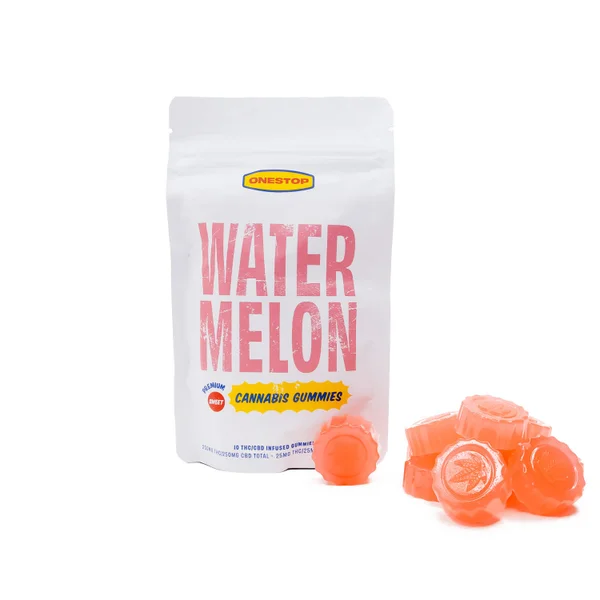
For example, if a package contains ten gummies with 5 mg of THC each, the total package contains 50 mg of THC.
Understanding this distinction helps prevent confusion when reading product labels.
3. Understanding THC Milligrams
Milligrams are used to measure the quantity of THC in edible products.
A milligram is one-thousandth of a gram.
Although the numbers may appear small, THC is a psychoactive compound, and relatively small quantities can produce noticeable effects.
The amount of THC in a product does not tell the whole story. Two people consuming the same amount may experience very different effects.
People with little or no cannabis tolerance may be particularly sensitive.
4. THC Edible Potency Categories
Cannabis edible products are often marketed using different potency levels.
The following table provides an illustrative description of commonly encountered THC quantities, not a recommended consumption schedule.
| THC amount | General description |
|---|---|
| 1–2.5 mg | Low THC quantity |
| 2.5–5 mg | Relatively low quantity |
| 5–10 mg | Moderate quantity for some consumers |
| 10–20 mg | Higher quantity with increased risk of unwanted effects |
| Above 20 mg | High THC quantity, potentially overwhelming |
These categories are not universal standards. A quantity that seems manageable to one experienced consumer may cause significant impairment in someone with little tolerance.
There is no universally safe THC dosage.
5. Factors That Influence THC Edible Effects
THC potency alone cannot predict how someone will respond to an edible.
Several factors influence the experience.
A. Individual Tolerance
Tolerance develops through repeated exposure to THC.
People who regularly consume cannabis may experience different effects from those who rarely or never use it.
However, tolerance does not eliminate the risks associated with THC.
B. Metabolism
The body processes THC through digestion and liver metabolism.
Differences in metabolism can influence the onset, intensity, and duration of edible effects.
C. Food Intake
Eating before consuming an edible may influence how THC is absorbed.
The composition of a meal can also affect absorption, making individual experiences less predictable.
D. Product Formulation
Different edible products may deliver THC differently.
Traditional gummies, chocolates, baked goods, and specially formulated beverages can have different absorption characteristics.
E. Individual Sensitivity
Some people are more sensitive to THC than others.
Factors such as age, general health, medication use, and individual biology may influence their response.
6. How to Read THC Edible Labels
Reading product labels is one of the most important parts of understanding edible potency.
A properly labeled product may include:
- Total THC content.
- THC content per serving.
- Number of servings.
- Ingredients.
- Manufacturing information.
- Expiration or best-before date.
- Safety and storage instructions.
- Laboratory testing information, where applicable.
For example, consider a package containing:
- 10 gummies.
- 5 mg THC per gummy.
- 50 mg total THC.
The total package contains 50 mg, while each individual gummy contains 5 mg.
Always distinguish between the amount in one serving and the amount in the entire package.
Where cannabis products are legally regulated, independent laboratory testing can help verify cannabinoid content and identify certain contaminants.
7. Why Can the Same THC Amount Affect People Differently?
Two people can consume products containing identical THC quantities and experience very different effects.
For example, one person may experience relaxation and drowsiness, while another may experience anxiety, dizziness, or confusion.
This difference can be influenced by:
- Previous cannabis exposure.
- Individual metabolism.
- THC sensitivity.
- Food intake.
- Product formulation.
- Other substances or medications.
This is why another person’s experience should never be used as a reliable guide to predicting your own response.
8. What Happens When Someone Consumes Too Much THC?
Consuming excessive THC can lead to an uncomfortable or frightening experience.
Possible symptoms include:
- Anxiety and panic.
- Paranoia.
- Dizziness.
- Nausea and vomiting.
- Confusion.
- Increased heart rate.
- Poor coordination.
- Excessive drowsiness.
- Distorted perception.
Because edible effects can be delayed, people sometimes consume additional THC before the first serving has taken effect.
If someone experiences unpleasant effects, they should avoid consuming more THC, remain somewhere safe, and have a sober person provide support.
Seek emergency medical assistance for severe symptoms such as chest pain, difficulty breathing, seizures, or loss of consciousness.
9. Important THC Edible Safety Tips
Understanding THC potency should always go together with responsible safety practices.
Here are important precautions:
- Read the product label carefully.
- Understand the difference between THC per serving and THC per package.
- Avoid consuming additional THC because effects are delayed.
- Never combine THC with alcohol or other impairing substances.
- Avoid driving or operating machinery while impaired.
- Keep THC products away from children and pets.
- Store edibles in their original, child-resistant packaging.
- Check local cannabis laws before purchasing or possessing THC products.
THC may be particularly risky for adolescents, pregnant or breastfeeding individuals, and people with certain medical or mental health conditions.
10. Are Higher-Potency THC Edibles Better?
Higher THC potency does not automatically mean a better product or experience.
Products containing larger amounts of THC may increase the likelihood of unwanted effects, including anxiety, panic, impaired coordination, and confusion.
For people unfamiliar with cannabis, understanding the amount of THC in a product is more important than choosing the strongest available option.
Product quality, accurate labeling, and safety information are also important considerations.
Conclusion
Understanding THC edible potency and dosage is essential for anyone researching cannabis-infused food products.
THC potency describes the amount or concentration of THC in a product, while dosage refers to the quantity consumed. These measurements help explain what a product contains, but they cannot predict exactly how an individual will respond.
Factors such as tolerance, metabolism, food intake, product formulation, and individual sensitivity all influence the experience.
The most important takeaway is to understand product labels, recognize the risks of excessive THC consumption, and never assume that a higher-potency product is better.
Responsible cannabis education begins with understanding what is in a product and how it may affect the body.
Frequently Asked Questions (FAQs)
1. What does 5 mg of THC mean in edibles?
It means the product or serving contains five milligrams of tetrahydrocannabinol.
2. What is THC potency?
THC potency refers to the concentration or amount of THC contained in a cannabis product.
3. What is the difference between THC per serving and THC per package?
THC per serving describes the amount in one serving, while THC per package describes the combined amount in the entire product.
4. Can two people experience different effects from the same THC dosage?
Yes. Metabolism, tolerance, sensitivity, and other individual factors can influence the experience.
5. Are high-potency THC gummies stronger?
They contain more THC, but the intensity of their effects varies between individuals.
6. Can THC edibles cause an overdose?
Excessive THC consumption can cause significant intoxication and distressing symptoms. Severe symptoms require urgent medical attention.
7. How can consumers check THC content?
Consumers should examine the product label for THC per serving and total THC per package. In regulated markets, laboratory testing information can provide additional verification.
