
Uncategorized
Magic Mushrooms in Southampton: Understanding UK Psilocybin Laws, Possession and Legal Restrictions
Nov
Introduction
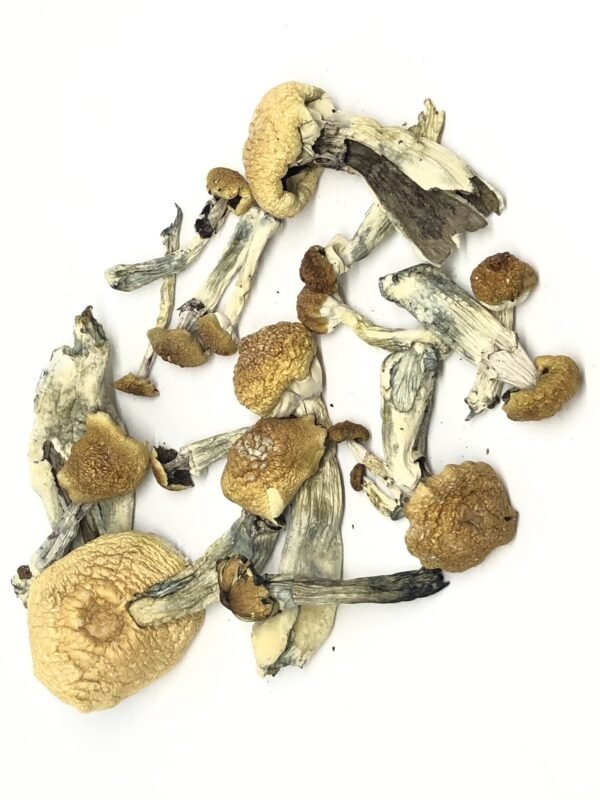
Magic mushrooms are a subject of growing public interest in the United Kingdom, including in Southampton, Hampshire. Discussions about psilocybin—the naturally occurring psychedelic compound found in certain fungi—often involve scientific research, mental health, drug policy and the legal consequences of possession.
However, the legal position in Southampton is the same as in the rest of England and Wales. Magic mushrooms containing psilocybin or psilocin are controlled under the Misuse of Drugs Act 1971 and are classified as Class A drugs.
This guide explains the legal framework, the consequences of possession and supply, the limited provisions relating to certain uncultivated fungi, and the role of authorised scientific research.
1. Are Magic Mushrooms Legal in Southampton?
No. Magic mushrooms containing psilocybin or psilocin are Class A controlled drugs in the United Kingdom.
Their classification is established through the Misuse of Drugs Act 1971, as amended by Section 21 of the Drugs Act 2005. The legislation brought fungi containing psilocin or an ester of psilocin within the Class A drug classification.
This means that Southampton does not have a separate legal framework allowing people to possess or use these mushrooms. National drug legislation applies throughout England, including Southampton.
The law also does not create a general exemption simply because mushrooms are fresh rather than dried.
2. Understanding Psilocybin and Psilocin
Psilocybin and psilocin are naturally occurring compounds found in certain mushroom species. Psilocybin is converted into psilocin in the body, and psilocin is primarily responsible for the psychedelic effects associated with these fungi.
Scientific interest in these compounds has increased, particularly in studies investigating their potential role in mental health treatment. Researchers have explored areas such as depression, psychological distress and other mental health conditions.
Nevertheless, scientific interest does not change the legal classification of psilocybin-containing mushrooms in the UK. Their controlled status remains in force unless the relevant legislation is amended.
3. What Does UK Law Say About Possession?
Under Section 5 of the Misuse of Drugs Act 1971, it is an offence to possess a controlled drug unlawfully.
Because psilocybin-containing fungi are Class A substances, unlawful possession can carry serious consequences.
The maximum penalties for possession of a Class A drug are:
- Up to seven years’ imprisonment.
- An unlimited fine.
- Both imprisonment and a fine.
These are maximum penalties, not automatic sentences. The outcome of an individual case depends on its circumstances, the evidence and the relevant sentencing considerations.
The law applies in Southampton just as it does in London, Birmingham, Manchester and other UK cities.
4. What Are the Penalties for Supplying or Producing Magic Mushrooms?
The law also prohibits the unlawful supply and production of controlled drugs.
Under Section 4 of the Misuse of Drugs Act 1971, offences involving the supply, offering to supply or production of controlled drugs can result in significant penalties.
For a Class A drug, the maximum penalties are:
- Up to life imprisonment.
- An unlimited fine.
- Both imprisonment and a fine.
The precise outcome depends on the offence and the circumstances of the case. The maximum sentence should not be interpreted as the sentence automatically imposed in every case.
5. Do Fresh and Dried Magic Mushrooms Have Different Legal Statuses?
The legal position is frequently misunderstood because some discussions distinguish between fresh and dried mushrooms.
However, the 2005 legislative change brought fungi containing psilocin or an ester of psilocin within the Class A classification. The legal position is not based simply on whether the mushrooms are fresh or dried.
Consequently, it is inaccurate to assume that fresh magic mushrooms are generally legal while dried mushrooms are controlled.
Anyone researching the issue should consult the legislation itself and the accompanying Home Office explanatory material rather than relying on informal online claims.
6. What About Wild Magic Mushrooms in Southampton?
The legal position concerning wild fungi requires careful explanation.
Regulation 4A of the Misuse of Drugs Regulations 2001 contains a limited provision concerning certain fungi containing psilocin or an ester of psilocin. It addresses fungi growing uncultivated and specified circumstances involving picked or held fungi for transfer into lawful custody or destruction.
This is not a general permission to pick, possess, keep or consume wild magic mushrooms.
The provision should therefore not be interpreted as an unrestricted exemption from the controlled-drug laws. Anyone seeking to understand its scope should read the exact wording of Regulation 4A.
7. Can Universities and Researchers Legally Study Psilocybin?
Yes, scientific research involving controlled substances may take place under the appropriate legal authorisations.
The Misuse of Drugs Regulations 2001 place psilocybin and psilocin in Schedule 1. Research involving these substances is therefore subject to strict licensing and regulatory requirements.
Universities, research institutions and other authorised organisations must comply with the relevant legal conditions before conducting regulated research.
In Southampton, as elsewhere in the UK, academic interest in psychedelic compounds does not give individuals or institutions an automatic right to possess or use controlled substances.
8. Psilocybin Research and Mental Health
Psilocybin has attracted attention from researchers investigating new approaches to mental health treatment. Studies have examined its potential in areas including depression and psychological distress.
Institutions such as Imperial College London’s Centre for Psychedelic Research have contributed to the scientific discussion through controlled research.
It is important to distinguish clinical research from ordinary use. Research findings do not establish that psilocybin is suitable for everyone, and experimental treatment is not the same as an approved or generally available medical treatment.
The legal classification also remains separate from scientific developments.
9. How Does Drug Law Apply in Southampton?
Southampton is governed by the same national controlled-drug legislation that applies throughout England and Wales.
Local policing and enforcement take place within the national legal framework. The city does not have its own separate classification system for psilocybin-containing mushrooms.
For residents, students and visitors, the main points are:
- Psilocybin-containing fungi are classified as Class A controlled drugs.
- Unlawful possession is an offence.
- Unlawful supply and production are serious offences.
- Fresh mushrooms are not generally exempt from the law.
- Scientific research requires the relevant legal authorisations.
Understanding these points helps prevent confusion arising from inaccurate online information.
10. Frequently Asked Questions
Are magic mushrooms illegal in Southampton?
Yes. Fungi containing psilocybin or an ester of psilocin are controlled as Class A drugs under UK law. The same national legislation applies in Southampton.
What class of drug are magic mushrooms in the UK?
Magic mushrooms containing psilocybin or psilocin are classified as Class A controlled drugs.
Can someone be imprisoned for possessing magic mushrooms?
Yes. The maximum penalty for unlawful possession of a Class A drug is seven years’ imprisonment, an unlimited fine, or both. The actual outcome depends on the circumstances of the case.
Is supplying magic mushrooms a serious offence?
Yes. Unlawful supply of a Class A drug can carry a maximum penalty of life imprisonment, an unlimited fine, or both.
Are fresh magic mushrooms legal in the UK?
There is no general exemption for fresh mushrooms. The law covers fungi containing psilocin or an ester of psilocin, and the fresh or dried condition does not by itself make them legal.
Can psilocybin be used in scientific research?
Research may be permitted under the relevant licences and regulatory requirements. Psilocybin is listed in Schedule 1 of the Misuse of Drugs Regulations 2001.
Does Southampton have different magic mushroom laws from London?
No. Controlled-drug classification is governed by national legislation. Southampton does not have a separate local law that changes the Class A status of psilocybin-containing fungi.
Conclusion
The legal position on magic mushrooms in Southampton is determined by UK-wide controlled-drug legislation. Fungi containing psilocybin or an ester of psilocin are classified as Class A drugs, and unlawful possession, supply and production can carry serious penalties.
Although scientific research into psilocybin continues to develop, research interest does not remove the legal restrictions. Anyone seeking reliable information should consult official legislation, government guidance and recognised scientific institutions rather than relying on informal claims about the law.
Understanding the distinction between scientific research, legal authorisation and unlawful possession is essential when discussing magic mushrooms in Southampton and across the United Kingdom.
