
Uncategorized
where Magic Mushrooms in Wales: Understanding Psilocybin Laws, Possession and Legal Restrictions
Nov
Introduction
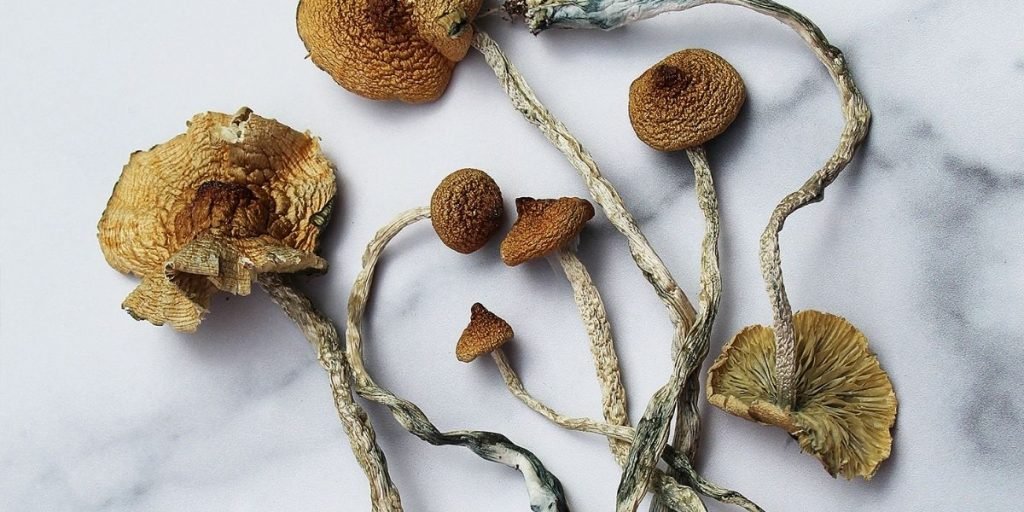
Magic mushrooms are fungi that contain naturally occurring psychedelic compounds, particularly psilocybin and psilocin. These substances can affect perception, mood, thinking and sensory experiences. They have also attracted growing scientific interest because researchers are investigating their possible applications in mental health treatment.
Despite this scientific interest, magic mushrooms are controlled substances under UK law. In Wales, fungi containing psilocin or an ester of psilocin are classified as Class A drugs under the Misuse of Drugs Act 1971, as amended by the Drugs Act 2005.
This classification means that unauthorised possession, supply, production, importation or exportation can lead to criminal consequences. The law applies regardless of whether qualifying mushrooms are fresh, dried or otherwise prepared.
This article explores the legal status of magic mushrooms in Wales, the legislation governing psilocybin, possession offences, potential penalties, wild mushroom regulations and the restrictions surrounding scientific research.
1. Are Magic Mushrooms Legal in Wales?
Magic mushrooms containing psilocin or an ester of psilocin are controlled under UK drug legislation. Their possession, supply and production without appropriate legal authority can constitute criminal offences.
The relevant legislation is the Misuse of Drugs Act 1971. Section 21 of the Drugs Act 2005 amended the law to bring fungi containing psilocin or an ester of psilocin within the controlled-drug framework.
The UK Government identifies magic mushrooms as Class A drugs in its official guidance on drug possession and dealing penalties.
This classification applies in Wales as well as England, Scotland and Northern Ireland. Wales does not have a separate legal classification that makes qualifying magic mushrooms lawful.
The fact that these fungi occur naturally does not exempt them from controlled-drug legislation.
2. Understanding Psilocybin and Psilocin
Psilocybin and psilocin are the main compounds associated with the psychedelic effects of certain mushroom species.
Psilocybin is converted into psilocin in the human body. Psilocin interacts with serotonin receptors in the brain and is associated with changes in perception, mood and cognition.
These compounds are important in discussions about both drug legislation and medical research.
UK legislation specifically addresses fungi containing psilocin or an ester of psilocin. Psilocybin is an ester of psilocin, which is why the legal framework covers mushrooms containing these substances.
Researchers continue to investigate the pharmacological effects of psilocybin, including its potential role in controlled studies involving depression and other mental health conditions.
However, scientific investigation does not change the legal status of unauthorised possession or supply.
3. What Does the Misuse of Drugs Act 1971 Say?
The Misuse of Drugs Act 1971 is the main UK legislation controlling substances that may be misused and cause harm.
It divides controlled drugs into three categories:
- Class A: Includes heroin, cocaine, LSD and magic mushrooms.
- Class B: Includes cannabis, amphetamines and ketamine.
- Class C: Includes substances such as benzodiazepines and anabolic steroids.
Class A is the highest classification in the UK system and carries particularly serious statutory maximum penalties.
The Drugs Act 2005 amended the Misuse of Drugs Act to address the legal position of magic mushrooms. Before this change, the law created a distinction between certain prepared mushrooms and fungi in their natural state.
Section 21 extended the relevant offences to fungi containing psilocin or an ester of psilocin, regardless of their form.
As a result, the legal position in Wales is not determined simply by whether mushrooms have been processed or dried.
4. Are Fresh and Dried Magic Mushrooms Both Illegal in Wales?
Yes. The law does not provide a general exemption for fresh magic mushrooms.
The 2005 amendment was introduced to close the legal gap that had existed around raw, unprepared mushrooms. It extended the relevant controlled-drug provisions to qualifying fungi in different forms.
This means that the legal classification is not limited to dried mushrooms or commercially prepared products.
Fresh mushrooms containing the relevant controlled substances can also fall within the law.
Claims that fresh magic mushrooms are legal while dried mushrooms are illegal are therefore misleading under current UK legislation.
Readers should consult the actual legislation and official government guidance rather than relying on outdated information or informal online discussions.
5. What Counts as Possession of Magic Mushrooms?
Possession is one of the main offences covered by the Misuse of Drugs Act 1971.
Section 5(2) makes it an offence for a person to have a controlled drug in their possession without lawful authority.
Because qualifying magic mushrooms are Class A controlled drugs, unauthorised possession can lead to prosecution.
The circumstances of an allegation may be relevant to how a case is investigated and considered by the courts. Evidence, knowledge, the substance involved and the surrounding circumstances can all matter.
Section 5(3) also addresses possession with intent to supply another person. This is a separate offence from simple possession and can carry much more serious penalties.
A claim that mushrooms were intended only for personal use does not automatically make possession lawful.
6. What Are the Legal Penalties for Possessing Magic Mushrooms in Wales?
Possession of a Class A controlled drug is a serious offence.
According to official UK government guidance, the maximum penalty for possession of a Class A drug is:
- Up to seven years’ imprisonment.
- An unlimited fine.
- Or both imprisonment and a fine.
These are statutory maximum penalties. They do not mean that every person convicted of possession will receive the maximum sentence.
The actual outcome depends on the circumstances of the offence, the available evidence and the applicable sentencing framework.
The Crown Prosecution Service publishes guidance on drug offences, including the legal maximum penalties and offence ranges for controlled substances.
Anyone facing an allegation involving magic mushrooms should seek advice from a qualified criminal defence solicitor.
7. What Are the Penalties for Supplying or Producing Magic Mushrooms?
The law treats supplying and producing controlled drugs more seriously than simple possession.
Under Section 4 of the Misuse of Drugs Act 1971, unlawful production and supply of controlled drugs are offences. Section 5(3) covers possession of a controlled drug with intent to supply it to another person.
For Class A drugs, the statutory maximum penalty for supplying or producing a controlled drug is:
- Life imprisonment.
- An unlimited fine.
- Or both.
These penalties are maximums, not automatic outcomes.
The legislation also covers offering to supply a controlled drug. Therefore, the relevant offences are not limited to situations involving a completed sale.
The legal distinction between possession, possession with intent to supply, supply and production is important when understanding the possible consequences of an alleged offence.
8. Can People Legally Pick Wild Magic Mushrooms in Wales?
Some fungi associated with psychedelic compounds occur naturally in parts of the UK, including Wales. However, natural growth does not automatically make a controlled mushroom legal to collect or possess.
The Misuse of Drugs Regulations 2001 include a limited provision known as Regulation 4A. It concerns certain fungi containing psilocin or an ester of psilocin that are growing uncultivated, and narrowly defined circumstances involving picked or held fungi for transfer into lawful custody or destruction.
This is not a general permission for members of the public to pick, keep, store or consume wild magic mushrooms.
It is important to distinguish between the existence of a specific legal exception and a general exemption from controlled-drug laws. Regulation 4A should not be interpreted as creating the latter.
There are also public-health concerns associated with wild mushroom identification. Some poisonous species can resemble other fungi, and mistaken identification can result in serious poisoning.
For legal and health reasons, people should avoid relying on informal identification claims or online photographs.
9. Can Universities in Wales Conduct Psilocybin Research?
Scientific research involving psilocybin is possible within the UK, but it is subject to strict legal and regulatory requirements.
Psilocybin is included in Schedule 1 of the Misuse of Drugs Regulations 2001. Schedule 1 substances are subject to particularly restrictive controls.
Researchers working with these substances may need a Home Office controlled-drug licence, as well as relevant research ethics approvals and other regulatory permissions.
Research may investigate several areas, including:
- The pharmacological properties of psilocybin.
- The relationship between psychedelic substances and brain activity.
- Possible applications in depression research.
- The safety of supervised psychedelic-assisted therapy.
- The psychological effects of controlled clinical interventions.
The existence of research programmes does not mean that psilocybin is available as an ordinary prescription medicine.
Research permissions are specific and should not be confused with legal authority for members of the public to possess controlled mushrooms.
10. Is Psilocybin an Approved Medical Treatment in Wales?
Scientific research into psilocybin has attracted attention internationally, particularly in relation to depression and other mental health conditions.
However, research findings and clinical trials are not the same as approval for routine medical treatment.
For a medicine to become routinely available in the UK, it must go through the relevant regulatory process, including assessment of its safety, quality and effectiveness.
A UK parliamentary answer published in November 2024 stated that there were no psilocybin-based medicines with a UK marketing authorisation at that time. It also explained that controlled-drug scheduling and medicines licensing are separate parts of the regulatory process.
Consequently, interest in psilocybin-assisted therapy should not be interpreted as evidence that people in Wales can legally obtain magic mushrooms as an approved treatment.
Anyone experiencing mental health difficulties should seek support from an appropriately qualified healthcare professional rather than attempting self-treatment with controlled substances.
11. Does Wales Have Different Drug Laws from England?
Wales and England share the same principal legal framework for controlled drugs under the Misuse of Drugs Act 1971.
This means that qualifying magic mushrooms are Class A drugs in both countries.
There are differences between the devolved responsibilities of the Welsh Government and the UK Government. However, the main controlled-drug classification is established through UK legislation.
The legal framework therefore does not provide a separate Welsh exemption for psilocybin-containing fungi.
Although certain health and public-service responsibilities are devolved, this does not mean that Wales can independently make Class A magic mushrooms legal.
Readers researching drug laws should distinguish between UK-wide controlled-drug legislation and the separate responsibilities of Welsh public institutions.
12. Why Is Accurate Information About Magic Mushroom Laws Important?
Online discussions about magic mushrooms can contain outdated or incomplete information. Some articles discuss medical research, while others focus on wild fungi, personal possession or historical legal changes.
These subjects need to be considered separately.
Accurate information helps readers understand:
- Why qualifying magic mushrooms are classified as Class A drugs.
- Why fresh and dried mushrooms can both fall within the law.
- The difference between possession and supply offences.
- Why the penalties for supply and production can be more serious.
- The limited nature of the Regulation 4A exception.
- Why licensed scientific research does not create general public access.
It is particularly important to use current legal sources because historical explanations of the law may describe the position before the 2005 amendment.
Government publications, legislation, recognised research institutions and legal guidance are more reliable sources than unsupported claims on social media.
Frequently Asked Questions
Are magic mushrooms illegal in Wales?
Yes. Fungi containing psilocin or an ester of psilocin are controlled as Class A drugs under UK legislation, which applies in Wales.
What class of drug are magic mushrooms in Wales?
Qualifying magic mushrooms are Class A controlled drugs under the Misuse of Drugs Act 1971, as amended by the Drugs Act 2005.
Are fresh magic mushrooms legal in Wales?
No general exemption makes fresh magic mushrooms legal. The law covers qualifying fungi regardless of whether they are fresh or dried.
Can someone be imprisoned for possessing magic mushrooms in Wales?
Yes. The maximum penalty for possession of a Class A controlled drug is seven years’ imprisonment, an unlimited fine, or both. The actual sentence depends on the circumstances and the court’s decision.
What happens if someone supplies magic mushrooms?
Unlawful supply of a Class A controlled drug can carry a maximum penalty of life imprisonment, an unlimited fine, or both.
Can people pick wild magic mushrooms in Wales?
There is no general legal permission to pick and keep wild magic mushrooms. Regulation 4A contains only narrowly defined exceptions involving certain uncultivated fungi and lawful custody or destruction.
Can psilocybin be used in scientific research in Wales?
Research may be possible under the relevant controlled-drug licences, ethical approvals and regulatory permissions. Schedule 1 restrictions apply.
Is psilocybin available as a normal prescription treatment in Wales?
Psilocybin research does not automatically make it an approved medicine. A product must go through the appropriate UK medicines regulatory process before it can be routinely prescribed.
Conclusion
Magic mushrooms containing psilocin or an ester of psilocin are classified as Class A controlled drugs in Wales under UK-wide legislation. The Misuse of Drugs Act 1971, as amended by the Drugs Act 2005, provides the main legal framework governing their possession, supply and production.
The law does not create a general distinction between fresh and dried qualifying mushrooms. Possession can carry a maximum penalty of seven years’ imprisonment, while supply and production can carry a maximum of life imprisonment.
Although psilocybin continues to attract scientific interest, research must take place under the relevant legal and regulatory controls. The limited exceptions concerning certain uncultivated fungi should not be mistaken for general permission to collect or possess wild magic mushrooms.
For anyone researching the subject, official legislation, government guidance and recognised scientific sources provide the most dependable starting points.
Next article in this series: Psilocybin and Mental Health Research in Wales: What Does Current Science Say?
