
Uncategorized
Common Mistakes to Avoid When Consuming THC Edibles: A Beginner’s Guide
Nov
Introduction
THC edibles have become a popular form of cannabis consumption, offering alternatives to smoking and vaping. Available in products such as gummies, chocolates, brownies, and infused beverages, they provide a different experience because THC is absorbed through the digestive system.
However, consuming THC edibles requires awareness and caution. Unlike inhaled cannabis, edible products can take considerably longer to produce noticeable effects. This delayed onset can sometimes lead to accidental overconsumption, especially among beginners.
Whether someone is researching cannabis products or learning about their potential effects, understanding common mistakes is important.
In this article, we’ll explore ten common mistakes people make when consuming THC edibles and explain how to recognize and avoid the associated risks.
1. Consuming More Because the Effects Are Delayed
One of the most common mistakes people make with THC edibles is consuming additional amounts because they do not immediately feel anything.
Unlike smoking cannabis, edibles must pass through the digestive system before their effects become noticeable.
This process can take approximately 30 minutes to 2 hours or longer.
Consuming more during this waiting period can result in excessive THC exposure once the effects begin.
How to avoid this mistake:
Understand that delayed effects are normal. Avoid consuming additional THC simply because the initial effects have not appeared.
2. Ignoring the THC Content on Product Labels
Not every THC edible contains the same amount of THC.
Some gummies contain a few milligrams per serving, while other products may contain significantly more.
Ignoring product labels can make it difficult to understand how much THC a product contains.
How to avoid this mistake:
Always examine the packaging and understand:
- THC content per serving.
- Total THC per package.
- Number of servings.
- Product ingredients.
- Safety warnings.
Understanding these details helps prevent confusion about product potency.
3. Confusing Total THC With THC Per Serving
Another common mistake is assuming that the THC amount displayed on a package represents the quantity in one individual edible.
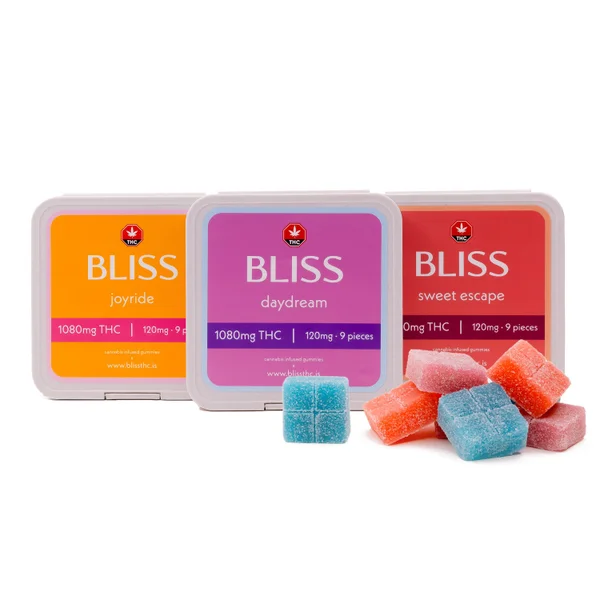
For example, a package may contain 100 mg of THC distributed across ten gummies.
In this example, each equally portioned gummy contains 10 mg of THC.
Confusing these measurements can lead to accidental overconsumption.
How to avoid this mistake:
Check whether the label refers to the total package or an individual serving before interpreting the THC content.
4. Assuming All THC Edibles Work the Same Way
THC gummies, chocolates, brownies, and beverages may contain the same psychoactive compound, but their formulations can differ.
Their absorption and onset times may also vary.
For example, specially formulated cannabis beverages may have different absorption characteristics from traditional baked goods.
How to avoid this mistake:
Do not assume that experiences with one edible product will accurately predict how another product will affect you.
Always read product information and understand that individual responses vary.
5. Mixing THC Edibles With Alcohol
Combining THC with alcohol is another potentially dangerous mistake.
Both substances can impair coordination, judgment, and concentration.
Using them together may increase impairment and make unwanted effects more likely.
Possible effects include:
- Dizziness.
- Nausea.
- Confusion.
- Anxiety.
- Poor coordination.
- Excessive drowsiness.
How to avoid this mistake:
Avoid combining THC edibles with alcohol or other intoxicating substances.
6. Consuming THC Edibles Without Understanding Personal Sensitivity
People respond differently to THC.
Someone with previous cannabis experience may have a different response from someone who has never consumed cannabis.
Individual sensitivity, metabolism, health conditions, and medication use can all influence the experience.
How to avoid this mistake:
Do not assume that another person’s experience or tolerance level predicts your own response.
People who are unfamiliar with THC should understand that even relatively small amounts can produce noticeable effects.
7. Leaving THC Edibles Where Children or Pets Can Reach Them
THC gummies and chocolates can look similar to ordinary sweets.
This creates a serious accidental ingestion risk, particularly for children and pets.
Children may mistake cannabis gummies for regular candy, while animals may consume discarded edible products.
Accidental THC ingestion can cause serious poisoning.
How to avoid this mistake:
- Store products in locked locations.
- Keep them in their original packaging.
- Use child-resistant containers.
- Keep them away from ordinary snacks.
- Never leave cannabis products unattended.
- Dispose of unwanted products securely.
If a child or pet accidentally consumes THC, seek immediate professional medical or veterinary advice.
8. Driving After Consuming THC Edibles
THC can impair reaction time, coordination, attention, and decision-making.
Because edible effects can last several hours, someone may remain impaired longer than expected.
Driving while under the influence of THC puts the consumer and other road users at risk.
How to avoid this mistake:
Never drive or operate machinery while impaired. Do not rely on how alert you feel to determine whether you are safe to drive.
9. Choosing Products Based Only on Their Appearance
THC edibles are often packaged in colorful wrappers and attractive designs.
However, attractive packaging does not guarantee product quality, accurate labeling, or safety.
Some products may contain misleading information or unverified THC concentrations.
How to avoid this mistake:
Pay attention to product transparency, ingredient information, labeling, and independent laboratory testing where available.
Avoid products with unclear THC information or questionable manufacturing details.
10. Ignoring Unpleasant or Unexpected Effects
Some people assume that all THC experiences will be relaxing or enjoyable.
However, THC can produce unwanted psychological and physical effects.
These may include:
- Anxiety.
- Panic.
- Paranoia.
- Increased heart rate.
- Dizziness.
- Nausea.
- Confusion.
- Excessive sleepiness.
Ignoring these symptoms or consuming more THC can make the situation worse.
How to avoid this mistake:
Stop consuming THC if unpleasant effects occur. Remain in a calm, safe environment and seek assistance from a trusted sober person.
Seek emergency medical care for severe symptoms such as chest pain, breathing difficulties, seizures, or loss of consciousness.
11. Not Understanding How Long THC Edibles Can Last
Another mistake is assuming that edible effects disappear quickly.
THC edibles generally produce longer-lasting effects than inhaled cannabis.
Noticeable effects may last approximately 4–12 hours or longer, depending on the product and individual.
Some people may also experience lingering tiredness or impaired concentration after the main effects have faded.
How to avoid this mistake:
Understand the potential duration before consuming THC. Avoid scheduling activities that require concentration, coordination, or responsible decision-making while effects may still be present.
12. Ignoring Local Cannabis Laws
Cannabis regulations differ significantly between countries and regions.
Some jurisdictions permit certain cannabis products, while others restrict or prohibit their possession, sale, or consumption.
Assuming THC edibles are legal everywhere can create legal problems.
How to avoid this mistake:
Research the laws that apply to your location before purchasing, possessing, or consuming cannabis products.
Tips for a More Informed Approach to THC Edibles
Understanding common mistakes is only one part of cannabis education.
Here are several important principles:
- Learn how edible THC is absorbed and processed.
- Understand THC quantities and product labeling.
- Recognize that effects can be delayed.
- Avoid combining cannabis with alcohol.
- Never drive while impaired.
- Keep products away from children and pets.
- Be aware of possible adverse effects.
- Seek medical advice when necessary.
- Purchase only from legally authorized and regulated sources where permitted.
- Remember that cannabis is not suitable for everyone.
Conclusion
THC edibles offer a different cannabis experience compared with smoking or vaping, but they also come with unique risks.
Common mistakes include consuming additional THC too soon, ignoring product labels, confusing total THC with serving amounts, mixing cannabis with alcohol, and failing to store products safely.
Understanding these risks can help people make more informed decisions and recognize potentially dangerous situations.
The most important lesson is that THC edibles should never be treated like ordinary candy or snacks. Education, awareness, responsible storage, and attention to personal safety should always come first.
Frequently Asked Questions (FAQs)
1. What is the most common mistake people make with THC edibles?
Consuming additional THC because the initial effects have not appeared is one of the most common mistakes.
2. Why should you avoid eating too many THC gummies?
Excessive THC consumption can cause anxiety, panic, dizziness, nausea, confusion, and other unpleasant effects.
3. Can you mix THC edibles with alcohol?
Combining THC and alcohol can increase impairment and unpleasant effects. Avoid using them together.
4. Can THC edibles affect driving ability?
Yes. THC can impair coordination, reaction time, concentration, and judgment. Never drive while impaired.
5. Why is THC edible storage important?
THC gummies and chocolates can resemble ordinary sweets. Secure storage helps prevent accidental consumption by children and pets.
6. How long should THC edible effects last?
Effects commonly last around 4–12 hours, although some people may experience longer-lasting or lingering effects.
7. What should someone do after consuming too much THC?
Avoid further consumption, remain in a safe environment, and seek professional medical advice when necessary. Severe symptoms require emergency medical attention.
8. Are THC edibles suitable for everyone?
No. THC may pose particular risks to adolescents, pregnant or breastfeeding individuals, and people with certain medical or mental health conditions.
