
Comatose Cannabis Strain: Appearance, Aroma, Reported Effects and Safety Guide
Introduction
Comatose is a name associated with certain cannabis varieties, including Comatose OG. It is commonly described in cannabis strain references as an indica-type cultivar associated with relaxing and potentially sedating effects. However, the name alone does not establish a plant’s genetics, cannabinoid concentration, or actual effects.
This educational guide explores the reported characteristics of Comatose cannabis, its aroma and flavour descriptions, THC and CBD considerations, potential health risks, and relevant UK legal information. It also explains why strain descriptions should be treated as general information rather than medical evidence.
What Is the Comatose Cannabis Strain?
Comatose OG, sometimes shortened to Comatose, is described by cannabis reference sources as an indica-dominant variety associated with OG Kush genetics. Some references describe its parentage as OG Kush crossed with another, less clearly identified cultivar.
Because cannabis genetics and naming practices vary between growers and suppliers, this lineage should be considered reported information rather than independently verified fact. Different products carrying the Comatose name may have different characteristics.
For accurate identification, laboratory testing and reliable product documentation are more informative than a strain name or online description.
Comatose Cannabis Appearance
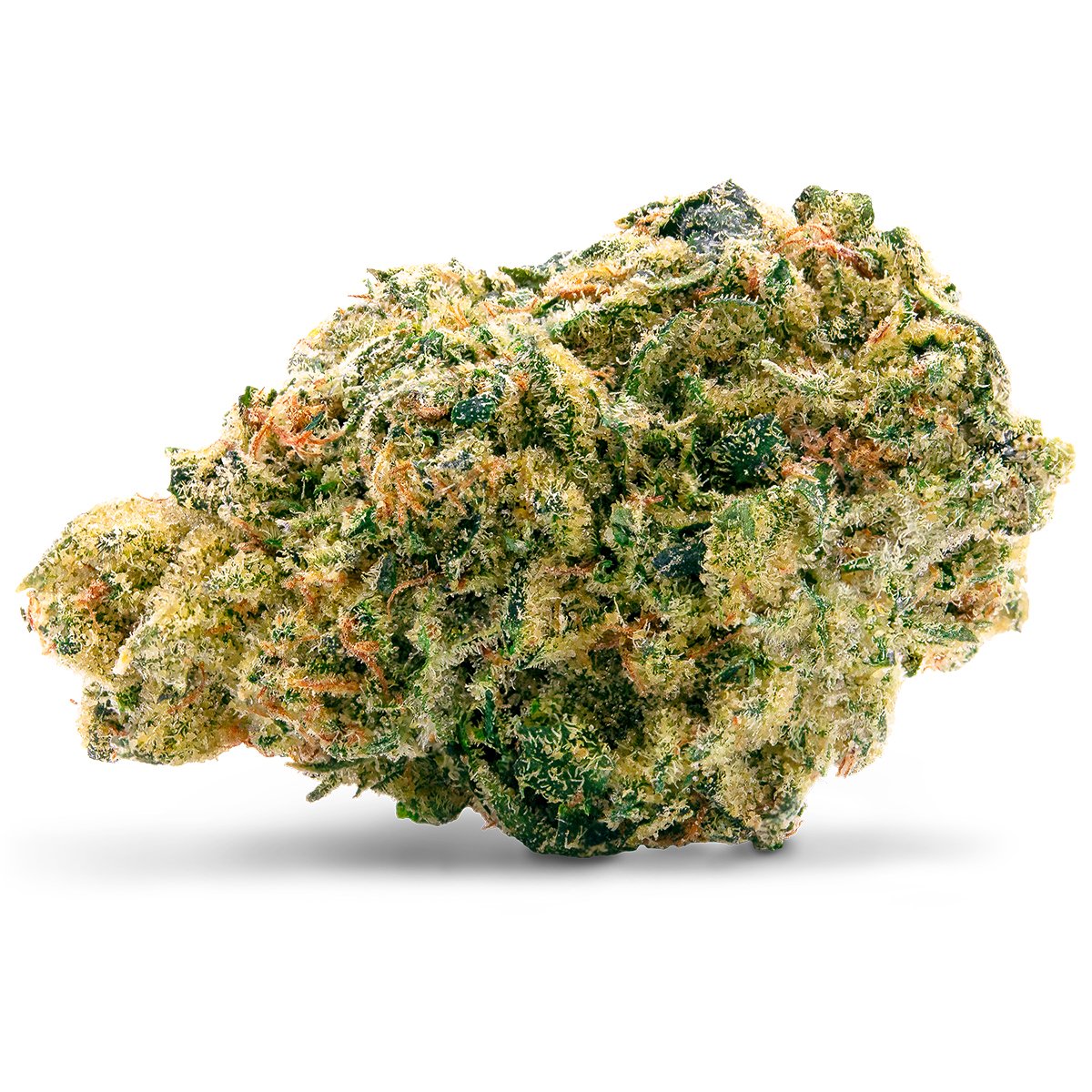
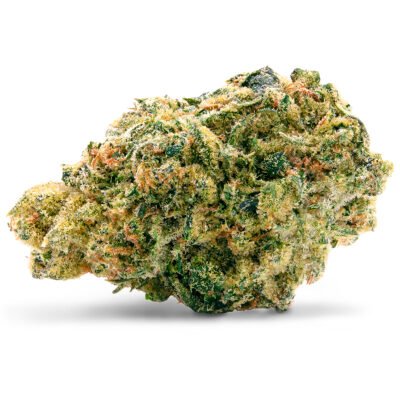
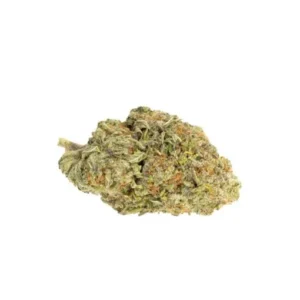
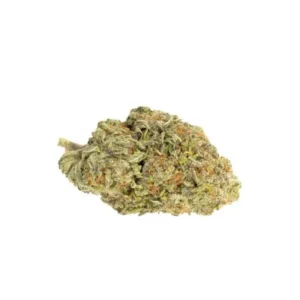
Descriptions of Comatose OG commonly refer to dense, resinous cannabis flowers. Depending on the particular plant and growing conditions, the buds may display shades of green, visible trichomes, and orange or amber-coloured pistils.
These visual characteristics are not unique to Comatose. Appearance can be affected by genetics, cultivation methods, maturity, drying, storage, and processing. Photographs alone cannot confirm a product’s strain identity, THC level, CBD content, or purity.
Aroma and Flavour Profile
Online descriptions of Comatose OG frequently mention earthy, pine-like, diesel, musky, or menthol-associated notes. These are subjective descriptions and may not be consistent across different samples.
Aroma in cannabis is influenced partly by volatile compounds called terpenes. Terpene profiles can differ between plants, even when they are sold under the same strain name.
A reliable chemical analysis is needed to identify the compounds present in an individual sample. A familiar scent does not prove that a product contains a particular terpene or has a specific potency.
Reported Effects of Comatose
Comatose OG is often described in consumer strain references as relaxing or sleep-inducing. Some descriptions also mention feelings of heaviness, reduced alertness, or a tingling sensation.
These reports are anecdotal. The effects of cannabis vary according to THC concentration, the amount consumed, individual sensitivity, previous cannabis exposure, other substances, and the method of use.
Possible short-term effects
Cannabis containing THC can affect:
- Attention, memory, and decision-making.
- Coordination and reaction time.
- Perception of time and surroundings.
- Mood, anxiety, and emotional responses.
- Heart rate and blood pressure.
Some people experience relaxation, while others may experience anxiety, panic, confusion, or paranoia. A product described as sedating should not be assumed to produce the same response in every person.
THC and CBD Content
There is no single verified THC or CBD percentage that applies to every product sold as Comatose. Potency can differ between batches and producers.
THC is the primary intoxicating cannabinoid in cannabis. CBD is another cannabinoid that does not produce the same intoxicating effects as THC, although CBD products can have their own safety concerns and may interact with medicines.
Do not rely on a strain name, appearance, or seller description to determine cannabinoid concentration. Where cannabis products are legally available, independently verified laboratory results provide more useful information about their measured composition.
Terpenes and Cannabis Chemistry
Terpenes contribute to the aromas of many plants, including cannabis. Pine-like, earthy, citrus, herbal, and fuel-like descriptions are often used to communicate perceived differences between cannabis varieties.
Although terpenes are studied for their biological properties, the aroma or presumed terpene profile of Comatose does not establish a therapeutic benefit. Claims about a particular strain’s chemistry should be supported by analysis of the specific sample rather than general strain descriptions.
Potential Health Risks and Side Effects
Cannabis use is associated with several potential risks, and stronger THC exposure may increase the likelihood of unpleasant effects. The US Centers for Disease Control and Prevention explains that cannabis can impair memory, attention, coordination, and reaction time. It can also affect heart rate and may contribute to cannabis use disorder.
Possible adverse effects include:
- Anxiety, panic, or paranoia.
- Dizziness, confusion, or impaired coordination.
- Problems with attention and short-term memory.
- Increased heart rate.
- Dependence or difficulty controlling use.
- Respiratory harm from smoking cannabis.
Cannabis use is also associated with mental health concerns, including psychosis risk, particularly among people who begin using it at a young age or use it frequently. Association does not mean every user will develop a mental health condition, but it is an important consideration.
Is Comatose a Medical Treatment?
A cannabis strain’s name or reputation does not establish that it can treat insomnia, anxiety, depression, chronic pain, or any other medical condition. Consumer reports are not a substitute for clinical trials.
Certain regulated cannabis-based medicines may be prescribed for specific circumstances in some jurisdictions. Their use should be assessed by a qualified healthcare professional, taking into account the evidence, possible benefits, risks, and interactions with other medicines.
Anyone experiencing persistent sleep difficulties, anxiety, pain, or other health concerns should seek appropriate medical advice rather than relying on a strain description.
Comatose Cannabis and UK Law
In the United Kingdom, cannabis is generally controlled as a Class B drug under the Misuse of Drugs Act 1971. Unauthorised possession, production, supply, importation, and exportation are prohibited, subject to applicable statutory exceptions.
Some cannabis-based medicinal products can be lawfully prescribed by specialist doctors under specific legal requirements. This limited medical pathway does not make recreational cannabis generally legal.
The legal status of a product depends on its composition, classification, circumstances, and applicable law. Anyone uncertain about a particular product should consult current official government guidance or obtain independent legal advice.
Cannabis Safety Considerations
Cannabis can impair judgement and coordination. Do not drive or operate machinery while impaired, and do not combine cannabis with alcohol or other intoxicating substances.
Avoid cannabis during pregnancy and breastfeeding. People with a history of psychosis or other significant mental health concerns, cardiovascular conditions, or medicines that may interact with cannabinoids should discuss relevant risks with a qualified healthcare professional.
Keep cannabis and cannabinoid products secured away from children and pets. If someone develops severe confusion, chest pain, difficulty breathing, or another serious reaction after using cannabis, seek urgent medical assistance.
Frequently Asked Questions
What is Comatose cannabis?
Comatose is a name used for cannabis varieties, including Comatose OG. It is commonly described as indica-type cannabis, but the name does not guarantee a specific genetic background or chemical composition.
Is Comatose an indica or a sativa?
Comatose OG is commonly described in strain references as indica or indica-dominant. These labels are broad commercial classifications and do not reliably predict an individual’s response.
What does Comatose cannabis smell like?
Descriptions commonly include pine, earthy, diesel, musky, or menthol-like notes. The actual aroma varies by sample and cannot confirm strain identity.
Does Comatose contain high levels of THC?
THC content varies by product and batch. A laboratory report for the specific sample is needed to establish its measured concentration.
Can Comatose treat insomnia or anxiety?
There is insufficient evidence to conclude that the Comatose strain itself treats insomnia or anxiety. Cannabis can also worsen anxiety or cause other adverse effects in some people.
Is Comatose cannabis legal in the UK?
Recreational cannabis is generally illegal in the UK. Specific cannabis-based medicines may be prescribed under controlled legal conditions, but this is not general permission to possess or supply cannabis.
Conclusion
Comatose, particularly Comatose OG, is described in cannabis references as a variety associated with relaxing effects and pine-like, earthy, or diesel aromas. However, reported characteristics are not a guarantee of identity, potency, or individual response.
For educational and health-related research, the most reliable approach is to distinguish consumer descriptions from verified laboratory data and clinical evidence. Understanding cannabis’s possible effects, health risks, and legal restrictions is essential when evaluating information about any named cannabis variety.
Disclaimer: This article is for educational purposes only. It does not provide medical advice, establish the identity or potency of a cannabis product, or claim that a cannabis strain can diagnose, prevent, treat, or cure a disease.
| Amount | 14G, 28G, 56G |
|---|
Be the first to review “Buy Comatose WEED UK”
Related products
PREMIUM FLOWERS
PREMIUM FLOWERS
PREMIUM FLOWERS
PREMIUM FLOWERS
PREMIUM FLOWERS
PREMIUM FLOWERS
PREMIUM FLOWERS
PREMIUM FLOWERS
Reviews
There are no reviews yet.