
DMT 1mL Purecybin – 700mg DMT: UK Safety, Legal Status and Educational Guide
Introduction
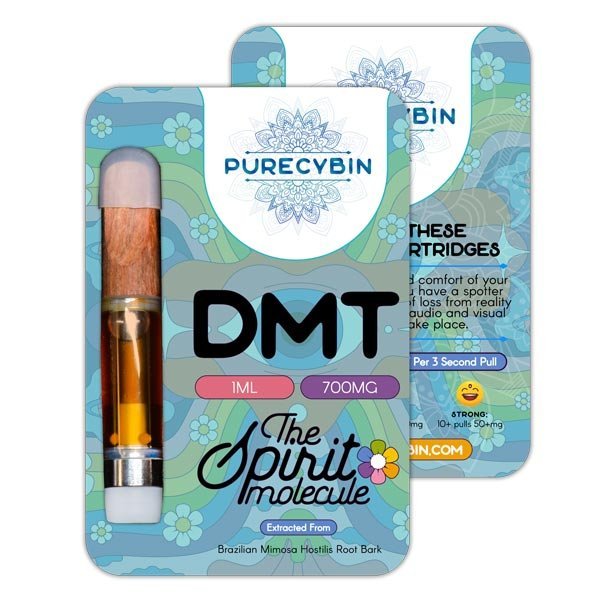
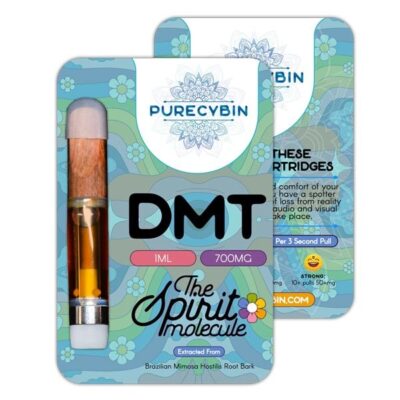
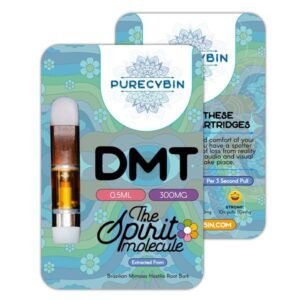
DMT, short for N,N-Dimethyltryptamine, is a potent psychedelic compound associated with substantial changes in perception, mood, sensory experience, and awareness. The name DMT 1mL Purecybin – 700mg DMT appears to describe a product listing that states a liquid volume of 1mL and an amount of 700mg of DMT. However, these label claims have not been independently verified.
This guide provides educational information about DMT, explains the difference between liquid volume and stated substance content, and discusses potential health risks, product-verification concerns, and UK legal considerations. It does not endorse the product or establish that its contents are authentic or safe.
What Is DMT?
N,N-Dimethyltryptamine is a psychedelic substance that can occur naturally in certain plants and can also be synthesised. It affects serotonin-related signalling in the brain and may produce profound changes in perception, cognition, emotion, and the experience of reality.
Reported effects can include:
- Altered visual and sensory perception.
- Changes in the perception of time and surroundings.
- Intense emotional experiences.
- Confusion or a disrupted sense of self.
- Anxiety, panic, or frightening perceptual experiences.
Effects vary according to the substance, formulation, route of exposure, and individual circumstances. A product label cannot reliably predict how a person may react.
Understanding the 1mL and 700mg Product Label
The terms in the product name describe two different measurements:
- 1mL: A stated volume of liquid.
- 700mg: A stated mass of a substance.
If a label were accurate and 700mg of DMT were present in a total volume of 1mL, that would correspond mathematically to a nominal concentration of 700mg/mL. This calculation is conditional on the label being accurate; it is not evidence that the product actually contains that amount or concentration.
The product name alone cannot verify chemical identity, purity, formulation, or consistency. Branding and packaging are not substitutes for credible, independent laboratory analysis.
Potential Health Risks of DMT
DMT can cause intense psychological and perceptual effects. Possible adverse reactions include panic, agitation, disorientation, confusion, and difficulty distinguishing an altered perception from the surrounding environment.
Physical effects may include increased heart rate, elevated blood pressure, dizziness, and nausea. Risks may be greater for people with cardiovascular conditions or certain psychiatric vulnerabilities.
When a product’s composition is unknown, additional concerns include:
- Unverified ingredients: The contents may differ from the description.
- Uncertain concentration: The stated amount may not accurately reflect the contents.
- Inhalation hazards: An unverified liquid or its heated emissions may expose the lungs to harmful substances.
- Unexpected interactions: Combining psychoactive substances or certain medicines may increase risks.
- Impaired judgment: Intense perceptual changes can increase the risk of accidents and unsafe decisions.
A product’s advertised strength should not be treated as proof of its actual potency or safety.
DMT, Mental Health, and Psychological Effects
Psychedelic experiences can be distressing or overwhelming. Some people report intense fear, paranoia, confusion, or persistent anxiety after an experience. People with a personal or family history of psychosis or mania may face additional concerns.
Scientific research into psychedelic substances and potential therapeutic applications is ongoing. Findings from carefully supervised research cannot automatically be applied to unregulated products with unknown ingredients or concentrations.
Anyone experiencing continuing psychological distress after suspected exposure should seek professional medical advice.
DMT Legal Status in the United Kingdom
DMT is generally classified as a Class A controlled drug under the UK’s Misuse of Drugs Act 1971. Legal restrictions may apply to activities including possession and supply, subject to the applicable law and circumstances.
A product’s commercial name, packaging, or online listing does not exempt it from drug-control legislation. Anyone researching the legal position should consult current official guidance rather than relying on a seller’s claims.
Official resources:
This information is educational and is not legal advice.
How to Evaluate Claims About Psychedelic Products
When researching a product described as containing DMT, distinguish between a seller’s statement and independently established facts. A product name or numerical strength claim does not confirm:
- The identity of the active ingredient.
- The accuracy of the stated amount.
- The presence or absence of contaminants.
- The suitability of the formulation for inhalation.
- The manufacturer’s identity or quality-control standards.
Without reliable verification, the product’s composition and associated risks remain uncertain. This article does not independently confirm the authenticity, ingredients, concentration, or safety of the product named Purecybin.
When to Seek Emergency Medical Help
Urgent medical attention is important if someone exposed to a suspected psychedelic develops chest pain, difficulty breathing, a seizure, loss of consciousness, severe agitation, or confusion that creates an immediate danger.
In the UK, call 999 in a medical emergency. Share any available information about the suspected substance with emergency professionals, and do not delay treatment while attempting to identify the product.
Frequently Asked Questions
What is DMT 1mL Purecybin – 700mg DMT?
It is a product name that appears to claim a 1mL liquid volume and 700mg of DMT. These details have not been independently verified.
What does 700mg in 1mL mean?
If both figures accurately describe the product, the implied concentration would be 700mg per mL. The arithmetic does not establish that the stated contents are genuine or accurate.
Is the product’s purity confirmed by its name?
No. A brand or product listing cannot independently establish purity, authenticity, or the absence of contaminants.
Is DMT legal in the UK?
DMT is generally controlled as a Class A drug under UK law. Consult current legislation and official guidance for the relevant restrictions.
What are the potential risks of DMT?
Potential risks include intense perceptual changes, anxiety, panic, confusion, increased heart rate, and elevated blood pressure. Unknown product ingredients can introduce additional hazards.
Does a stated strength guarantee predictable effects?
No. Labels may be inaccurate, and effects can vary according to the actual substance, formulation, route of exposure, and individual factors.
Conclusion
DMT 1mL Purecybin – 700mg DMT can be discussed as a subject of psychedelic education, product-label interpretation, health awareness, and UK drug legislation. The stated volume and mass are claims in the product name, not independent proof of the product’s contents, concentration, or safety.
Reliable educational content should distinguish verified evidence from unconfirmed product claims and prioritise health awareness, scientific context, and compliance with applicable laws.
Be the first to review “DMT 1ml Purecybin – 700mg DMT”
Related products
Dmt
Reviews
There are no reviews yet.