
MDMA Ecstasy Molly Online: Effects, Health Risks and UK Legal Status
Introduction
MDMA, ecstasy, and Molly are terms commonly associated with a psychoactive substance known as 3,4-methylenedioxymethamphetamine. Online searches for these terms may lead to product listings, discussion forums, health information, or claims about substances marketed as MDMA.
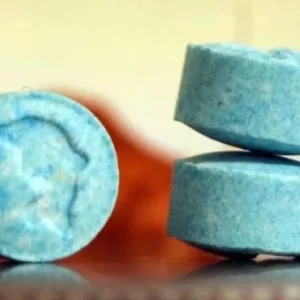
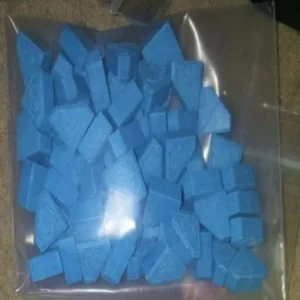
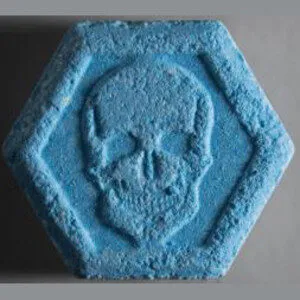
However, an online description, product photograph, brand name, or seller’s claim cannot establish a substance’s identity, purity, strength, or safety. Products advertised as ecstasy or Molly may contain different substances or undisclosed ingredients.
This educational guide examines MDMA terminology, potential effects, online product-verification concerns, health risks, and the legal position in the United Kingdom.
What Do MDMA, Ecstasy, and Molly Mean?
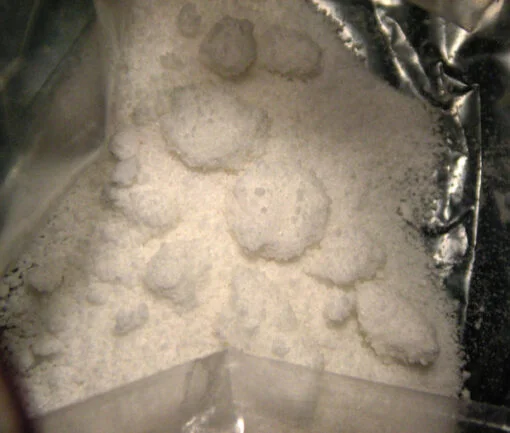
MDMA is the scientific name for 3,4-methylenedioxymethamphetamine. Ecstasy commonly refers to tablets marketed as containing MDMA, while Molly is an informal term often associated with MDMA in powder or crystalline form.
These terms are not guarantees of chemical composition. Products sold under any of these names may vary in their contents, and some may contain other psychoactive substances.
The appearance or format of a product cannot reliably confirm what it contains. Chemical identity and purity require appropriate analytical evidence.
How Does MDMA Affect the Body?
MDMA affects several neurotransmitter systems in the brain, particularly serotonin signalling. It can influence mood, energy, sensory perception, and feelings of emotional closeness.
Reported effects include:
- Increased energy and alertness.
- Changes in mood and sensory perception.
- Feelings of sociability or emotional warmth.
- Increased heart rate and blood pressure.
- Sweating, jaw tension, nausea, and sleep difficulties.
MDMA can also cause anxiety, panic, agitation, confusion, and other unwanted effects. Individual responses vary, and the risks are less predictable when a product’s contents are unknown.
Health Risks Associated With Ecstasy and Molly
MDMA can cause serious complications, including overheating, cardiovascular strain, dangerously low blood sodium levels, and seizures. Severe toxicity can be life-threatening.
Other potential effects include sleep disruption, low mood, anxiety, and difficulties concentrating after the immediate effects have passed.
Important health concerns include:
- Overheating: Body temperature can rise dangerously, particularly during prolonged physical activity or in hot environments.
- Cardiovascular effects: Increased heart rate and blood pressure can place stress on the body.
- Fluid-balance disturbances: MDMA may interfere with the body’s regulation of water and sodium.
- Psychological distress: Panic, agitation, and confusion may occur.
- Uncertain ingredients: Products with unverified contents can introduce additional and unpredictable risks.
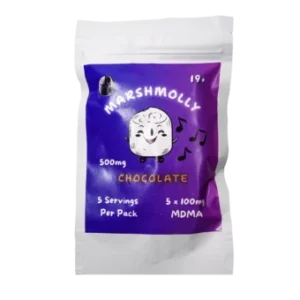
A product advertised online should not be assumed safe because it has a familiar name or professional-looking packaging.
MDMA Ecstasy Molly Online: Understanding Product Claims
Online listings may use terms such as “pure MDMA,” “premium Molly,” or “tested ecstasy.” Such statements are claims, not independent proof of a product’s contents.
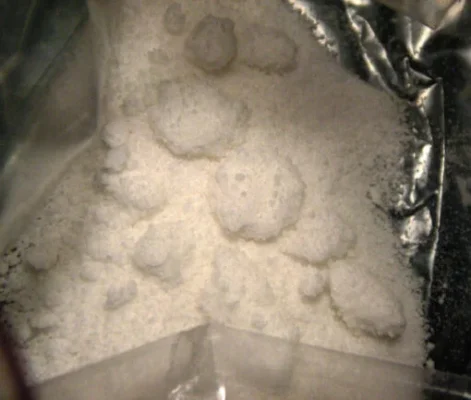
When researching MDMA online, readers should distinguish between educational resources and advertisements that encourage purchases. A photograph, review, customer testimonial, or seller-provided description cannot reliably establish chemical composition or safety.
This article does not verify any seller, website, brand, or product advertised as MDMA, ecstasy, or Molly.
Mental Health and MDMA
MDMA can affect mood and emotional processing. Some people experience anxiety, irritability, low mood, or sleep problems after exposure. Psychological reactions may be particularly concerning for individuals with certain mental-health vulnerabilities.
MDMA may also interact with medicines and other psychoactive substances. Combining substances can make their effects more unpredictable and increase the risk of adverse reactions.
Anyone experiencing persistent psychological symptoms following a suspected exposure should seek professional medical advice.
Is MDMA Legal in the United Kingdom?
MDMA is generally classified as a Class A controlled drug under the UK’s Misuse of Drugs Act 1971. Legal restrictions may apply to possession, supply, and other activities involving controlled substances.
The internet does not change these restrictions. A product being listed on a website, advertised through social media, or described as a research product does not automatically make it lawful.
The legal position depends on the substance and the circumstances. Consult current official legislation for details rather than relying on online seller claims.
Official resources:
This information is educational and does not constitute legal advice.
Recognising an MDMA-Related Emergency
An adverse reaction to MDMA or an unidentified substance may require immediate medical treatment.
Warning signs include:
- Severe overheating or a very high body temperature.
- Seizures or loss of consciousness.
- Chest pain or difficulty breathing.
- Severe confusion or extreme agitation.
- Collapse or inability to respond normally.
In the UK, call 999 for a medical emergency. Tell emergency responders what is known about the suspected exposure, and do not delay treatment while trying to identify the substance.
Frequently Asked Questions
What is MDMA?
MDMA is a psychoactive substance that affects mood, perception, energy, and other functions through changes in neurotransmitter activity.
Are ecstasy and Molly the same thing?
The terms are commonly associated with MDMA, but they do not guarantee that a particular product contains MDMA or has a consistent composition.
Can online sellers guarantee that MDMA is pure?
A seller’s statement alone cannot verify purity, strength, or the absence of contaminants. Independent analytical evidence is needed to establish chemical composition.
What are the main risks of MDMA?
Potential risks include overheating, increased heart rate, elevated blood pressure, fluid-balance complications, anxiety, confusion, and seizures.
Is MDMA legal in the UK?
MDMA is generally controlled as a Class A drug under UK law. Consult current legislation for the applicable restrictions.
What should someone do if a suspected MDMA emergency occurs?
Seek emergency medical assistance for severe overheating, seizures, collapse, chest pain, breathing difficulties, or serious confusion. In the UK, call 999.
Conclusion
MDMA, ecstasy, and Molly are widely used terms in discussions about psychoactive substances, but the terminology does not guarantee a product’s chemical identity or safety. Online product claims should be treated cautiously, especially when they cannot be independently verified.
Educational content about MDMA should prioritise scientific evidence, health-risk awareness, reliable public-health resources, and understanding of applicable drug legislation.
| AMOUNT | 2g, 4g, 8g |
|---|
Be the first to review “MDMA Ecstasy Molly”
Related products



Reviews
There are no reviews yet.