
Uncategorized
How Much dose Magic Mushrooms cost in Manchester: What UK Law Says About Possession, Supply and Cultivation
Nov
Magic mushrooms are frequently discussed in conversations about psychedelic experiences, mental health research and changing attitudes towards controlled substances. However, their legal status in Manchester remains governed by strict UK drug legislation.
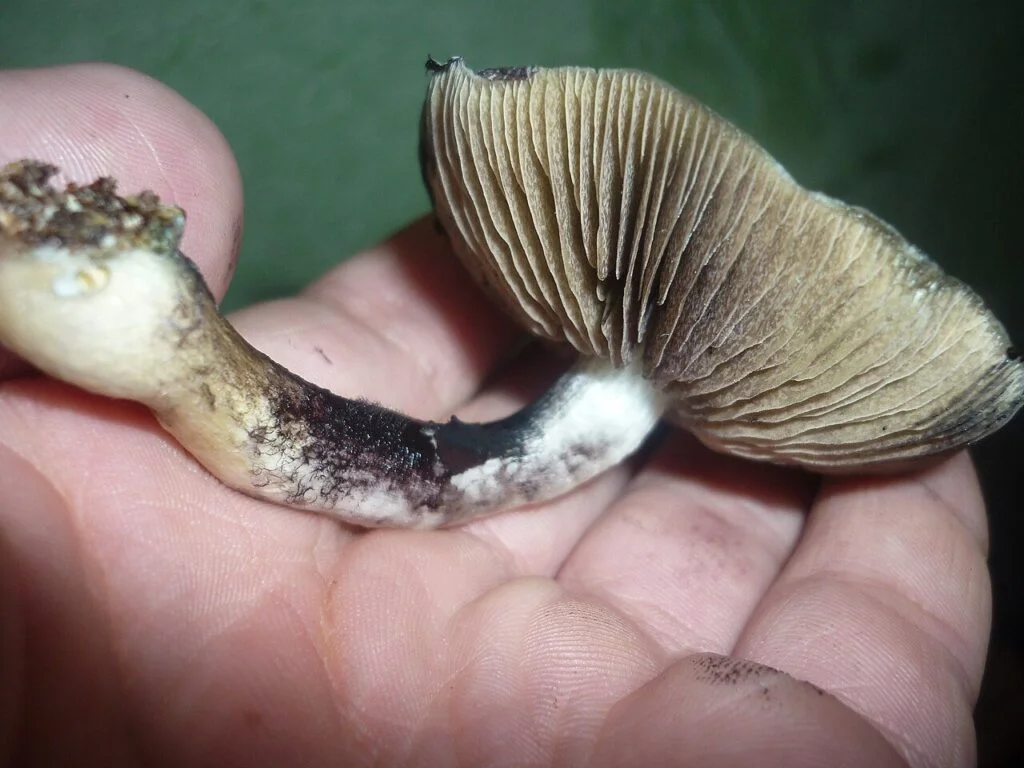
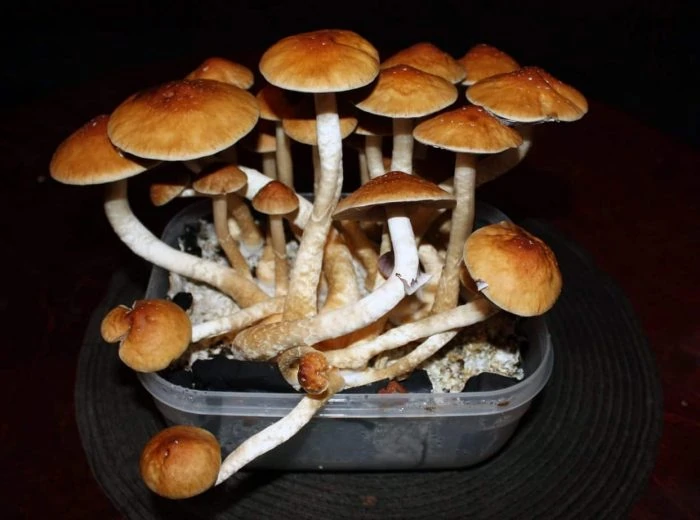
Whether someone lives in Manchester city centre, Salford, Didsbury, Rusholme, Stockport or another part of Greater Manchester, the same national drug laws apply. Psilocybin-containing mushrooms are controlled as Class A drugs, and unauthorised possession, supply and production can lead to serious legal consequences.
This educational guide explains what UK law says about magic mushrooms, how possession and supply offences are treated, what the legislation means for cultivation, and how authorised scientific research differs from recreational activity.
1. Are Magic Mushrooms Legal in Manchester?
No. Magic mushrooms containing psilocybin or psilocin are controlled under UK law as Class A drugs. The classification applies in Manchester and throughout the UK.
The UK Government’s official drug penalties guidance specifically includes magic mushrooms among Class A drugs. This means that possessing, supplying or producing them without the appropriate legal authority can constitute a criminal offence.
The main legislation is the Misuse of Drugs Act 1971, which establishes the UK’s controlled-drug framework.
There is no general recreational-use exemption for Manchester residents. A private setting, social gathering or personal-use explanation does not automatically make possession lawful.
2. Why Are Magic Mushrooms Classified as Class A Drugs?
Magic mushrooms are fungi that can contain psilocybin and psilocin, naturally occurring psychedelic compounds. Psilocybin is converted into psilocin in the body. These compounds interact with serotonin receptors and can affect perception, mood, thought patterns and the experience of time.
The legal classification is based on the controlled substances contained in the fungi.
Section 21 of the Drugs Act 2005 clarified the legal position by extending controls to fungi containing psilocin or an ester of psilocin. This addressed the previous distinction between certain fresh mushrooms and mushrooms that had been prepared or dried.
The change made the law clearer: qualifying mushrooms are controlled because of their chemical contents, not simply because they have been processed into a particular form.
The UK Parliament’s 2005 statement on magic mushrooms records the government’s explanation of the legislative change.
3. Are Fresh and Dried Magic Mushrooms Both Illegal?
Yes. A common misconception is that fresh magic mushrooms are legal while dried mushrooms are illegal. This does not reflect the current general legal position.
Before the 2005 change, the treatment of fresh mushrooms created uncertainty because the law had previously focused on preparations or products containing controlled substances. Section 21 of the Drugs Act 2005 extended the relevant controls to fungi containing psilocin or an ester of psilocin.
As a result, both fresh and dried mushrooms containing the controlled substances can fall within Class A drug legislation.
The explanatory material accompanying the 2005 legislation explains the purpose of this change.
4. What Does UK Law Say About Possessing Magic Mushrooms in Manchester?
Possession of controlled magic mushrooms can result in prosecution under the Misuse of Drugs Act 1971.
The maximum penalty for possession of a Class A drug is:
- Up to seven years’ imprisonment.
- An unlimited fine.
- Or both imprisonment and a fine.
The maximum penalty is not necessarily the sentence imposed in every case. Courts consider the evidence, the circumstances of the offence, the person’s history and other relevant factors.
The GOV.UK drug penalties guide provides an overview of the maximum penalties and explains that penalties depend on the circumstances.
The Crown Prosecution Service also publishes guidance on drug offences and sentencing.
5. What Are the Laws on Supplying Magic Mushrooms?
Supplying controlled magic mushrooms is a serious offence under UK drug legislation.
Supply is not limited to commercial sales. Depending on the circumstances, sharing or distributing a controlled drug can also amount to supply. The fact that no money changes hands does not automatically remove the legal risk.
For Class A drugs, the maximum penalty for supply is life imprisonment, an unlimited fine, or both.
The law also covers possession with intent to supply. Whether the evidence supports such a charge depends on the facts of the case and the applicable legal tests.
The Crown Prosecution Service guidance on drug offences explains the legal framework for possession, possession with intent to supply and supply offences.
6. Is Growing or Cultivating Magic Mushrooms Legal in Manchester?
Cultivation and production raise separate legal concerns from simple possession.
Under the Misuse of Drugs Act 1971, production of a controlled drug is an offence unless the activity is authorised by law. The legislation and associated regulations also provide a licensing framework for certain activities involving controlled substances.
Because fungi containing psilocin are controlled, deliberately cultivating them can create a risk of committing a production offence. The exact legal assessment depends on the substance, activity and circumstances.
The maximum penalty for production of a Class A drug is life imprisonment, an unlimited fine, or both.
It is therefore inaccurate to assume that growing mushrooms at home is automatically lawful because they are fungi or because the activity takes place on private property.
For the relevant legal provisions, consult the Misuse of Drugs Act 1971, the Misuse of Drugs Regulations 2001 and the official government penalties guidance.
7. Does Manchester Have Its Own Magic Mushroom Laws?
No separate Manchester rule makes recreational psilocybin possession or supply lawful.
Manchester is subject to the national controlled-drug framework. Local policing and enforcement may involve Greater Manchester Police, but the classification of psilocybin-containing mushrooms comes from UK legislation.
This is important because online discussions sometimes confuse local enforcement decisions with changes in the law. A particular event, private venue or social group cannot create an exemption from national controlled-drug legislation.
Anyone involved in a specific legal matter should seek advice from a qualified solicitor who understands UK criminal law.
8. Can Universities Legally Research Psilocybin?
Yes, but research involving controlled substances is subject to strict legal and regulatory requirements.
Universities and research institutions investigate psilocybin to understand its effects on the brain, perception and mental health. Some studies examine its possible therapeutic applications, including research involving depression and other psychiatric conditions.
Imperial College London’s Centre for Psychedelic Research is one example of a UK university research centre studying psychedelic substances.
The Health Research Authority has also discussed the relationship between research ethics and legal controls on magic mushrooms.
Research involving controlled drugs may require appropriate licences, regulatory permissions and ethical review. These arrangements do not give members of the public general permission to possess or use psilocybin recreationally.
9. What Are the Potential Health Risks of Psilocybin Mushrooms?
The legal position is important, but understanding possible health effects is also necessary when discussing magic mushrooms.
Psilocybin can produce changes in perception, emotions, thinking and awareness. The experience can vary considerably between individuals and may be unpredictable.
Potential risks include:
- Anxiety and panic: Some people experience overwhelming fear or distress.
- Confusion: Changes in perception and thinking can make it difficult to assess situations.
- Impaired judgement: Altered awareness can increase the risk of accidents.
- Psychological vulnerability: Psychedelic experiences may be particularly concerning for people with certain mental health vulnerabilities.
- Mushroom misidentification: Wild fungi can resemble poisonous species, creating a risk of accidental poisoning.
Research into possible therapeutic applications should not be confused with proof that unsupervised use is safe or effective.
Anyone experiencing a severe reaction or suspected mushroom poisoning should seek urgent medical assistance.
10. Frequently Asked Questions About Magic Mushrooms in Manchester
Are magic mushrooms illegal in Manchester?
Yes. Mushrooms containing psilocybin or psilocin are controlled as Class A drugs under UK law. Manchester follows the same national legislation as the rest of the country.
Can someone be arrested for possessing magic mushrooms in Manchester?
Possession of controlled magic mushrooms can lead to arrest and prosecution. The circumstances and evidence determine how a particular case is handled.
Are fresh magic mushrooms illegal in the UK?
Fresh mushrooms containing controlled substances are generally covered by the relevant Class A controls. The 2005 legislation addressed the previous distinction involving fresh mushrooms.
Are dried magic mushrooms Class A drugs?
Yes. Dried mushrooms containing psilocybin or psilocin are controlled under UK drug legislation.
Can someone legally grow magic mushrooms at home?
Unauthorised cultivation can amount to production of a controlled drug. It should not be assumed that growing them privately is lawful.
What is the maximum penalty for possessing magic mushrooms?
The maximum penalty for possession of a Class A drug is seven years’ imprisonment, an unlimited fine, or both.
What is the maximum penalty for supplying magic mushrooms?
The maximum penalty for supplying a Class A drug is life imprisonment, an unlimited fine, or both.
Can UK universities conduct psilocybin research?
Yes. Research can take place under the relevant legal permissions, licences and ethical safeguards. This does not make recreational possession or supply lawful.
Conclusion
Magic mushrooms containing psilocybin or psilocin remain controlled Class A substances in Manchester and throughout the UK. The Misuse of Drugs Act 1971 and the Drugs Act 2005 provide the central legal framework for understanding their classification and the restrictions surrounding possession, supply and production.
The law does not create a general exemption for fresh mushrooms, private cultivation or recreational use. Possession can carry a maximum sentence of seven years, while supply and production offences can carry a maximum sentence of life imprisonment.
At the same time, authorised scientific research continues to investigate psilocybin and its possible effects on mental health. This research is conducted under specific legal and ethical requirements and should not be confused with recreational permission.
For anyone researching magic mushroom laws in Manchester, understanding the distinction between controlled substances, criminal offences and authorised scientific research is essential.
