
Uncategorized
Magic Mushrooms and UK Law in London: Understanding Psilocybin Possession and Legal Restrictions
Nov
Introduction
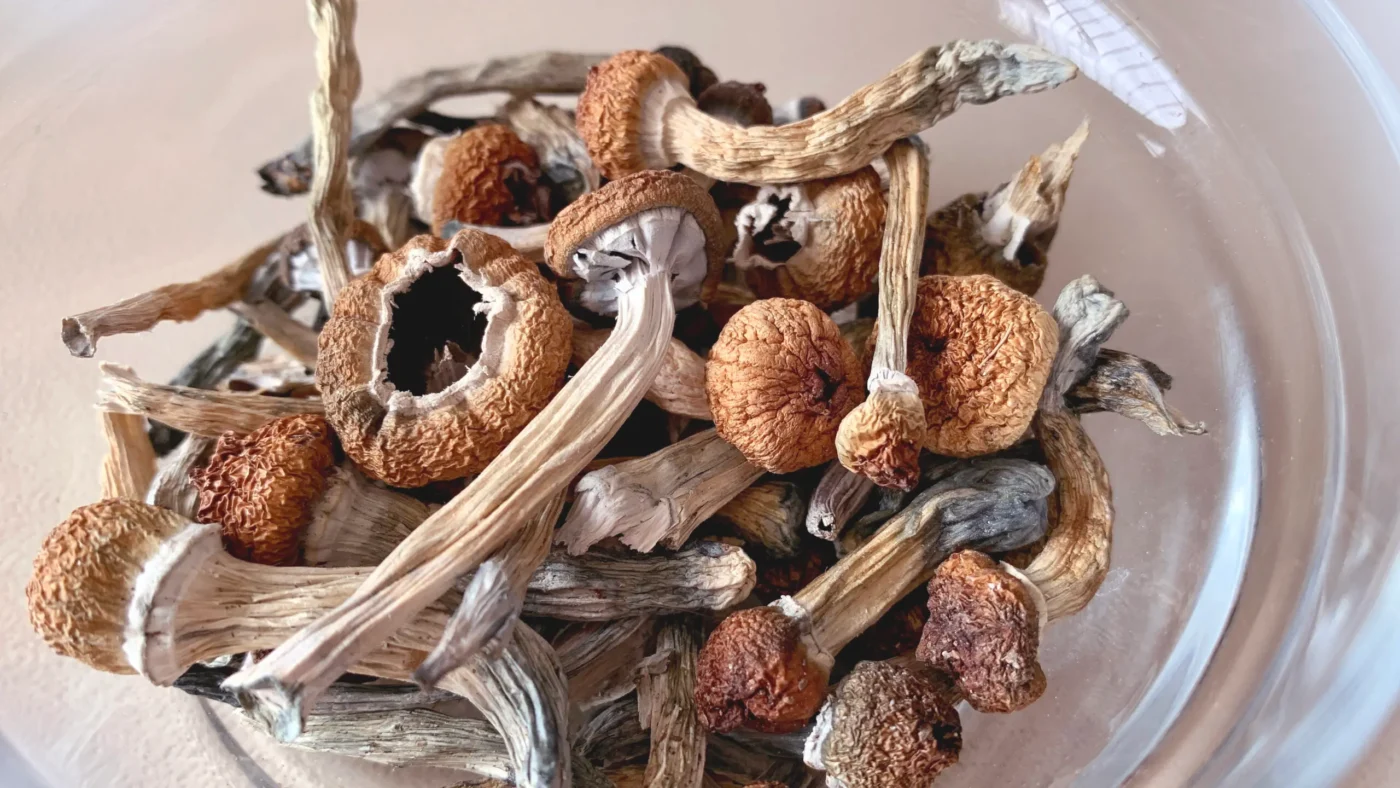
Magic mushrooms have attracted increasing public attention in London, particularly as discussions about psychedelic research, mental health and drug policy continue to develop. Commonly known as psychedelic mushrooms or shrooms, these fungi contain naturally occurring compounds such as psilocybin and psilocin, which can affect perception, mood and consciousness.
Despite growing scientific interest, magic mushrooms remain controlled substances under UK drug legislation. Their unlawful possession, production and supply can have serious legal consequences, including imprisonment and financial penalties.
For London residents, students and people researching psychedelic substances, understanding the legal position is important. This article explores the classification of psilocybin, possession restrictions, the legal distinction between fresh and dried mushrooms, possible penalties and the position of scientific research.
Are Magic Mushrooms Legal in London?
No. Magic mushrooms containing psilocybin or psilocin are controlled under the Misuse of Drugs Act 1971.
Psilocybin and psilocin are associated with Class A drug controls. The UK Government includes magic mushrooms in its official list of Class A drugs.
The legislation applies throughout England, including London. There is no separate London exemption that makes recreational possession or supply of controlled magic mushrooms lawful.
For the legal background, consult the Misuse of Drugs Act 1971 and the GOV.UK guide to drug possession and dealing penalties.
Understanding Psilocybin and Psilocin
Psilocybin and psilocin are naturally occurring psychedelic compounds associated with certain mushroom species.
Psilocybin is converted into psilocin in the body. Psilocin interacts with serotonin receptors and can produce changes in perception, mood, thinking and the experience of time.
The effects can vary between individuals. Some people may experience anxiety, confusion, panic or other unwanted psychological reactions.
The legal distinction is important: the natural origin of a substance does not automatically exempt it from controlled-drug legislation.
Are Fresh and Dried Magic Mushrooms Treated Differently?
A common misunderstanding is that fresh magic mushrooms are legal while dried mushrooms are illegal. This is not an accurate description of the current UK legal framework.
Section 21 of the Drugs Act 2005 extended the relevant controls to fungi containing psilocin or an ester of psilocin, including fresh mushrooms.
The official explanatory notes to the Drugs Act 2005 explain how the legislation brought these fungi within Class A controls.
The House of Commons Science and Technology Committee report also discusses the legislative change and its implications.
Therefore, drying or changing the physical form of a mushroom does not automatically make it lawful.
Possession of Magic Mushrooms in London
Possession of controlled magic mushrooms without lawful authority can constitute an offence under Section 5 of the Misuse of Drugs Act 1971.
The law does not require a commercial transaction for a possession offence to arise. The circumstances and evidence surrounding an alleged offence are relevant to its investigation and prosecution.
According to GOV.UK’s official drug penalties guidance, the maximum penalty for possession of a Class A drug is:
- Up to seven years’ imprisonment.
- An unlimited fine.
- Both imprisonment and a fine.
These are statutory maximum penalties, not automatic sentences. Actual sentencing depends on the circumstances of the case and applicable sentencing guidelines.
Supplying or Sharing Magic Mushrooms
UK law also prohibits the unlawful supply of controlled drugs.
Supply is not limited to commercial sales. Depending on the circumstances, giving or sharing a controlled substance with another person can also constitute supply.
The maximum penalty for supplying or producing a Class A drug is life imprisonment, an unlimited fine, or both.
The UK Government’s drug penalties guidance provides an overview of the penalties associated with possession, supply and production.
Cultivation and Production: What Does UK Law Say?
The production of controlled drugs is regulated under the Misuse of Drugs Act 1971.
Activities involving the deliberate cultivation or production of fungi containing controlled substances may raise legal issues under this legislation. The circumstances and evidence are important when determining whether an offence has occurred.
Certain authorised scientific and other regulated activities may be permitted under the relevant licensing framework. However, these permissions should not be interpreted as general permission for recreational cultivation or production.
The Misuse of Drugs Regulations 2001 provide further information about the regulatory framework.
Magic Mushrooms and Scientific Research in London
London is an important location for psychedelic research, particularly through institutions investigating the potential applications of psilocybin in mental healthcare.
Imperial College London has an established Centre for Interventional Psychiatry and Psychedelic Research. Its researchers have investigated psilocybin’s effects on the brain and its potential applications in psychiatric research.
Readers can explore the university’s work through the Imperial College London Centre for Psychedelic Research.
The distinction between scientific research and recreational use is essential. Research involving controlled substances must satisfy the relevant legal, ethical and regulatory requirements.
The Health Research Authority has also published an informative discussion titled Researching Magic Mushrooms – When Ethics and Law Collide. Written by Dr Simon Kolstoe, a University of Portsmouth academic, it explores the ethical and legal challenges associated with research involving Class A substances.
The History of Magic Mushroom Legislation in the UK
The legal position of magic mushrooms changed significantly in July 2005.
Before the relevant legislative change, fresh mushrooms and prepared mushrooms were treated differently under the law. This created uncertainty surrounding the sale of fresh mushrooms.
Section 21 of the Drugs Act 2005 addressed this issue by bringing fungi containing psilocin or an ester of psilocin within the controlled-drug framework.
The historical development was covered by The Guardian in its article, Law Spells End for Mushrooming Trade, published on 18 July 2005.
This reporting provides historical context for the legal change, while the legislation itself remains the primary authority for determining the law.
Health Risks and Public Awareness
Understanding the law is only one aspect of public education. The potential health effects of psychedelic mushrooms are also important.
Psilocybin-containing mushrooms can produce changes in perception, emotional responses and thinking. Reactions may be unpredictable and can vary according to individual circumstances.
Potential concerns include:
- Anxiety and panic reactions.
- Confusion and disorientation.
- Changes in perception and judgement.
- Psychological distress.
- Increased vulnerability for some people with existing mental health difficulties.
- Accidental poisoning from incorrectly identified wild mushrooms.
Wild mushroom identification presents an additional danger. Some poisonous species can resemble other mushrooms, and accidental consumption can cause severe illness.
Anyone experiencing suspected mushroom poisoning or a serious adverse reaction should seek urgent medical assistance.
Does London Have Different Magic Mushroom Laws from Other UK Cities?
No. London does not have a separate recreational magic mushroom legal framework.
The Misuse of Drugs Act 1971 provides the main controlled-drug framework across England, Wales and Scotland. Consequently, the central rules concerning psilocybin-containing mushrooms are not unique to London.
Similar legal considerations apply in other major UK cities, including Birmingham, Manchester, Bristol, Leeds, Liverpool and Newcastle.
Local policing arrangements may differ, but the underlying drug classification is established through national legislation.
What Should London Residents Know About Psilocybin Laws?
Anyone researching magic mushrooms in London should understand these important points:
- Psilocybin and psilocin are subject to Class A drug controls.
- Relevant fungi are covered by UK controlled-drug legislation.
- Fresh and dried forms are not automatically treated differently for legality.
- Unlawful possession can result in imprisonment and an unlimited fine.
- Supply and production offences carry more serious maximum penalties.
- Scientific research requires the appropriate legal authorisations.
- Marketing descriptions should not be relied upon as evidence of legal status.
People facing a drug-related investigation or criminal allegation should seek advice from a qualified solicitor.
Frequently Asked Questions
Are magic mushrooms illegal in London?
Yes. Magic mushrooms containing controlled substances such as psilocybin or psilocin are covered by UK drug legislation. Unauthorised possession, production and supply can constitute criminal offences.
Are fresh magic mushrooms legal in the UK?
There is no general exemption for fresh magic mushrooms. Section 21 of the Drugs Act 2005 extended the relevant controls to fungi containing psilocin or an ester of psilocin.
What class of drug are magic mushrooms in the UK?
Magic mushrooms containing controlled compounds are subject to Class A controls under the Misuse of Drugs Act 1971.
What is the maximum penalty for possessing magic mushrooms?
The maximum penalty for possession of a Class A controlled drug is seven years’ imprisonment, an unlimited fine, or both.
Can universities in London research psilocybin?
Research may be conducted where the relevant legal permissions, licences and ethical requirements have been satisfied. Imperial College London is one institution with an established psychedelic research programme.
Is psilocybin research the same as legal recreational use?
No. Scientific research takes place within controlled legal and ethical frameworks. It does not create a general exemption for recreational possession or supply.
Conclusion
Magic mushrooms remain controlled substances in London and under the wider UK legal framework. Psilocybin and psilocin are subject to Class A controls, and the relevant legislation covers fungi in fresh and prepared forms.
Understanding the differences between possession, supply and production is important because each can carry different legal consequences.
At the same time, academic institutions such as Imperial College London continue to investigate psychedelic compounds in carefully regulated scientific settings. These developments demonstrate why it is important to distinguish scientific research from recreational access.
For reliable information, London residents should consult official legislation, government guidance, university research and qualified legal professionals.
