
Uncategorized
Magic Mushrooms in Newcastle: Understanding UK Psilocybin Laws, Possession and Legal Restrictions
Nov
Introduction
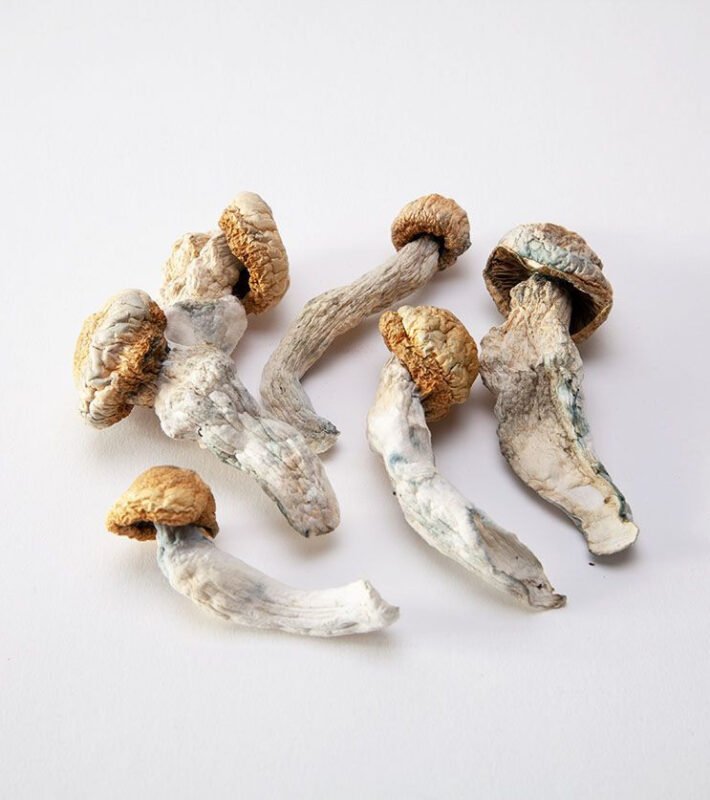
Magic mushrooms are a subject of growing public interest because of their psychedelic effects and their potential role in scientific research. However, anyone researching their legal status in Newcastle upon Tyne should understand that psilocybin mushrooms remain controlled substances under UK law.
Although Newcastle has its own police force and local public-safety policies, it does not have a separate legal framework for magic mushrooms. The same national drug legislation applies in Newcastle as in other parts of England.
This guide explains the legal status of psilocybin mushrooms, the rules on possession and supply, possible penalties, and the limited circumstances in which certain naturally growing fungi may fall within a statutory exception.
Are Magic Mushrooms Legal in Newcastle?
No. Magic mushrooms containing psilocin or an ester of psilocin are controlled as Class A drugs under the Misuse of Drugs Act 1971.
Section 21 of the Drugs Act 2005 amended the legislation to include fungi containing psilocin or an ester of psilocin within the Class A drug classification. This means that the law covers the mushrooms themselves, rather than only extracts or prepared products.
The classification applies throughout England, including Newcastle upon Tyne. It is therefore not legal to possess, supply or produce controlled psilocybin mushrooms without the necessary legal authority.
The legislation can be reviewed here:
What Does Class A Classification Mean?
UK controlled drugs are divided into three main classes: A, B and C. Class A includes substances that carry the highest category of criminal penalties.
Magic mushrooms are included in Class A because of the psilocin or related controlled compounds they contain. The government’s drug-penalties guidance specifically lists magic mushrooms among Class A substances.
This classification has important consequences for individuals in Newcastle. Possession, supply and production can lead to criminal prosecution, depending on the circumstances and evidence.
The GOV.UK drug penalties guide provides an overview of the legal consequences associated with controlled drugs.
The Law on Possessing Magic Mushrooms in Newcastle
Possession of controlled psilocybin mushrooms is an offence under Section 5 of the Misuse of Drugs Act 1971, unless a specific legal exception or authorisation applies.
The law is not limited to people who intend to sell or distribute mushrooms. Possession for personal use can also result in prosecution.
A person may face legal consequences if controlled mushrooms are found in their possession, whether they are fresh, dried or otherwise prepared. The legal classification does not create a general exemption for fresh mushrooms.
The circumstances of an individual case matter. Relevant considerations can include the evidence of possession, the quantity involved, the person’s previous record and any other factors considered by the court.
For further information, see the Crown Prosecution Service guidance on drug offences.
Are Fresh and Dried Magic Mushrooms Treated Differently?
A common misunderstanding is that fresh magic mushrooms are legal while dried mushrooms are illegal.
This is not a reliable interpretation of current UK law. The Drugs Act 2005 brought fungi containing psilocin or an ester of psilocin within the Class A classification. The legislation does not establish a general legal distinction between fresh and dried mushrooms.
Consequently, changing the physical condition of a mushroom does not automatically make it lawful to possess.
People researching this subject should consult the legislation itself rather than relying on claims found in online discussions or informal articles.
Supplying or Sharing Psilocybin Mushrooms
Supplying controlled drugs is treated more seriously than simple possession. Under Section 4 of the Misuse of Drugs Act 1971, supplying or offering to supply a controlled drug is an offence.
The law can also apply to situations involving sharing. A person does not necessarily have to receive money for conduct to be considered supply.
For example, giving a controlled substance to another person may raise legal issues even when no payment is involved. The specific facts and evidence determine how a case is assessed.
The Crown Prosecution Service explains the offences relating to supply, offering to supply and possession with intent to supply in its drug offences prosecution guidance.
Cultivation and Production: What Does UK Law Say?
Producing controlled psilocybin mushrooms without the appropriate legal authority can result in serious criminal consequences.
The Misuse of Drugs Act 1971 prohibits the unauthorised production of controlled drugs. The legal position is not changed simply because someone describes an activity as a personal experiment or hobby.
The Misuse of Drugs Regulations 2001 also impose strict controls on Schedule 1 substances. Certain research and other authorised activities may be permitted under the relevant licensing framework, but this is not a general exemption for members of the public.
The Misuse of Drugs Regulations 2001 explain the regulatory framework.
Naturally Growing Wild Mushrooms: Is There an Exception?
The legal position concerning naturally growing fungi is sometimes misunderstood.
Regulation 4A of the Misuse of Drugs Regulations 2001 provides a narrow exception relating to certain fungi containing psilocin or an ester of psilocin where they are growing uncultivated. The regulation sets out specific circumstances and purposes in which the exception applies.
It does not create a general right to pick, possess, keep or use wild magic mushrooms. Nor does it mean that all naturally occurring mushrooms are automatically outside drug-control legislation.
Anyone who needs to understand how this provision applies to a particular situation should read the exact wording of the regulation and obtain qualified legal advice.
The relevant provision is available in the Misuse of Drugs (Amendment) (No. 2) Regulations 2005.
What Are the Penalties for Magic Mushroom Offences?
Because psilocybin mushrooms are controlled as Class A drugs, offences can carry substantial maximum penalties.
The potential penalties include:
- Possession: Up to seven years’ imprisonment, an unlimited fine, or both.
- Supply or possession with intent to supply: Up to life imprisonment, an unlimited fine, or both.
- Production: Up to life imprisonment, an unlimited fine, or both.
These are maximum statutory penalties, not automatic sentences. The outcome of a case depends on the offence, the evidence, the circumstances and the applicable sentencing guidelines.
The GOV.UK drug penalties page and CPS drug offences guidance provide further information.
Can Psilocybin Be Used in Medical or Scientific Research?
Psilocybin has attracted scientific interest, particularly in research investigating its possible therapeutic applications. Universities and medical research institutions have examined its effects under controlled conditions.
However, scientific interest does not mean that psilocybin mushrooms are legally available for general medical use in the UK.
Psilocybin is listed as a Schedule 1 controlled drug under the Misuse of Drugs Regulations 2001. Research involving it is subject to strict legal and regulatory requirements, including relevant authorisations.
The UK Parliament has discussed the regulatory position and potential medical research in its briefing on access to psilocybin treatments.
Imperial College London’s Centre for Psychedelic Research is one example of a UK university research centre investigating psychedelic substances.
Does Newcastle Have Different Magic Mushroom Laws?
No. Newcastle upon Tyne does not have a separate local law that changes the national classification of psilocybin mushrooms.
The Misuse of Drugs Act 1971 and the relevant regulations apply across England. Local policing and enforcement priorities may vary, but the underlying legal restrictions remain the same.
This distinction is important for anyone searching online for phrases such as “Newcastle magic mushroom laws” or “psilocybin legality in Newcastle”. Local search terms help identify the geographical focus of an article, but they do not indicate that Newcastle has its own drug classification system.
Frequently Asked Questions
Are magic mushrooms illegal in Newcastle upon Tyne?
Yes. Mushrooms containing psilocin or an ester of psilocin are controlled as Class A drugs under UK law. The same classification applies in Newcastle.
Can someone possess magic mushrooms for personal use?
Unauthorised possession is an offence under the Misuse of Drugs Act 1971. Personal use does not create a general exemption.
Are fresh magic mushrooms legal in Newcastle?
No general exemption exists for fresh mushrooms. The law covers fungi containing psilocin or an ester of psilocin, subject to specific statutory exceptions.
Is sharing magic mushrooms with a friend legal?
Supplying a controlled drug can be an offence even when no money changes hands. The circumstances determine how the conduct is assessed.
Can researchers legally study psilocybin?
Research may be possible under the relevant legal authorisations, licences and research approvals. This does not make unauthorised possession or production lawful.
What is the maximum sentence for possessing magic mushrooms?
The maximum penalty for possession of a Class A drug is seven years’ imprisonment, an unlimited fine, or both. The maximum penalty for supply or production can be life imprisonment, an unlimited fine, or both.
Conclusion
Magic mushrooms containing psilocin remain controlled Class A substances under UK law, and these restrictions apply in Newcastle upon Tyne just as they do elsewhere in England.
Possession, supply and unauthorised production can carry serious legal consequences. Although there is a narrow statutory exception relating to certain naturally growing, uncultivated fungi, it should not be interpreted as general permission to pick or possess wild mushrooms.
Anyone seeking reliable information should consult official legislation, government guidance and qualified legal professionals rather than relying on informal claims about the legal status of psilocybin mushrooms.
