
Uncategorized
Best Place to buy Psilocybin Mushrooms in Glasgow: Scottish Drug Laws, Penalties and Legal Restrictions
Nov
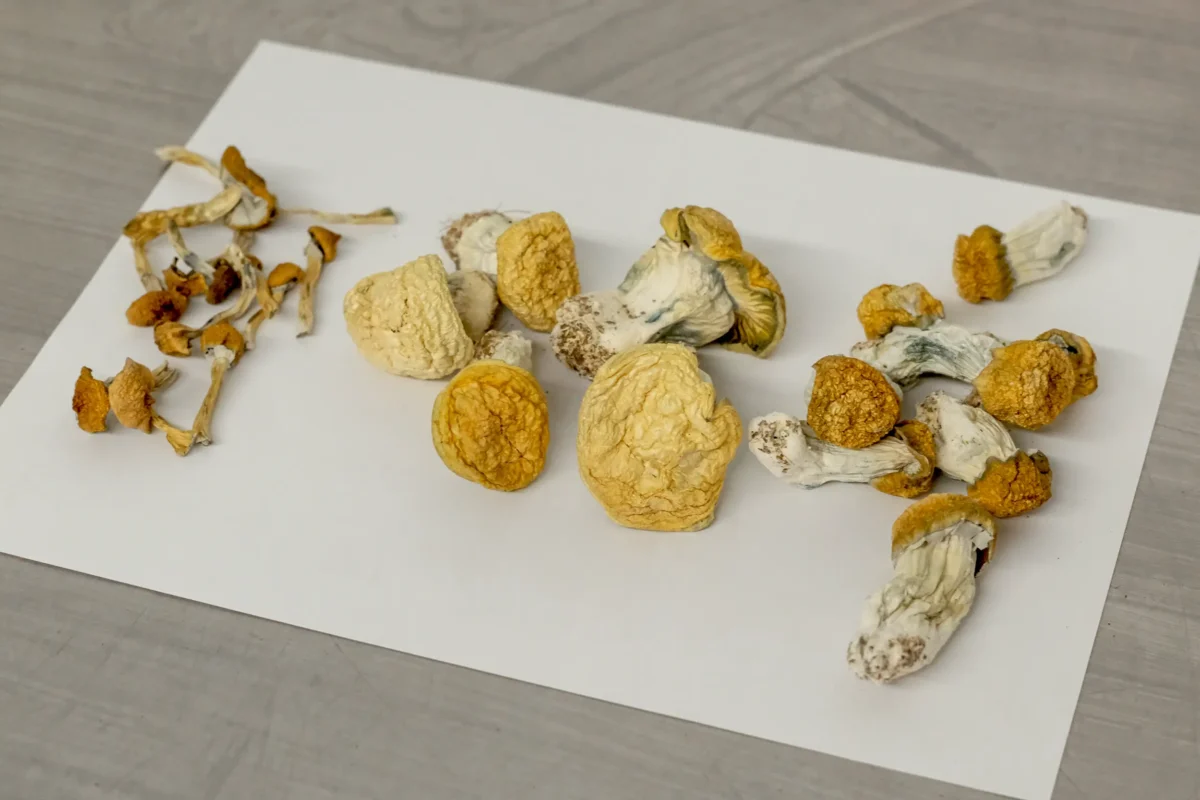
Magic mushrooms are often discussed in connection with psychedelic experiences, mental health research and changing public attitudes towards controlled substances. However, anyone researching their legal status in Glasgow should understand that psilocybin-containing mushrooms are controlled under UK drug legislation.
Although Scotland has its own legal system, the main legislation governing controlled drugs is the Misuse of Drugs Act 1971, which also applies in Scotland. This means that residents of Glasgow, Edinburgh, Aberdeen, Dundee and other Scottish cities are subject to the same Class A classification for psilocybin-containing mushrooms.
There are, however, specific legal provisions concerning naturally growing, uncultivated mushrooms that are important to understand. This guide explains the law, possible penalties, possession restrictions, cultivation concerns and the difference between recreational activity and authorised scientific research.
1. Are Psilocybin Mushrooms Legal in Glasgow?
No. Mushrooms containing psilocybin or psilocin are generally controlled as Class A drugs under the Misuse of Drugs Act 1971.
The classification applies in Glasgow and across Scotland. The Scottish Government also identifies magic mushrooms as Class A drugs in its official drug classification information.
According to GOV.UK’s drug penalties guidance, magic mushrooms are included in the Class A category alongside substances such as cocaine, heroin and LSD.
The main legislation is the Misuse of Drugs Act 1971, which establishes offences involving controlled substances, including unlawful possession, production and supply.
There is no general exemption allowing recreational possession simply because someone lives in Scotland or uses the mushrooms in a private setting.
2. Why Are Magic Mushrooms Classified as Class A Drugs?
Psilocybin is a naturally occurring psychedelic compound found in certain mushroom species. After entering the body, it is converted into psilocin, which interacts with serotonin receptors and can affect perception, mood, emotions and thinking.
Under UK law, psilocybin and psilocin are controlled substances. The legal position concerning the mushrooms themselves was clarified through Section 21 of the Drugs Act 2005.
This section added fungi containing psilocin or an ester of psilocin to the Class A drug category.
The change addressed uncertainty surrounding the legal treatment of fresh mushrooms. Previously, the distinction between prepared mushrooms and fresh, unprepared mushrooms had created difficulties in applying the legislation.
The Drugs Act 2005 explanatory notes explain the purpose of the amendment.
3. Are Fresh and Dried Magic Mushrooms Illegal in Scotland?
Yes. Both fresh and dried mushrooms containing psilocybin or psilocin are generally covered by the relevant Class A drug controls.
The legal change introduced in 2005 removed the previous distinction that had allowed uncertainty about certain fresh mushrooms.
Section 21 of the Drugs Act 2005 clarified that fungi containing psilocin or an ester of psilocin were controlled regardless of whether they were fresh or prepared.
The change came into force on 18 July 2005. A historical report by The Guardian documented the end of the commercial trade in fresh magic mushrooms following the legislative change.
It is therefore inaccurate to assume that fresh mushrooms are automatically legal while dried mushrooms are prohibited.
4. Is There a Special Legal Exception for Wild-Growing Magic Mushrooms in Scotland?
This is an important detail when discussing Scottish law.
The Misuse of Drugs Regulations 2001 contain a specific exception concerning certain fungi containing psilocin that are growing naturally and uncultivated.
Under Regulation 4A, the prohibition on possession does not apply in the same way to qualifying fungi while they are growing uncultivated. The regulations also describe limited circumstances in which picked fungi may be held for the purpose of delivering them to someone legally entitled to receive them or destroying them as soon as reasonably practicable.
This is not a general permission to pick wild magic mushrooms and keep them for personal use.
The distinction between naturally growing fungi and deliberately cultivated mushrooms is important. Cultivation, unlawful possession after picking, supply and other activities may create separate legal offences.
The relevant provisions can be read in the Misuse of Drugs Regulations 2001, as applicable to Scotland.
Anyone dealing with a specific situation involving wild-growing mushrooms should obtain qualified legal advice rather than relying on simplified online explanations.
5. What Are the Penalties for Possessing Magic Mushrooms in Glasgow?
Possession of controlled magic mushrooms outside the applicable legal exceptions can result in prosecution under the Misuse of Drugs Act 1971.
The maximum penalty for possession of a Class A drug is:
- Up to seven years’ imprisonment.
- An unlimited fine.
- Or both imprisonment and a fine.
The maximum penalty does not mean that every case receives the same sentence. The circumstances, evidence, quantity involved and relevant personal history can influence the outcome.
For information about the penalties, consult the official GOV.UK drug penalties guide.
Scotland has its own courts and sentencing framework, so anyone facing an actual charge should obtain advice from a Scottish criminal defence solicitor.
6. What Does Scottish Law Say About Supplying Magic Mushrooms?
Supplying controlled magic mushrooms without the appropriate legal authority is a serious offence.
Supply can involve selling, distributing or sharing controlled substances. The absence of a commercial payment does not automatically make an activity lawful.
Possession with intent to supply is also an offence under the Misuse of Drugs Act 1971.
For Class A drugs, the maximum penalty for supply is life imprisonment, an unlimited fine, or both.
The relevant legislation is available through the Misuse of Drugs Act 1971, while the GOV.UK penalties guidance provides an accessible overview of the maximum penalties.
7. Is Cultivating Psilocybin Mushrooms Legal in Glasgow?
Unauthorised cultivation of psilocybin-containing mushrooms can create serious legal consequences.
The Misuse of Drugs Act 1971 prohibits the unlawful production of controlled drugs. Because fungi containing psilocin are controlled, deliberately cultivating them may amount to production of a Class A drug.
This is different from the narrow legal provisions concerning fungi growing naturally and uncultivated.
Private property does not automatically provide an exemption from controlled-drug legislation. Anyone considering a specific legal issue involving fungi, spores, cultivation or possession should seek advice from a qualified Scottish solicitor.
The maximum penalty for production of a Class A drug is life imprisonment, an unlimited fine, or both.
8. Can Scottish Universities Legally Research Psilocybin?
Yes. Scientific research involving controlled substances can take place under appropriate legal permissions and regulatory safeguards.
Research institutions investigate psilocybin to better understand its effects on the brain, perception and mental health. Some studies examine its possible therapeutic applications in areas such as depression.
For example, Imperial College London’s Centre for Psychedelic Research conducts research into psychedelic substances and their potential effects.
The Health Research Authority also explains how research involving magic mushrooms raises questions about legal controls, research ethics and participant protection.
Research involving controlled drugs requires the appropriate permissions and safeguards. The existence of university research does not mean that recreational possession or supply is permitted.
9. What Are the Potential Health Risks of Psilocybin Mushrooms?
The legal position is only one part of the discussion. Psilocybin can also produce unpredictable psychological and physical effects.
Possible effects and risks include:
- Changes in perception: Colours, sounds, time and surroundings may appear different.
- Anxiety and panic: Some individuals experience intense fear or psychological distress.
- Confusion: Changes in thinking may affect judgement and awareness.
- Mental health concerns: Psychedelic experiences may be particularly risky for people with certain psychiatric vulnerabilities.
- Accidental poisoning: Wild mushrooms can resemble poisonous species, making incorrect identification dangerous.
The Scottish organisation CREW provides educational information about magic mushrooms, their legal classification and potential health risks.
Scientific investigations into possible therapeutic applications should not be interpreted as evidence that unsupervised use is safe or medically effective.
Anyone experiencing a serious reaction or suspected mushroom poisoning should seek urgent medical assistance.
10. Frequently Asked Questions About Psilocybin Mushrooms in Glasgow
Are magic mushrooms illegal in Glasgow?
Yes. Mushrooms containing psilocybin or psilocin are generally controlled as Class A drugs under the Misuse of Drugs Act 1971.
Does Scotland have different magic mushroom laws from England?
The main controlled-drug classification is established by UK-wide legislation. Scotland has its own legal system, but psilocybin-containing mushrooms remain Class A drugs there too.
Are fresh magic mushrooms illegal in Scotland?
Fresh mushrooms containing controlled substances are generally covered by the relevant Class A controls, just like dried mushrooms.
Can someone pick wild magic mushrooms in Scotland?
The law contains a specific exception concerning qualifying fungi growing naturally and uncultivated, with limited provisions for holding picked fungi for delivery to an authorised person or destruction. This is not a general permission to pick and keep them for personal use.
What is the maximum penalty for possessing magic mushrooms?
The maximum penalty for possession of a Class A drug is seven years’ imprisonment, an unlimited fine, or both.
Can someone legally grow magic mushrooms at home in Glasgow?
Unauthorised cultivation of fungi containing controlled substances can amount to production of a Class A drug.
Can someone legally sell magic mushrooms in Scotland?
Unauthorised supply of controlled magic mushrooms is illegal and can carry a maximum penalty of life imprisonment, an unlimited fine, or both.
Are universities allowed to study psilocybin?
Yes. Authorised research can take place under applicable legal permissions, regulatory oversight and ethical safeguards.
Conclusion
Psilocybin-containing mushrooms remain controlled Class A substances in Glasgow and throughout Scotland. The Misuse of Drugs Act 1971 and the Drugs Act 2005 establish the central legal framework governing their classification and restrictions.
One important detail in Scotland-related discussions is the specific exception for certain fungi growing naturally and uncultivated under the Misuse of Drugs Regulations 2001. This provision should not be confused with general permission to collect, keep, cultivate or distribute magic mushrooms.
Possession, supply and production outside the applicable legal exceptions can result in serious criminal consequences. Meanwhile, authorised scientific research continues to investigate psilocybin and its possible effects on mental health.
Understanding the difference between controlled-drug offences, narrow legal exceptions and authorised research is essential for anyone researching psilocybin mushroom laws in Glasgow.
