
Durban Poison Cannabis Strain: Origins, Aroma, Reported Effects and Safety Guide
Durban Poison is a well-known cannabis variety associated with Durban, South Africa. It is commonly classified as a sativa and is frequently described in cannabis references as having a sweet, earthy, pine-like, and herbal aroma.
Unlike many modern hybrid varieties, Durban Poison is commonly presented as a traditional South African cultivar with a long history in cannabis breeding. Consumer descriptions often mention energetic, uplifting, and focused sensations, although individual responses can vary considerably.
This educational guide explores the reported origins, appearance, aroma, effects, THC and CBD variability, terpene profile, potential health risks, and legal considerations associated with Durban Poison.
What Is the Durban Poison Cannabis Strain?
Durban Poison is generally described as a sativa cannabis variety originating from the South African city of Durban. It is often associated with traditional South African cannabis genetics and is commonly described as a landrace-derived cultivar.
A landrace is a locally adapted population of a plant that has developed through long-term cultivation and environmental selection. The term does not necessarily mean that every modern product carrying a landrace name has an unchanged or genetically verified ancestry.
Durban Poison has been used in cannabis breeding and is recognised in modern strain references. However, products sold under this name may differ in genetics, growing conditions, and chemical composition.
The name alone cannot establish a product’s authenticity, cannabinoid concentration, or genetic background.
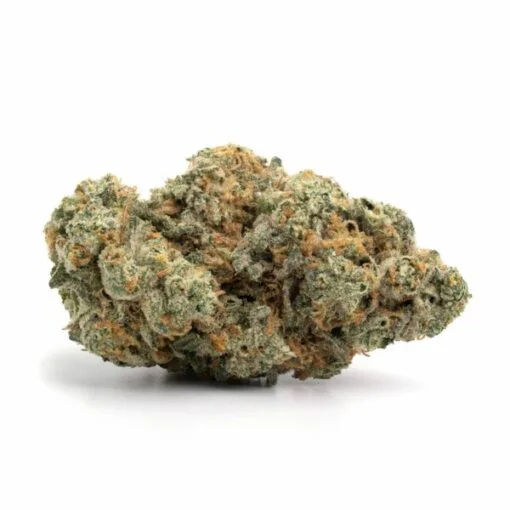
Durban Poison Appearance
Durban Poison is commonly described as having a sativa-type plant structure, with relatively narrow leaves and flowers that may range from green to darker green shades.
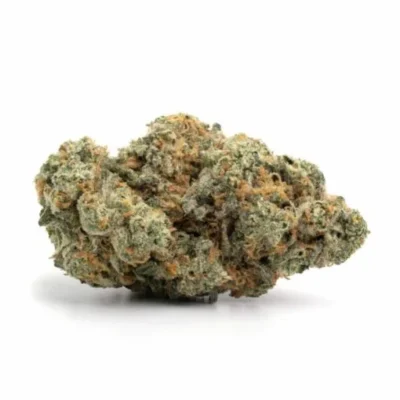
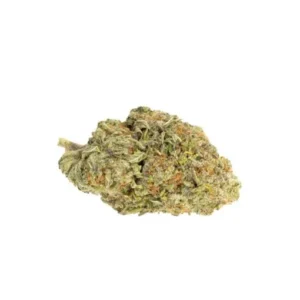
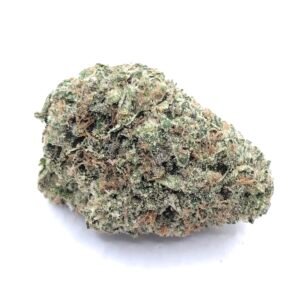
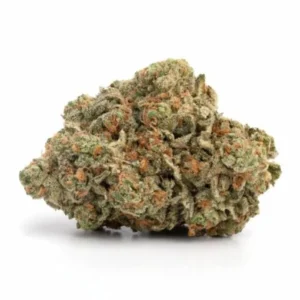
Cannabis flower descriptions often mention visible trichomes and orange or amber-coloured pistils. These features are not unique to Durban Poison and can occur across many cannabis varieties.
Appearance depends on genetics, maturity, cultivation conditions, drying, and storage. Photographs cannot reliably confirm the strain’s identity or determine its THC and CBD concentrations.
Durban Poison Aroma and Flavour Profile
Durban Poison is frequently associated with sweet, earthy, pine-like, and herbal aromas. Some strain descriptions also mention citrus, spice, sage, or anise-like notes.
The perceived aroma varies between samples. Cannabis produces volatile compounds known as terpenes, which contribute to its distinctive smells. Growing conditions and post-harvest handling can also influence the final aroma.
A familiar scent does not confirm the identity of a cannabis sample or demonstrate a specific medical effect.
Reported Effects of Durban Poison
Consumer strain references commonly describe Durban Poison as energetic, uplifting, and associated with increased feelings of focus. Some people report feeling more alert or experiencing changes in mood and sensory perception.
These descriptions are based largely on consumer reports rather than controlled clinical evidence. Cannabis effects vary according to THC concentration, individual sensitivity, previous exposure, the amount consumed, and the method of use.
Possible short-term effects
THC-containing cannabis may affect:
- Attention, concentration, and short-term memory.
- Coordination, judgement, and reaction time.
- Perception of time and surroundings.
- Mood and emotional responses.
- Heart rate and blood pressure.
Although Durban Poison is commonly described as energising, it can still cause anxiety, panic, dizziness, confusion, or paranoia. People who are sensitive to THC may experience unwanted effects even when a variety is described as uplifting.
The sativa classification does not guarantee a particular psychological response.
Durban Poison THC and CBD Content
Durban Poison is often described as a relatively THC-rich cannabis variety. Leafly lists a reference THC figure of approximately 19% for its Durban Poison profile. This is a reported figure, not a guaranteed concentration for every product carrying the name.
Cannabinoid levels can differ between plants, producers, and batches. Growing conditions, genetics, processing, and storage may all contribute to variation.
THC is the primary intoxicating cannabinoid in cannabis. CBD is another cannabinoid that does not produce the same intoxicating effects as THC, although CBD products can still cause side effects and interact with certain medicines.
The strain name cannot establish the exact THC or CBD content of an individual sample. Where legally available, laboratory testing provides more reliable information about measured cannabinoid concentrations.
Terpenes Associated With Durban Poison
Terpenes are aromatic compounds found in cannabis and many other plants. Leafly identifies terpinolene, myrcene, and ocimene among the terpenes associated with its Durban Poison profile.
The exact terpene composition of an individual sample may differ.
Terpinolene
Terpinolene is associated with fresh, herbal, and sometimes floral or pine-like aromas. It is also found in various other plants.
Myrcene
Myrcene is commonly associated with earthy and herbal aromas. Its concentration varies between plants and products.
Ocimene
Ocimene is an aromatic compound associated with sweet, herbal, and fresh notes. Its presence and concentration in a specific sample require chemical analysis.
Terpenes contribute to aroma, and researchers continue to investigate their biological properties. However, a reported terpene profile does not prove that Durban Poison treats a medical condition or guarantees a particular effect.
Potential Health Risks and Side Effects
Durban Poison’s reputation for energetic effects does not mean it is free from health risks. Cannabis containing THC can affect the brain and body, and stronger THC exposure may increase the likelihood of adverse reactions.
Potential risks include:
- Anxiety, panic, or paranoia.
- Impaired attention, memory, and coordination.
- Dizziness and confusion.
- Increased heart rate.
- Cannabis use disorder or difficulty controlling use.
- Respiratory harm associated with smoking cannabis.
- Mental health concerns, including an association between cannabis use and psychosis risk.
The likelihood of adverse effects can depend on THC concentration, frequency of use, age at first use, individual vulnerability, and the use of other substances.
The US Centers for Disease Control and Prevention provides general information about cannabis-related health effects and mental health risks. These risks apply to cannabis generally and are not unique to Durban Poison.
Is Durban Poison a Medical Treatment?
A cannabis strain’s name, reputation, or reported effects does not establish that it can treat a medical condition.
Some consumer reviews associate Durban Poison with experiences involving mood, stress, or concentration. These reports are anecdotal and cannot demonstrate that the variety is an effective or safe treatment for anxiety, depression, attention difficulties, or any other condition.
Certain regulated cannabis-based medicines may be prescribed for specific circumstances under applicable medical and legal requirements. A qualified healthcare professional can assess the clinical evidence, potential benefits, adverse effects, and interactions with other medicines.
Anyone experiencing persistent mood changes, anxiety, sleep difficulties, or concentration problems should seek appropriate medical advice rather than relying on a strain description.
Durban Poison Cannabis and UK Law
In the United Kingdom, cannabis is generally controlled as a Class B drug under the Misuse of Drugs Act 1971. Unauthorized possession, production, supply, importation, and exportation are prohibited, subject to applicable legal exceptions.
Some cannabis-based medicinal products may be prescribed lawfully under specific requirements. This limited medical pathway does not make recreational cannabis generally legal.
The legal status of a cannabis-related product depends on its composition, classification, and circumstances. Anyone uncertain about a particular product should consult current official UK government guidance or obtain independent legal advice.
Cannabis Safety Considerations
Cannabis can impair judgement, attention, coordination, and reaction time. Do not drive or operate machinery while impaired, and avoid combining cannabis with alcohol or other intoxicating substances.
Cannabis should be avoided during pregnancy and breastfeeding. People with cardiovascular conditions, a history of psychosis or other significant mental health concerns, or medicines that may interact with cannabinoids should discuss relevant risks with a healthcare professional.
Keep cannabis products securely away from children and pets. If someone experiences severe confusion, chest pain, breathing difficulties, or another serious reaction after cannabis exposure, seek urgent medical assistance.
Frequently Asked Questions About Durban Poison
What is the Durban Poison cannabis strain?
Durban Poison is a cannabis variety commonly classified as sativa and associated with Durban, South Africa. It is often described as having sweet, earthy, pine-like, and herbal aromas.
Is Durban Poison a landrace strain?
It is commonly described as a South African landrace-derived cultivar. However, modern versions may have undergone selection or breeding, so the name alone cannot establish a particular sample’s genetic history.
What does Durban Poison smell like?
Common descriptions include sweet, earthy, pine-like, herbal, and spicy notes. Some references also mention sage or anise-like aromas.
What effects are associated with Durban Poison?
Consumer reports commonly mention energetic, uplifting, and focused sensations. However, effects vary, and THC-containing cannabis can also cause anxiety, impaired coordination, or paranoia.
How much THC does Durban Poison contain?
Leafly lists a reference THC figure of approximately 19%, but the concentration varies by sample and product. Laboratory testing is needed to establish the measured amount in an individual sample.
Does Durban Poison contain CBD?
CBD levels may vary between samples and are often reported as low in this variety. The name alone cannot establish the amount present in a particular product.
Is Durban Poison legal in the UK?
Recreational cannabis is generally illegal in the UK. Certain cannabis-based medicinal products may be prescribed under specific legal requirements.
Conclusion
Durban Poison is a recognised cannabis variety associated with South African origins and commonly classified as sativa. Consumer descriptions frequently mention sweet, earthy, pine-li
| Amount | 14G, 28G, 56G |
|---|
Be the first to review “Durban Poison weed UK”
Related products
PREMIUM FLOWERS
PREMIUM FLOWERS
PREMIUM FLOWERS
PREMIUM FLOWERS
PREMIUM FLOWERS
PREMIUM FLOWERS
PREMIUM FLOWERS
PREMIUM FLOWERS
Reviews
There are no reviews yet.