
Uncategorized
Looking at the potential for psilocybin as a treatment for post-traumatic stress disorder in our society today especially the United Kingdom
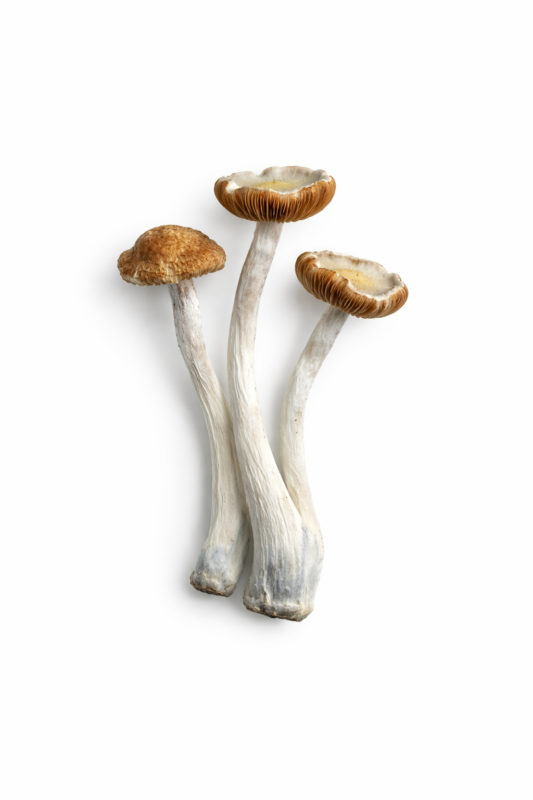
Oct
Introduction and historical perspective
Post-traumatic stress disorder (PTSD) is a psychiatric condition in which an individual develops several physiological and behavioral changes after exposure to a traumatic event. Common diagnostic criteria for PTSD include intrusive memories, hyperreactivity to and avoidance of trauma-related stimuli, cognitive impairments, negative affect, and difficulty concentrating (American Psychiatric Association, 2013). Additionally, many physiological alterations accompany PTSD, including sleep
Behavioral effects of psilocybin in preclinical studies
Novel treatments for PTSD are being explored regularly, and most are in preclinical, nonhuman animal trials (Table 1). Several models of PTSD have been developed in nonhuman animals, and most show evidence of being good parallels for the human condition by generating both behavioral and physiological disturbances in the animals following exposure to an analog trauma. Important markers for PTSD such as anxiety-like behavior, avoidance behavior, hyperarousal, glucocorticoid receptor
Behavioral effects of psilocybin in clinical studies
Studies involving psilocybin in human populations involve significantly more regulation and ethical consideration than animal models, which can make the research in this area more complex and challenging for researchers (Table 2). For example, finding and vetting human volunteers for studies is difficult and time consuming, as is the actual experimentation and follow-up. In psychedelic research, the difficulties associated with human studies are compounded, as finding an analogous control
Mechanisms of action
Following administration, psilocybin is metabolized to psilocin, which is considered the main psychoactive component of the drug (Fig. 1). Although psilocin can act on a variety of receptors, it is thought to exert its psychoactive and therapeutic effects by acting as a 5-hydroxytryptamine (HT)2A agonist in layer 5 cells of the prefrontal cortex (PFC) (Vollenweider and Kometer, 2010; Geiger et al, 2018; Vollenweider and Preller, 2020; Glatfelter et al, 2022; Kwan et al, 2022). Preclinical work
Current challenges
Several challenges exist when considering the use of psilocybin as a treatment for PTSD. They are important to address, both to recognize current limitations in existing work and to serve as a guide for future research.
Perspectives on future directions
Given the limited number of preclinical and clinical studies involving psilocybin, it is important to replicate the existing studies to validate observed effects. There are also too few studies comparing psilocybin’s effects between males and females, different doses of psilocybin, and different treatment regimens. Further research on a wider variety of subject populations must also be considered for the findings to be as generalizable as possible.
Post-traumatic stress disorder (PTSD) is a debilitating psychiatric condition that develops following exposure to a traumatic event. Individuals with this condition experience numerous physiological and behavioral alterations, including intrusive memories, avoidance of trauma-related stimuli, heightened anxiety, hypervigilance, impaired cognition, elevated resting heart rate and blood pressure, and altered neuroendocrine function, to name a few. In most patients, currently available pharmacological and psychological treatments are insufficient to alleviate the array of symptoms associated with the disorder. Thus, novel treatment options that can more effectively target the core etiology of PTSD are desperately needed. Recent work demonstrating the psychoplastogenic effects of psychedelics has reinvigorated research to examine their therapeutic potential in psychiatric conditions. Psilocybin, a psychedelic found in the Psilocybe genus of mushrooms, has exhibited promising antidepressant and anxiolytic effects in preclinical and clinical studies. The purpose of this review is to summarize the existing research that has examined the behavioral effects of psilocybin and link it to potential efficacy in treating PTSD-related symptoms. The proposed mechanisms for psilocybin’s effects are then explored, as are the benefits and drawbacks for the agent’s therapeutic use. Finally, the challenges faced by investigators aiming to study psilocybin as a therapeutic aid in future studies are discussed in order to shed light on this budding area of research.
Another significant challenge related to the
Conclusions
PTSD is a unique condition; its symptoms are multifaceted, its etiology is complex and poorly understood, and it is resistant to most treatments. Research regarding the therapeutic potential of psychedelics has been revived in several fields, particularly psychiatry. Psychedelics historically have been used to improve mental flexibility, introspection, and positive emotions, and many of these uses underlie the impetus to determine the efficacy of psilocybin in a therapeutic setting. Therefore,
Conflict of interest
The authors declare no conflicts of interest.
Financial support
This work received no external funding.
Data availability
This review article contains no datasets generated or analyzed during the current study.
Author contributions
Wrote or contributed to the writing of the manuscript: Miller and Zoladz.
References (140)
- B.T. Anderson et al.Psilocybin-assisted group therapy for demoralized older long-term AIDS survivor men: an open-label safety and feasibility pilot studyEClinicalMedicine(2020)
- N.M. Barnes et al.International Union of Basic and Clinical Pharmacology. CX. Classification of receptors for 5-hydroxytryptamine; pharmacology and functionPharmacol Rev(2021)
- N.C. Bernardy et al.Pharmacological management of posttraumatic stress disorderCurr Opin Psychol(2017)
- K.H. Brohawn et al.The neural correlates of emotional memory in posttraumatic stress disorderBiol Psychiatry(2010)
- L.P. Cameron et al.5-HT2ARs mediate therapeutic behavioral effects of psychedelic tryptaminesACS Chem Neurosci(2023)
- R.L. Carhart-Harris et al.Psilocybin with psychological support for treatment-resistant depression: an open-label feasibility study
