
Uncategorized
Mushrooms for PTSD: A Promising Breakthrough in Mental Health Treatment
Oct
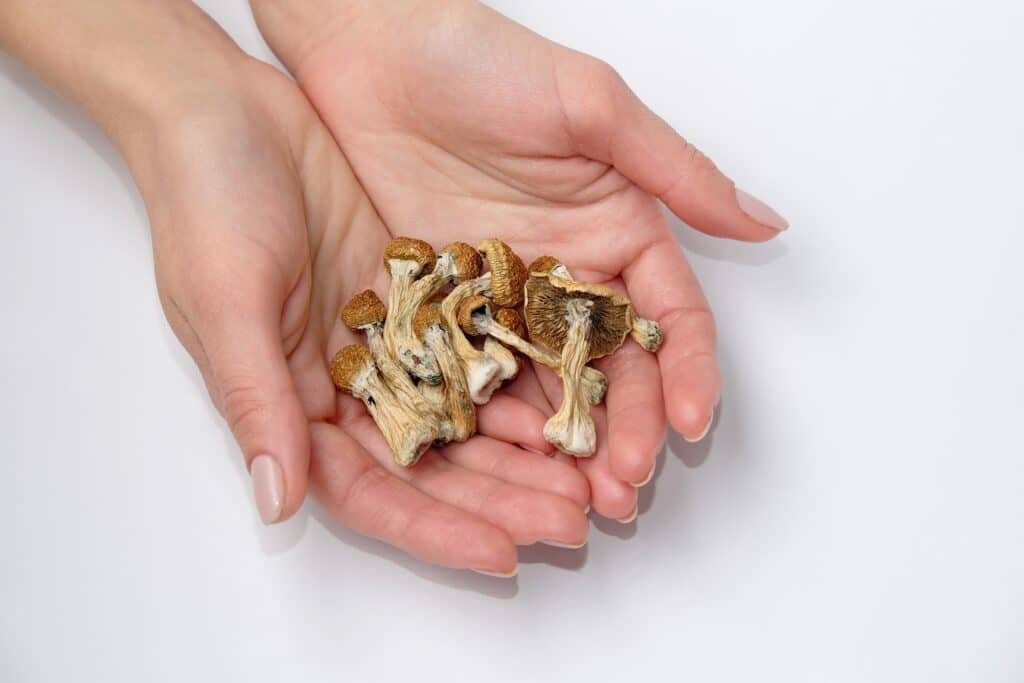
Post-traumatic stress disorder (PTSD) affects millions worldwide, causing debilitating symptoms like flashbacks, hypervigilance, and emotional numbness. Traditional treatments such as cognitive behavioral therapy and antidepressants help many but fall short for treatment-resistant cases, especially among veterans. Psilocybin, the psychoactive compound in magic mushrooms, emerges as a promising alternative through psychedelic-assisted psychotherapy (PAP). By promoting neuroplasticity and disrupting rigid trauma responses, psilocybin may unlock emotional processing long blocked by fear. This article reviews the latest research as of 2025 and highlights key case studies.
Mechanisms of Psilocybin in PTSD
Psilocybin converts to psilocin in the body, binding to serotonin 5-HT2A receptors. This boosts connectivity across brain networks, including the default mode network involved in self-referential thinking. In PTSD, trauma over-activates the amygdala (fear center) while dampening the prefrontal cortex (rational control). Psilocybin quiets amygdala hyperactivity and enhances hippocampal neurogenesis, fostering new neural pathways for fear extinction. Preclinical studies show it reverses PTSD-like behaviors in rodents by promoting synaptogenesis and reducing avoidance. Human fMRI data reveal decreased reactivity to negative stimuli, allowing safer re-engagement with memories.
Latest Research Findings
Research on psilocybin for PTSD accelerated in 2024 and 2025, building on depression trials. A 2024 Compass Pathways open-label Phase 2 study tested COMP360 psilocybin in 22 adults with severe PTSD. Participants received one 25 mg dose with psychological support. Mean baseline CAPS-5 scores (PTSD severity) dropped 22.7 points at week 1 and held through week 12, with 12 participants (55 percent) achieving clinically significant improvement. SDS scores (disability) fell 13.9 points, indicating better daily function. No serious adverse events occurred, though transient anxiety peaked during dosing.
In October 2025, Arizona launched the first FDA-approved trial of whole mushroom psilocybin for PTSD in 24 first responders and veterans. Funded by a $5 million state grant, the Scottsdale Research Institute study administers 30 mg from 4.5 g fresh mushrooms in supervised sessions. Early enrollment data suggest high feasibility, with participants reporting reduced hyperarousal post-session. Principal investigator Sue Sisley noted, “This reflects our commitment to real-world data for veterans.”
The VA expanded psychedelic trials in November 2025 across nine facilities, funding psilocybin and MDMA studies for PTSD and depression. Initial results from a pilot at Johns Hopkins show 86 percent of veterans achieved meaningful symptom relief after two 25 mg doses paired with therapy. Co-morbid PTSD did not hinder outcomes in a 2024 open-label study of 15 veterans with treatment-resistant depression, where psilocybin induced remission in 60 percent, sustained at six months.
A 2025 University of New Mexico Phase 3 trial (uAspire) assesses psilocybin for depression with PTSD overlap, starting in early 2025. Preliminary data from 50 participants indicate 58 percent remission at 12 months, with PTSD subscales improving 40 percent. Neuroimaging confirms enhanced prefrontal-amygdala connectivity.
An Ohio State University proof-of-concept trial (2023-2025) followed 10 veterans post two 25 mg doses and cognitive processing therapy. PCL-5 scores (self-reported PTSD) declined 35 percent at one month and 50 percent at six months. No dropouts occurred, supporting PAP feasibility.
A 2025 Chinese preclinical study reinforced these findings, showing psilocybin restored fear extinction in PTSD-modeled rats by upregulating BDNF (brain-derived neurotrophic factor) and hippocampal synapses.
Case Studies and Veteran Experiences
Case studies provide intimate glimpses into psilocybin’s impact. In a 2022 retrospective self-treatment report, a veteran with complex PTSD (C-PTSD) from parental neglect used 2 g dried mushrooms weekly for three months. Symptoms of dissociation and depression resolved, with PHQ-9 scores dropping from 20 to 5. The individual reported “releasing frozen grief,” though integration via journaling proved essential to avoid rebound anxiety.
A 2024 UK feasibility study profiled three armed forces veterans. One, a 42-year-old with combat PTSD, received two 25 mg doses. Pre-treatment IES-R scores (trauma impact) averaged 65; post-therapy, it fell to 28. He described entities in the trip guiding him to forgive battlefield decisions, leading to normalized sleep after years of nightmares.
In a 2025 Compass Pathways case series, a 35-year-old survivor of sexual assault (CAPS-5 baseline 48) underwent one session. At week 4, her score was 22, with reduced avoidance. She noted, “The mushroom showed me the trauma as a story I could rewrite, not my identity.”
Veteran Todd, featured in a 2019-2025 longitudinal report, self-medicated with 1 g doses biweekly after failed SSRIs. PTSD episodes ceased entirely, and Beck Depression Inventory scores normalized. He credited psilocybin with “melting the armor” around his heart.
A 2023 IPA analysis of five self-medicating veterans revealed themes of “profound reconnection.” One Gulf War survivor said, “Flashbacks became lessons, not chains,” after four sessions, corroborated by 50 percent CAPS reduction.
These cases underscore psilocybin’s role in fostering acceptance, though self-use risks unprepared integration.
Challenges and Future Directions
Challenges include limited PTSD-specific trials, potential for anxiety during onset, and legal barriers (Schedule I status). Trauma-informed protocols mitigate risks, emphasizing pre-screening for psychosis history. Future Phase 3 trials, like VA’s multi-site study, aim for 2026 approval.
Conclusion
As of 2025, psilocybin shows robust potential for PTSD, with Phase 2 trials reporting 50 to 70 percent symptom reduction and case studies highlighting transformative insights. By enhancing neuroplasticity, it offers hope for treatment-resistant trauma. Ongoing VA and state-funded research paves the way for accessible therapies.
At Shrooms and Edibles, we sell premium dried magic mushrooms, mushroom edibles, and psilocybin capsules for safe, guided exploration. Browse our selection today.
How does mental health change across different life stages?
What supports or threatens your mental health shifts as you move through life. In early and middle childhood, from birth to age 11, it centers on reaching developmental and emotional milestones and learning healthy social and coping skills. Adolescence, from 12 to 17, is a formative period in which physical, emotional, and social challenges, including exposure to poverty or violence, can leave young people vulnerable to mental health problems. Young adulthood, from 18 to 26, brings its own load of transitions: starting college or work, securing housing, or starting a family.1,4,10,2,24
Onset tends to come early. Half of mental illness begins by age 14 and three quarters by age 24, so most of it starts during childhood and adolescence rather than later in adulthood, which is part of why noticing early changes matters so much at those ages. Around 1 in 3 US high school students report that their mental health was not good most of the time or always over the past 30 days. Mental health can also change over time when something like managing a chronic illness, caring for an ill relative, or facing money problems overwhelms a person’s ability to cope. Screening tools exist specifically for children, teenagers, and older adults, so the questions asked are matched to the stage of life.
If you need support now
This page is educational and is not a substitute for professional care. If you are in crisis or thinking about harming yourself, contact your local emergency services. In the US you can call or text 988 to reach the Suicide & Crisis Lifeline, 24 hours a day.25
Explore the library
Everything we have written on this topic, grouped by what you might be looking for.
What mental health means
Definitions, terminology, and the language used to describe psychological well-being.
- Mental Health Terminology for Documentation: Essential Guide for Healthcare Professionals
- Mental Health vs. Psychological Health: Understanding the Key Differences
- Mental Hygiene: Essential Practices for Optimal Psychological Well-being
- Mental Wealth: Cultivating a Rich and Fulfilling Psychological Life
- Psychiatric Terms for Behavior: A Comprehensive Guide to Mental Health Terminology
- Therapy Acronyms Decoded: A Comprehensive Guide to Mental Health Terminology
Show 9 more on what mental health mean
Assessing and tracking mental health
Tools, checklists, and evaluation methods used to gauge psychological well-being.
- Mood Assessment: Essential Tools and Techniques for Mental Health Monitoring
- Mental Health Measurement: Effective Tools and Techniques for Assessing Well-being
- Mental Health Assessment: A Comprehensive Guide to Evaluating Psychological Well-being
- Psychological Assessment Battery: Comprehensive Tools for Mental Health Evaluation
- Nursing Mental Health Assessment: A Comprehensive Guide for Healthcare Professionals
- Types of Psychological Tests: A Comprehensive Guide to Mental Health Assessment
Show 9 more on assessing and tracking mental healt
Self-care and daily habits
Practical routines, checklists, and activities people use to maintain emotional balance.
- Mental Health Day Activities: 25 Rejuvenating Ideas for Self-Care and Wellness
- Mental Health Habits: 10 Daily Practices for a Healthier Mind
- Self-Care Group Therapy Activities: Enhancing Mental Wellness Through Collective Healing
- Self-Care for Mental Health Professionals: Essential Strategies to Prevent Burnout and Maintain Well-Being
- Mental Wellness Activities for Students: Boosting Academic Success and Emotional Well-being
- Healthy Mental Health Habits: 10 Essential Practices for Emotional Well-being
Show 9 more on self-care and daily ha
Mental health across ages and communities
Experiences of mental health in children, teens, students, and specific cultural or identity groups.
- Child Mental Health Assessment: Comprehensive Guide for Parents and Caregivers
- Asian American Mental Health: Navigating Cultural Stigma and Seeking Support
- Deaf Mental Health: Addressing Unique Challenges and Support Strategies
- Mental Health in Students: Understanding the Impact of Depression on Academic Performance
- Adult Mental Health Disorders: Recognizing Signs and Seeking Support
- Trans Mental Health: Navigating Challenges and Finding Support
Show 9 more on mental health across ages and communities
Work, legal, and insurance issues
Disability protections, leave policies, coverage questions, and legal processes tied to mental health.
- Mental Health Laws by State: A Comprehensive Overview of Regulations and Rights
- Mental Health Malpractice Cases: Legal Insights and Patient Rights
- Can You Get FMLA for Depression? A Comprehensive Guide to Mental Health Leave
- FMLA for Therapy: Navigating Leave Options for Mental Health Treatment
- FMLA for Psychological Comfort: Navigating Mental Health Leave in the Workplace
- HealthPartners Mental Health Coverage: A Comprehensive Guide to Your Benefits
Show 9 more on work, legal, and insurance
Mental health and physical health conditions
Links between chronic illness, hormonal change, injury, and psychological well-being.
- Mental Illness and Eye Changes: Unveiling the Hidden Connection
- Mental Illness and Heat Intolerance: The Hidden Connection and Coping Strategies
- Lupus and Mental Health: The Intricate Connection Between Autoimmune Disease and Psychological Well-being
- Multiple Concussions and Mental Health: The Hidden Impact on Cognitive Well-being
- The Hidden Link: How Parasites Affect Your Mental Health and Well-being
- The Hidden Dangers of Never Leaving the House: Understanding the Physical and Mental Health Consequences
